Buy greatpoland.eu ?
We are moving the project
greatpoland.eu .
Are you interested in purchasing the domain
greatpoland.eu ?
domain@kv-gmbh.de · 0541-91531010
Buy greatpoland.eu ?
What traditions, customs, and festivals are there in Hungary?
Hungary has a rich cultural heritage with many traditions, customs, and festivals. One of the most well-known traditions is the celebration of Easter, which includes painting eggs and the custom of sprinkling water on women as a sign of fertility. Another important festival is the Budapest Spring Festival, which features a wide range of cultural events including music, dance, and theater performances. The Hungarian National Day, celebrated on August 20th, is also a significant event, with fireworks, concerts, and other festivities taking place across the country. Additionally, traditional Hungarian folk music and dance are an integral part of the country's cultural identity, with many festivals and events dedicated to showcasing these art forms. **
What are the traditions and culture in Kosovo?
Kosovo has a rich cultural heritage influenced by its history and diverse population. The traditions in Kosovo are deeply rooted in its Albanian, Serbian, and Turkish heritage, and include music, dance, and cuisine. The country also has a strong tradition of storytelling, poetry, and folk art. Additionally, Kosovo is known for its religious diversity, with a mix of Muslim, Orthodox Christian, and Catholic influences contributing to its cultural landscape. Overall, the traditions and culture in Kosovo reflect the country's complex history and the resilience of its people. **


Similar search terms for Valpolicella-Superiore-Ripasso-Capitel
Top-Angebote
Products related to Valpolicella-Superiore-Ripasso-Capitel:
-
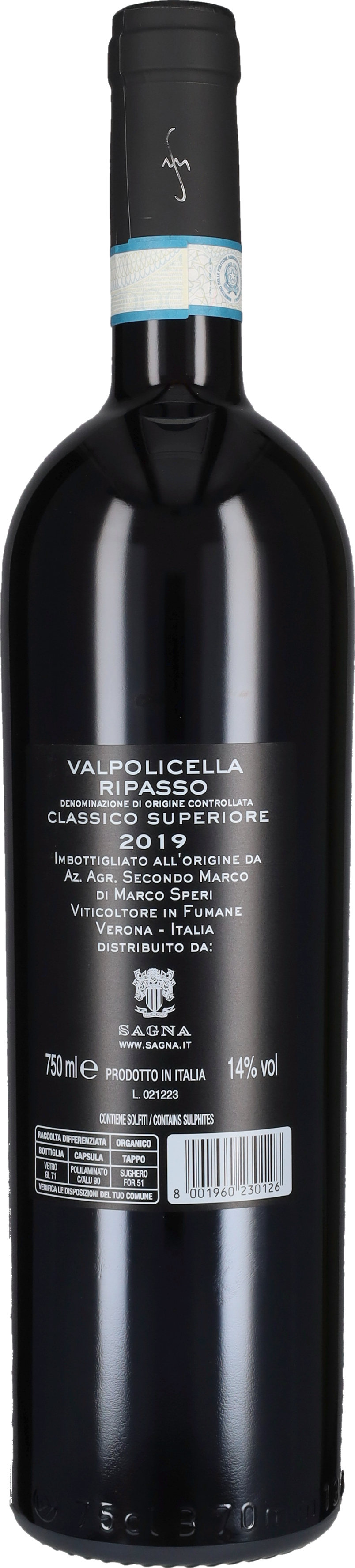
Valpolicella Superiore Classico Ripasso Secondo Marco 2019The Veneto red Valpolicella Superiore Classico Ripasso is a wine that comes from stubbornness, tenacity, and above all, humility that has always characterized the work in the vineyard and cellar of Marco Speri. A full-bodied and determined bottle, which thanks to the technique of "ripasso" on the skins of Amarone acquires a profile and a personality worthy of note, both on the nose and on the palate. Straightforward and warm, it is one of the flagships of the production of the Secondo Marco winery, a master in bringing to life a blend where the indigenous varieties of the territory are the undisputed protagonists. This Valpolicella Classico Superiore Ripasso is made by the Secondo Marco winery starting from a blend of Corvina – which leads the blend with 60% – Corvinone, Rondinella, Oseleta, Coratina, and Pipiona. These varieties grow in the plots located near Fumane di Valpolicella and are trained using the pergoletta system. The must ferments on the skins for two weeks, then undergoes a second fermentation "ripassing" on the pomace of Amarone. The following aging takes place for 12 months in 50 hectoliter barrels, and then continues maturation in smaller barrels with a capacity of only 7 hectoliters. At the end of this period, the wine is ready to be bottled. The Valpolicella Superiore Classico Ripasso made by the Secondo Marco winery reveals itself to the eye with a ruby red color, endowed with a beautiful deep hue. The olfactory spectrum develops on the nose telling a pleasant combination of fruity notes, while in the finish the nostrils are enveloped by more spicy touches. On the palate, it has excellent body, rich, with a harmonious sip that highlights a tannin finely integrated into the overall structure of the wine. A bottle that receives acclaim from the main national sector guides, confirming the excellent work done by Marco Speri.28,00 £*Shipping: 48,00 £Secure redirect to the provider
-
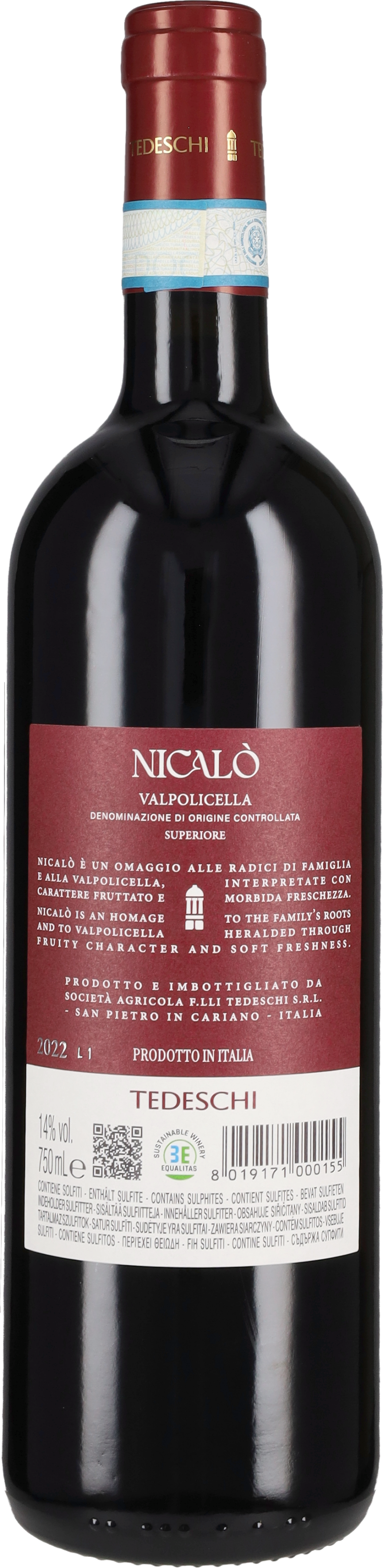
Valpolicella Superiore 'Capitel Nicalò' Tedeschi 2023The Valpolicella Superiore “Capitel Nicalò” is a classic red from Valpolicella, a traditional expression of the indigenous grapes from the Verona area and the splendid hilly territory of this historic Venetian denomination. A medium-bodied wine, elegant and aromatically intense, that presents aromas of ripe red fruit, berries, and delicate spicy notes. Harmonious and balanced, it has a pleasantly soft and fresh sip, making it particularly versatile for food pairings. The “Capitel Nicalò” Valpolicella Superiore comes from the vineyards of the Tedeschi estate, a historic reality of Valpolicella, with lands in the most vocated areas of the territory: San Pietro in Cariano, Fumane, Sant’Ambrogio, Mezzane di Sotto, and Pedemonte. The vineyards are cultivated on ancient morainic soils, with red earth rich in limestone and clay and a planting density of 5500 plants per hectare. After the harvest, the best bunches undergo a short drying process lasting about a month, allowing the grapes to lose about 10% of their weight, concentrating the aromas and sugars. The alcoholic fermentation takes place in steel with a maceration on the skins of about two weeks. The wine rests for 12/18 months in Slavonian oak barrels and concludes the aging period with 6 months in bottle. The wine “Capitel Nicalò” is a Valpolicella Superiore of particular intensity and aromatic richness. The slight drying of the grapes and the long aging in wood make it a wine with a complex and deep profile. In the glass, it presents itself with a ruby color. The bouquet expresses aromas of cherry, ripe red fruit, small berries, hints of vanilla, and spices. On the palate, it has a good structure with a fine tannic texture well integrated into the body and concludes with a fresh and persistent finish.13,00 £*Shipping: 48,00 £Secure redirect to the provider
-
Are there any special festivals and traditions in Schleswig-Holstein?
Yes, Schleswig-Holstein has several special festivals and traditions. One of the most famous is the Kiel Week, which is the largest sailing event in the world and includes a variety of cultural and entertainment activities. Another popular tradition is the Schleswig-Holstein Music Festival, which features classical music performances in various locations throughout the region. Additionally, there are traditional events like the Husum Harbour Days and the Wacken Open Air heavy metal music festival that attract visitors from all over the world. **
-
What traditions and customs are there in Turkish culture?
Turkish culture is rich in traditions and customs that have been passed down through generations. One important tradition is the Turkish tea culture, where people gather to socialize and enjoy strong, black tea served in small glasses. Another tradition is the Turkish bath, or hamam, which is a communal bathing experience that has been a part of Turkish culture for centuries. Additionally, Turkish cuisine is known for its diverse flavors and use of fresh ingredients, and sharing meals with family and friends is an important custom in Turkish culture. Finally, hospitality is a key aspect of Turkish culture, with guests being treated with great respect and generosity. **
-
How do you personally like Russian culture and its traditions?
As an AI, I do not have personal preferences or feelings. However, I can provide information on Russian culture and traditions. Russian culture is rich and diverse, with a long history of art, literature, music, and dance. Traditional Russian cuisine, such as borscht and blini, is also popular worldwide. Russian traditions, like Maslenitsa and Orthodox Christmas, are celebrated with great enthusiasm and bring people together in a spirit of unity and joy. Overall, Russian culture and traditions are fascinating and offer a unique glimpse into the country's heritage. **
-
How do you personally like the Russian culture and its traditions?
As an AI language model, I don't have personal experiences or preferences. However, I can tell you that Russian culture and traditions are rich and diverse, with a strong emphasis on literature, music, dance, and visual arts. The traditional Russian cuisine, such as borscht and blini, is also widely enjoyed. The Russian people are known for their hospitality and warmth, and their traditions, such as Maslenitsa and New Year celebrations, are vibrant and colorful. Overall, Russian culture and traditions are fascinating and have a lot to offer. **

What are electricity and high culture history?
Electricity history refers to the development and use of electricity as a form of energy, including the discovery of electricity, the invention of electric devices, and the establishment of electrical systems. High culture history, on the other hand, refers to the history of cultural and artistic achievements that are considered to be of high quality and sophistication, such as classical music, literature, fine arts, and theater. Both electricity and high culture history have evolved over time, shaping the way we live and appreciate the world around us. **
What is the difference between low culture and high culture in history?
Low culture refers to the cultural activities and products that are considered to be more common, popular, and easily accessible to the general public. This can include things like popular music, television shows, and mass-produced literature. On the other hand, high culture refers to the cultural activities and products that are considered to be more refined, sophisticated, and often associated with the elite or educated classes. This can include things like classical music, fine art, and literature that is considered to be more intellectually challenging. The distinction between low and high culture has been a source of debate and has evolved over time, but it generally reflects the social and class divisions within a society. **
Top-Angebote
Products related to Valpolicella-Superiore-Ripasso-Capitel:
-
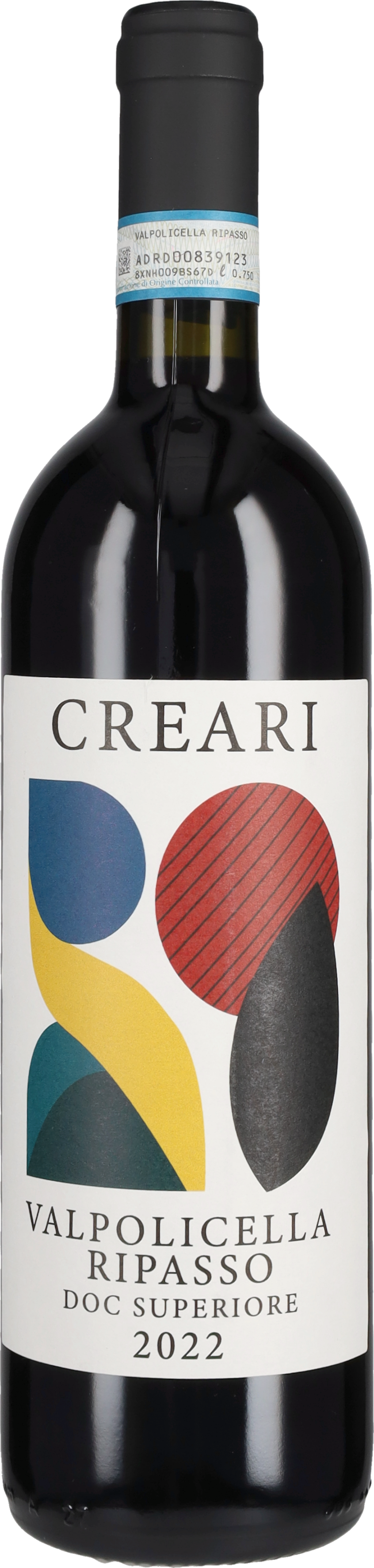
Valpolicella Superiore Ripasso 'Capitel San Rocco' Tedeschi 2022The ‘Capitel San Rocco’ Valpolicella Superiore Ripasso is a bottle that stands out for its round and enveloping taste, made by the renowned Veronese estate Tedeschi. The ‘Capitel’ brand was launched by the winery in the early 1970s to identify a cru or a particular selection, taking up the ancient symbol present in the Valpolicella countryside that served to pay homage to a saint, such as San Rocco, to protect the harvest. The logo on this label, first released with the 1976 vintage, depicts the shell, a symbol of San Rocco, which recalls the saint's pilgrimage to Santiago. Tedeschi Valpolicella Ripasso Superiore ‘Capitel San Rocco’ consists of an equivalent blend of Corvina Veronese, Corvinone, and Rondinella, to which 10% of the grape varieties Rossignola, Oseleta, Negrara, and Dindarella is added. The vines, with an average age of about 20 years, are trained in guyot on red soils of clay-limestone origin and of morainic origin. Following the harvest, which takes place between late September and early October, the bunches are subjected to the operations of destemming and crushing, followed by alcoholic fermentation at controlled temperature with 15 days of contact between the must and the skins. A portion of the mass is then placed in maceration for 8-10 days with the pomace of Amarone and Recioto according to the Ripasso technique, undergoing a slow refermentation. After 12-24 months of aging in Slavonian oak barrels, the wine is finally bottled. The Valpolicella Superiore Ripasso ‘Capitel San Rocco’ by Tedeschi is ruby red in color, clear and transparent. On the nose, notes of cherry, raspberry, and red currant are perceived, followed by hints of sweet spices. Structured, warm, and soft on the palate, supported by excellent freshness and smooth tannins.17,00 £*Shipping: 48,00 £Secure redirect to the provider
-
Valpolicella Superiore 'Capitel Nicalò' Tedeschi 2022The Valpolicella Superiore “Capitel Nicalò” is a classic red from Valpolicella, a traditional expression of the indigenous grapes from the Verona area and the splendid hilly territory of this historic Venetian denomination. A medium-bodied wine, elegant and aromatically intense, that presents aromas of ripe red fruit, berries, and delicate spicy notes. Harmonious and balanced, it has a pleasantly soft and fresh sip, making it particularly versatile for food pairings. The “Capitel Nicalò” Valpolicella Superiore comes from the vineyards of the Tedeschi estate, a historic reality of Valpolicella, with lands in the most vocated areas of the territory: San Pietro in Cariano, Fumane, Sant’Ambrogio, Mezzane di Sotto, and Pedemonte. The vineyards are cultivated on ancient morainic soils, with red earth rich in limestone and clay and a planting density of 5500 plants per hectare. After the harvest, the best bunches undergo a short drying process lasting about a month, allowing the grapes to lose about 10% of their weight, concentrating the aromas and sugars. The alcoholic fermentation takes place in steel with a maceration on the skins of about two weeks. The wine rests for 12/18 months in Slavonian oak barrels and concludes the aging period with 6 months in bottle. The wine “Capitel Nicalò” is a Valpolicella Superiore of particular intensity and aromatic richness. The slight drying of the grapes and the long aging in wood make it a wine with a complex and deep profile. In the glass, it presents itself with a ruby color. The bouquet expresses aromas of cherry, ripe red fruit, small berries, hints of vanilla, and spices. On the palate, it has a good structure with a fine tannic texture well integrated into the body and concludes with a fresh and persistent finish.14,00 £*Shipping: 48,00 £Secure redirect to the provider
-
Valpolicella Superiore Classico Ripasso Secondo Marco 2019The Veneto red Valpolicella Superiore Classico Ripasso is a wine that comes from stubbornness, tenacity, and above all, humility that has always characterized the work in the vineyard and cellar of Marco Speri. A full-bodied and determined bottle, which thanks to the technique of "ripasso" on the skins of Amarone acquires a profile and a personality worthy of note, both on the nose and on the palate. Straightforward and warm, it is one of the flagships of the production of the Secondo Marco winery, a master in bringing to life a blend where the indigenous varieties of the territory are the undisputed protagonists. This Valpolicella Classico Superiore Ripasso is made by the Secondo Marco winery starting from a blend of Corvina – which leads the blend with 60% – Corvinone, Rondinella, Oseleta, Coratina, and Pipiona. These varieties grow in the plots located near Fumane di Valpolicella and are trained using the pergoletta system. The must ferments on the skins for two weeks, then undergoes a second fermentation "ripassing" on the pomace of Amarone. The following aging takes place for 12 months in 50 hectoliter barrels, and then continues maturation in smaller barrels with a capacity of only 7 hectoliters. At the end of this period, the wine is ready to be bottled. The Valpolicella Superiore Classico Ripasso made by the Secondo Marco winery reveals itself to the eye with a ruby red color, endowed with a beautiful deep hue. The olfactory spectrum develops on the nose telling a pleasant combination of fruity notes, while in the finish the nostrils are enveloped by more spicy touches. On the palate, it has excellent body, rich, with a harmonious sip that highlights a tannin finely integrated into the overall structure of the wine. A bottle that receives acclaim from the main national sector guides, confirming the excellent work done by Marco Speri.28,00 £*Shipping: 48,00 £Secure redirect to the provider
-
What traditions, customs, and festivals are there in Hungary?
Hungary has a rich cultural heritage with many traditions, customs, and festivals. One of the most well-known traditions is the celebration of Easter, which includes painting eggs and the custom of sprinkling water on women as a sign of fertility. Another important festival is the Budapest Spring Festival, which features a wide range of cultural events including music, dance, and theater performances. The Hungarian National Day, celebrated on August 20th, is also a significant event, with fireworks, concerts, and other festivities taking place across the country. Additionally, traditional Hungarian folk music and dance are an integral part of the country's cultural identity, with many festivals and events dedicated to showcasing these art forms. **
-
What are the traditions and culture in Kosovo?
Kosovo has a rich cultural heritage influenced by its history and diverse population. The traditions in Kosovo are deeply rooted in its Albanian, Serbian, and Turkish heritage, and include music, dance, and cuisine. The country also has a strong tradition of storytelling, poetry, and folk art. Additionally, Kosovo is known for its religious diversity, with a mix of Muslim, Orthodox Christian, and Catholic influences contributing to its cultural landscape. Overall, the traditions and culture in Kosovo reflect the country's complex history and the resilience of its people. **
-
Are there any special festivals and traditions in Schleswig-Holstein?
Yes, Schleswig-Holstein has several special festivals and traditions. One of the most famous is the Kiel Week, which is the largest sailing event in the world and includes a variety of cultural and entertainment activities. Another popular tradition is the Schleswig-Holstein Music Festival, which features classical music performances in various locations throughout the region. Additionally, there are traditional events like the Husum Harbour Days and the Wacken Open Air heavy metal music festival that attract visitors from all over the world. **
-
What traditions and customs are there in Turkish culture?
Turkish culture is rich in traditions and customs that have been passed down through generations. One important tradition is the Turkish tea culture, where people gather to socialize and enjoy strong, black tea served in small glasses. Another tradition is the Turkish bath, or hamam, which is a communal bathing experience that has been a part of Turkish culture for centuries. Additionally, Turkish cuisine is known for its diverse flavors and use of fresh ingredients, and sharing meals with family and friends is an important custom in Turkish culture. Finally, hospitality is a key aspect of Turkish culture, with guests being treated with great respect and generosity. **
Similar search terms for Valpolicella-Superiore-Ripasso-Capitel
-
Valpolicella Superiore 'Capitel Nicalò' Tedeschi 2023The Valpolicella Superiore “Capitel Nicalò” is a classic red from Valpolicella, a traditional expression of the indigenous grapes from the Verona area and the splendid hilly territory of this historic Venetian denomination. A medium-bodied wine, elegant and aromatically intense, that presents aromas of ripe red fruit, berries, and delicate spicy notes. Harmonious and balanced, it has a pleasantly soft and fresh sip, making it particularly versatile for food pairings. The “Capitel Nicalò” Valpolicella Superiore comes from the vineyards of the Tedeschi estate, a historic reality of Valpolicella, with lands in the most vocated areas of the territory: San Pietro in Cariano, Fumane, Sant’Ambrogio, Mezzane di Sotto, and Pedemonte. The vineyards are cultivated on ancient morainic soils, with red earth rich in limestone and clay and a planting density of 5500 plants per hectare. After the harvest, the best bunches undergo a short drying process lasting about a month, allowing the grapes to lose about 10% of their weight, concentrating the aromas and sugars. The alcoholic fermentation takes place in steel with a maceration on the skins of about two weeks. The wine rests for 12/18 months in Slavonian oak barrels and concludes the aging period with 6 months in bottle. The wine “Capitel Nicalò” is a Valpolicella Superiore of particular intensity and aromatic richness. The slight drying of the grapes and the long aging in wood make it a wine with a complex and deep profile. In the glass, it presents itself with a ruby color. The bouquet expresses aromas of cherry, ripe red fruit, small berries, hints of vanilla, and spices. On the palate, it has a good structure with a fine tannic texture well integrated into the body and concludes with a fresh and persistent finish.13,00 £*Shipping: 48,00 £Secure redirect to the provider
-
How do you personally like Russian culture and its traditions?
As an AI, I do not have personal preferences or feelings. However, I can provide information on Russian culture and traditions. Russian culture is rich and diverse, with a long history of art, literature, music, and dance. Traditional Russian cuisine, such as borscht and blini, is also popular worldwide. Russian traditions, like Maslenitsa and Orthodox Christmas, are celebrated with great enthusiasm and bring people together in a spirit of unity and joy. Overall, Russian culture and traditions are fascinating and offer a unique glimpse into the country's heritage. **
-
How do you personally like the Russian culture and its traditions?
As an AI language model, I don't have personal experiences or preferences. However, I can tell you that Russian culture and traditions are rich and diverse, with a strong emphasis on literature, music, dance, and visual arts. The traditional Russian cuisine, such as borscht and blini, is also widely enjoyed. The Russian people are known for their hospitality and warmth, and their traditions, such as Maslenitsa and New Year celebrations, are vibrant and colorful. Overall, Russian culture and traditions are fascinating and have a lot to offer. **
-
What are electricity and high culture history?
Electricity history refers to the development and use of electricity as a form of energy, including the discovery of electricity, the invention of electric devices, and the establishment of electrical systems. High culture history, on the other hand, refers to the history of cultural and artistic achievements that are considered to be of high quality and sophistication, such as classical music, literature, fine arts, and theater. Both electricity and high culture history have evolved over time, shaping the way we live and appreciate the world around us. **
-
What is the difference between low culture and high culture in history?
Low culture refers to the cultural activities and products that are considered to be more common, popular, and easily accessible to the general public. This can include things like popular music, television shows, and mass-produced literature. On the other hand, high culture refers to the cultural activities and products that are considered to be more refined, sophisticated, and often associated with the elite or educated classes. This can include things like classical music, fine art, and literature that is considered to be more intellectually challenging. The distinction between low and high culture has been a source of debate and has evolved over time, but it generally reflects the social and class divisions within a society. **
* All prices are inclusive of VAT and, if applicable, plus shipping costs. The offer information is based on the details provided by the respective shop and is updated through automated processes. Real-time updates do not occur, so deviations can occur in individual cases. ** Note: Parts of this content were created by AI.