Buy greatpoland.eu ?
We are moving the project
greatpoland.eu .
Are you interested in purchasing the domain
greatpoland.eu ?
domain@kv-gmbh.de · 0541-91531010
Buy greatpoland.eu ?
Which courses combine biology, history, and psychology?
Courses such as Behavioral Genetics, Evolutionary Psychology, and History of Medicine often combine elements of biology, history, and psychology. These courses explore how biological factors influence behavior, how historical events have shaped our understanding of medicine and psychology, and how psychological theories have evolved over time. Students in these courses can gain a comprehensive understanding of the interconnectedness of these disciplines and how they contribute to our understanding of human behavior and health. **
Which degree programs combine biology, history, and psychology?
Some degree programs that combine biology, history, and psychology include programs in neuroscience, biopsychology, and evolutionary psychology. These programs explore the intersection of biology, history, and psychology to understand human behavior and cognitive processes. Students in these programs study topics such as the evolution of the brain, the impact of historical events on psychology, and the biological basis of behavior. **


Similar search terms for Rider-Flow-The-Psychology
Top-Angebote
Products related to Rider-Flow-The-Psychology:
-
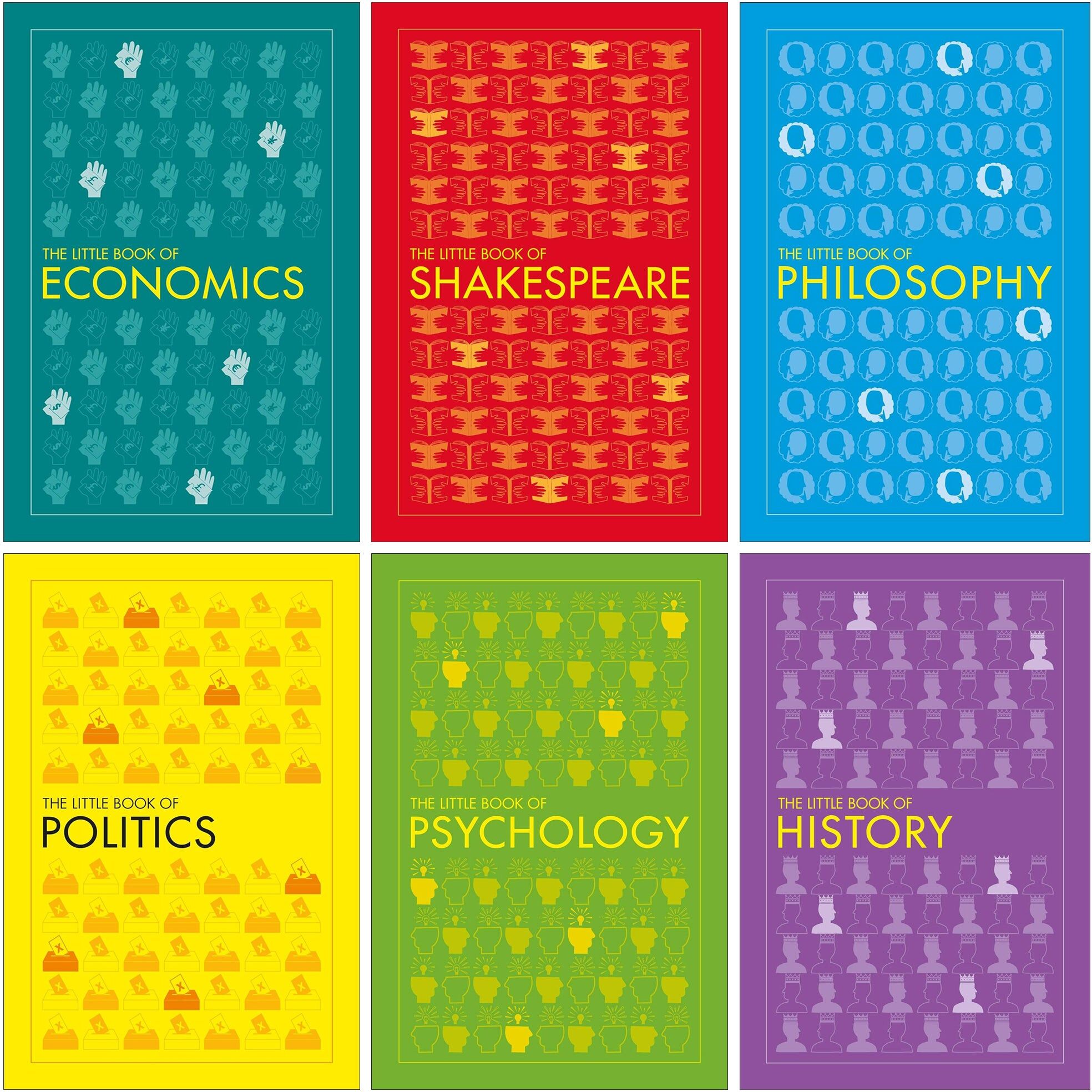
DK The Little Book Of Series 6 Books Collection Set (Economics, Politics, Shakespeare, Philosophy, Psychology, History)The Little Book Of Economics From the earliest forms of currency to the Industrial Revolution, and from the birth of the stock market to free-market capitalism and globalized trade, The Little Book of Economics brings economic theory and the work of key economists to life. Journeying through centuries of economic thought, it is the perfect pocket-sized guide to the subject. The Little Book Of Politics From the origins of democracy to Machiavelli's cunning statecraft, and from Rousseau's "social contract" to the American Declaration of Independence, Marxist communism, the dawn of populism, and identity politics, The Little Book of Politics examines the philosophies behind the different political beliefs and methods of government used around the world over the course of human history. The Little Book Of Shakespeare This bold book covers every work, from the comedies of Twelfth Night and As You Like It to the tragedies of Julius Caesar and Hamlet, plus lost plays and less well-known works of poetry. Easy-to-understand graphics and illustrations bring the themes, plots, characters and language of Shakespeare to life, including illustrated timelines which offer an at-a-glance summary of the action for each play. With detailed plot summaries and an in-depth analysis of the major characters and themes, this is a brilliant, innovative exploration of the entire canon of Shakespeare plays, sonnets and poetry. The Little Book Of Philosophy To the complete novice learning about philosophy can be daunting - The Little Book of Philosophy changes all that. With the use of powerful and easy-to-follow images, famous quotations, and explanations that are easily understandable, this book cuts through any misunderstandings to demystify the subject. The Little Book Of Psychology DK's The Little Book of Psychology answers all these questions and provides an insight into this fascinating field of science. Whether you are a student, an expert, a novice, or have a general interest in the human mind, this portable guide is the perfect choice to start exploring and understanding psychology. The Little Book Of History The Little Book of History charts world history from the dawn of civilisation to the modern culture we live in today. From the origins of homo-sapiens to the release of Nelson Mandela, from the French Revolution to the Space Race, The Little Book of History is a stunning exploration of the human timeline up to and including modern Islam, the world wide web, and the global financial crisis.14,99 £*Shipping: 2,99 £Secure redirect to the provider
-
The Readers Paradise The Psychology of Management: Building and Sustaining a Strong Organizational Structure and Culture by Sanchit Khullar - Paperback - BusinessDiscover the practical guide to effective management with The Psychology of Management: Building and Sustaining a Strong Organizational Structure and Culture by Sanchit Khullar. This book offers a research-informed approach to leadership, blending psychological theory with real-world management practice. It explores how human behavior, motivation, and culture shape organizational performance, providing a deeper understanding of what makes workplaces thrive. Written for managers, HR professionals, executives, and business students, this book breaks down the complexities of leadership, making it an essential resource for anyone looking to improve their management skills.2,99 £*Shipping: 2,99 £Secure redirect to the provider
-
The Psychology of Money by Morgan HouselDescription. Condition: BRAND NEW. Format: Paperback. Doing well with money isn't necessarily about what you know. It's about how you behave. And behavior is hard to teach, even to really smart people. Money investing, personal finance, and business decisions is typically taught as a math-based field, where data and formulas tell us exactly what to do. But in the real world people don't make financial decisions on a spreadsheet. They make them at the dinner table, or in a meeting room, where personal history, your own unique view of the world, ego, pride, marketing, and odd incentives are scrambled together. In The Psychology of Money, award-winning author Morgan Housel shares 19 short stories exploring the strange ways people think about money and teaches you how to make better sense of one of life's most important topics.. Title. The Psychology of Money: Timeless lessons on wealth, greed, and happiness. Delivery. Content. Reviews5,99 £*Shipping: 2,99 £Secure redirect to the provider


-
What is the pillion rider?
The pillion rider is a term used to describe a passenger who rides on the back seat of a motorcycle or bicycle. This position is located behind the main rider, who is in control of operating the vehicle. The pillion rider does not have any control over the vehicle and must rely on the main rider for safety and direction. It is important for the pillion rider to wear appropriate safety gear, such as a helmet, to protect themselves in case of an accident. **
-
Am I a good rider? What makes a good rider?
Being a good rider is subjective and can depend on various factors such as skill level, experience, and personal goals. To determine if you are a good rider, you can assess your ability to communicate effectively with your horse, maintain balance and control, and adapt to different situations while riding. A good rider is someone who is patient, confident, and empathetic towards their horse, continuously seeks to improve their skills, and prioritizes the well-being and safety of both themselves and their horse. Ultimately, being a good rider is a continuous journey of learning, growth, and dedication to the art of horsemanship. **
-
What is the difference between scatter flow and main flow?
Scatter flow refers to the movement of particles or objects in various directions, often in a random or disorganized manner. This can occur in a fluid or gas, where particles move in different directions due to turbulence or other forces. On the other hand, main flow refers to the dominant or primary direction of movement within a system. In a river, for example, the main flow is the central current that carries most of the water downstream, while scatter flow might refer to smaller eddies or swirls of water moving in different directions. **
-
How do you calculate the partial flow and the total flow?
To calculate the partial flow, you would need to determine the flow rate of a specific component or section of a system. This can be done by measuring the volume or mass of the substance passing through that particular point over a specific period of time. To calculate the total flow, you would sum up all the individual flow rates of the different components or sections of the system. This would give you the overall flow rate of the entire system. **


What is the difference between clinical psychology and psychology?
Clinical psychology is a specialized branch of psychology that focuses on diagnosing and treating mental health disorders. It involves working directly with individuals to provide therapy and interventions to improve their mental well-being. Psychology, on the other hand, is a broader field that encompasses the study of human behavior and mental processes. It includes various subfields such as developmental psychology, social psychology, and cognitive psychology, in addition to clinical psychology. **
What is the difference between psychology and applied psychology?
Psychology is the scientific study of human behavior and mental processes, focusing on understanding individual and group behavior through research and experimentation. Applied psychology, on the other hand, is the practical application of psychological principles and theories to real-world issues and problems. It involves using psychological knowledge and techniques to address specific issues in various fields such as clinical psychology, counseling, organizational psychology, and sports psychology. While psychology focuses on understanding human behavior and mental processes, applied psychology focuses on using this knowledge to solve practical problems and improve people's lives. **
Top-Angebote
Products related to Rider-Flow-The-Psychology:
-
Morgan Housel & Sanchit Khullar The Psychology of Money & The Psychology of Management 2 Books SetDescription. Condition: BRAND NEW. Format: Paperback. The Psychology of Money: Timeless lessons on wealth, greed, and happiness. The Sunday Times Number One Bestseller.. Over 7 million copies sold around the world.. The original book from Morgan Housel, the New York Times bestselling author of Same As Ever.. As featured on the Dr Chatterjee podcast Feel Better, Live More and the Diary of a CEO podcast with Steven Bartlett.. Doing well with money isn't necessarily about what you know. It's about how you behave. And behavior is hard to teach, even to really smart people.. Money investing, personal finance, and business decisions is typically taught as a math-based field, where data and formulas tell us exactly what to do. But in the real world people don't make financial decisions on a spreadsheet. They make them at the dinner table, or in a meeting room, where personal history, your own unique view of the world, ego, pride, marketing, and odd incentives are scrambled together.. In The Psychology of Money, award-winning author Morgan Housel shares 19 short stories exploring the strange ways people think about money and teaches you how to make better sense of one of life's most important topics.. The Psychology of Management: Building and Sustaining a Strong Organizational Structure and Culture. Unlock the hidden forces that shape effective leadership, and organizational success in The Psychology of Management. This groundbreaking book delves into the fascinating intersection of psychology and management, offering both foundational theory and practical insights for today's leaders. Explore the core psychological principles that drive decision-making, motivation, and performance within organizations, while gaining a deeper understanding of organizational behavior and culture. From the psychology of teams to individual leadership styles, this book equips you with the tools to apply psychological concepts directly to management practice. Whether you're an aspiring manager or a seasoned executive, The Psychology of Management will transform the way you lead, motivate, and create lasting change in your organization.. Title. The Psychology of Money & The Psychology of Management 2 Books Set. Delivery. Content. Reviews18,99 £*Shipping: 2,99 £Secure redirect to the provider
-
DK The Little Book Of Series 6 Books Collection Set (Economics, Politics, Shakespeare, Philosophy, Psychology, History)The Little Book Of Economics From the earliest forms of currency to the Industrial Revolution, and from the birth of the stock market to free-market capitalism and globalized trade, The Little Book of Economics brings economic theory and the work of key economists to life. Journeying through centuries of economic thought, it is the perfect pocket-sized guide to the subject. The Little Book Of Politics From the origins of democracy to Machiavelli's cunning statecraft, and from Rousseau's "social contract" to the American Declaration of Independence, Marxist communism, the dawn of populism, and identity politics, The Little Book of Politics examines the philosophies behind the different political beliefs and methods of government used around the world over the course of human history. The Little Book Of Shakespeare This bold book covers every work, from the comedies of Twelfth Night and As You Like It to the tragedies of Julius Caesar and Hamlet, plus lost plays and less well-known works of poetry. Easy-to-understand graphics and illustrations bring the themes, plots, characters and language of Shakespeare to life, including illustrated timelines which offer an at-a-glance summary of the action for each play. With detailed plot summaries and an in-depth analysis of the major characters and themes, this is a brilliant, innovative exploration of the entire canon of Shakespeare plays, sonnets and poetry. The Little Book Of Philosophy To the complete novice learning about philosophy can be daunting - The Little Book of Philosophy changes all that. With the use of powerful and easy-to-follow images, famous quotations, and explanations that are easily understandable, this book cuts through any misunderstandings to demystify the subject. The Little Book Of Psychology DK's The Little Book of Psychology answers all these questions and provides an insight into this fascinating field of science. Whether you are a student, an expert, a novice, or have a general interest in the human mind, this portable guide is the perfect choice to start exploring and understanding psychology. The Little Book Of History The Little Book of History charts world history from the dawn of civilisation to the modern culture we live in today. From the origins of homo-sapiens to the release of Nelson Mandela, from the French Revolution to the Space Race, The Little Book of History is a stunning exploration of the human timeline up to and including modern Islam, the world wide web, and the global financial crisis.14,99 £*Shipping: 2,99 £Secure redirect to the provider
-
Which courses combine biology, history, and psychology?
Courses such as Behavioral Genetics, Evolutionary Psychology, and History of Medicine often combine elements of biology, history, and psychology. These courses explore how biological factors influence behavior, how historical events have shaped our understanding of medicine and psychology, and how psychological theories have evolved over time. Students in these courses can gain a comprehensive understanding of the interconnectedness of these disciplines and how they contribute to our understanding of human behavior and health. **
-
Which degree programs combine biology, history, and psychology?
Some degree programs that combine biology, history, and psychology include programs in neuroscience, biopsychology, and evolutionary psychology. These programs explore the intersection of biology, history, and psychology to understand human behavior and cognitive processes. Students in these programs study topics such as the evolution of the brain, the impact of historical events on psychology, and the biological basis of behavior. **
-
What is the pillion rider?
The pillion rider is a term used to describe a passenger who rides on the back seat of a motorcycle or bicycle. This position is located behind the main rider, who is in control of operating the vehicle. The pillion rider does not have any control over the vehicle and must rely on the main rider for safety and direction. It is important for the pillion rider to wear appropriate safety gear, such as a helmet, to protect themselves in case of an accident. **
-
Am I a good rider? What makes a good rider?
Being a good rider is subjective and can depend on various factors such as skill level, experience, and personal goals. To determine if you are a good rider, you can assess your ability to communicate effectively with your horse, maintain balance and control, and adapt to different situations while riding. A good rider is someone who is patient, confident, and empathetic towards their horse, continuously seeks to improve their skills, and prioritizes the well-being and safety of both themselves and their horse. Ultimately, being a good rider is a continuous journey of learning, growth, and dedication to the art of horsemanship. **
Similar search terms for Rider-Flow-The-Psychology
-
The Readers Paradise The Psychology of Management: Building and Sustaining a Strong Organizational Structure and Culture by Sanchit Khullar - Paperback - BusinessDiscover the practical guide to effective management with The Psychology of Management: Building and Sustaining a Strong Organizational Structure and Culture by Sanchit Khullar. This book offers a research-informed approach to leadership, blending psychological theory with real-world management practice. It explores how human behavior, motivation, and culture shape organizational performance, providing a deeper understanding of what makes workplaces thrive. Written for managers, HR professionals, executives, and business students, this book breaks down the complexities of leadership, making it an essential resource for anyone looking to improve their management skills.2,99 £*Shipping: 2,99 £Secure redirect to the provider
-
The Psychology of Money by Morgan HouselDescription. Condition: BRAND NEW. Format: Paperback. Doing well with money isn't necessarily about what you know. It's about how you behave. And behavior is hard to teach, even to really smart people. Money investing, personal finance, and business decisions is typically taught as a math-based field, where data and formulas tell us exactly what to do. But in the real world people don't make financial decisions on a spreadsheet. They make them at the dinner table, or in a meeting room, where personal history, your own unique view of the world, ego, pride, marketing, and odd incentives are scrambled together. In The Psychology of Money, award-winning author Morgan Housel shares 19 short stories exploring the strange ways people think about money and teaches you how to make better sense of one of life's most important topics.. Title. The Psychology of Money: Timeless lessons on wealth, greed, and happiness. Delivery. Content. Reviews5,99 £*Shipping: 2,99 £Secure redirect to the provider
-
DK & Morgan Housel The Psychology Book By DK & The Psychology of Money By Morgan Housel 2 Books Collection SetDescription. The Psychology Book. All the big ideas, simply explained - an innovative and accessible guide to the study of human nature.The Psychology Book clearly explains more than 100 groundbreaking ideas in this fascinating field of science.How does the brain remember faces? What makes us choose one decision over another? Where does language come from? With the use of powerful and easy-to-follow images, quotations from all the major thinkers, and explanations that are easily understandable, this book demystifies hard-to-grasp concepts and shows how these have shaped our knowledge of the human mind.. The Psychology of Money. Doing well with money isn't necessarily about what you know. It's about how you behave. And behavior is hard to teach, even to really smart people.Money investing, personal finance, and business decisions is typically taught as a math-based field, where data and formulas tell us exactly what to do. But in the real world people don't make financial decisions on a spreadsheet. They make them at the dinner table, or in a meeting room, where personal history, your own unique view of the world, ego, pride, marketing, and odd incentives are scrambled together.. Title. The Psychology Book By DK & The Psychology of Money By Morgan Housel 2 Books Collection Set. Delivery. Content. Reviews99,99 £*Shipping: 0,00 £Secure redirect to the provider
-
Dr. N. Gosain & Jean-Francois Marmion The Psychology of Money Mindset, The Psychology of Stupidity 2 Books Collection Set PaperbackDescription. Titles in the Set:. The Psychology of Money Mindset :. The Psychology of Stupidity:. Condition:BRAND NEW. Format:Paperback. ISBN:9789256729828. The Psychology of Money Mindset :. The Psychology of Money Mindset : Decoding Financial Behaviour, Unlock the Secrets to Financial Mastery, Transform Your Relationship With MoneyUnlock the secrets to mastering your financial destiny with "The Psychology of Money Mindset." This insightful book dives deep into how our minds influence our financial decisions, helping you understand and reshape your relationship with money.. The Psychology of Stupidity:. 'We need books like this one' - Steven Pinker, psychologist and bestselling author of RationalityA comprehensive and witty exploration of human stupidity from some of the world’s smartest minds, including: Daniel Kahneman, Dan Ariely, Alison Gopnik, Howard Gardner, Antonio Damasio, Aaron James, Ryan Holiday and more,Stupidity is all around us, from the colleagues who won’t stop hitting ‘reply all’ to the former school friends posting conspiracy theories on Facebook. But in order to battle idiocy, we must first understand it.. Title. The Psychology of Money Mindset, The Psychology of Stupidity 2 Books Collection Set Paperback. Delivery. Content. Reviews7,99 £*Shipping: 2,99 £Secure redirect to the provider
-
What is the difference between scatter flow and main flow?
Scatter flow refers to the movement of particles or objects in various directions, often in a random or disorganized manner. This can occur in a fluid or gas, where particles move in different directions due to turbulence or other forces. On the other hand, main flow refers to the dominant or primary direction of movement within a system. In a river, for example, the main flow is the central current that carries most of the water downstream, while scatter flow might refer to smaller eddies or swirls of water moving in different directions. **
-
How do you calculate the partial flow and the total flow?
To calculate the partial flow, you would need to determine the flow rate of a specific component or section of a system. This can be done by measuring the volume or mass of the substance passing through that particular point over a specific period of time. To calculate the total flow, you would sum up all the individual flow rates of the different components or sections of the system. This would give you the overall flow rate of the entire system. **
-
What is the difference between clinical psychology and psychology?
Clinical psychology is a specialized branch of psychology that focuses on diagnosing and treating mental health disorders. It involves working directly with individuals to provide therapy and interventions to improve their mental well-being. Psychology, on the other hand, is a broader field that encompasses the study of human behavior and mental processes. It includes various subfields such as developmental psychology, social psychology, and cognitive psychology, in addition to clinical psychology. **
-
What is the difference between psychology and applied psychology?
Psychology is the scientific study of human behavior and mental processes, focusing on understanding individual and group behavior through research and experimentation. Applied psychology, on the other hand, is the practical application of psychological principles and theories to real-world issues and problems. It involves using psychological knowledge and techniques to address specific issues in various fields such as clinical psychology, counseling, organizational psychology, and sports psychology. While psychology focuses on understanding human behavior and mental processes, applied psychology focuses on using this knowledge to solve practical problems and improve people's lives. **
* All prices are inclusive of VAT and, if applicable, plus shipping costs. The offer information is based on the details provided by the respective shop and is updated through automated processes. Real-time updates do not occur, so deviations can occur in individual cases. ** Note: Parts of this content were created by AI.