Buy greatpoland.eu ?
We are moving the project
greatpoland.eu .
Are you interested in purchasing the domain
greatpoland.eu ?
domain@kv-gmbh.de · 0541-91531010
Buy greatpoland.eu ?
Is the selection of African elephants there stabilizing selection and directional selection?
The selection of African elephants can be considered stabilizing selection. Stabilizing selection occurs when the average phenotype is favored, and extreme phenotypes are selected against. In the case of African elephants, traits such as tusk size and body size may be under stabilizing selection, as individuals with average-sized tusks and bodies are more likely to survive and reproduce. On the other hand, directional selection may also be at play in certain traits of African elephants. Directional selection occurs when one extreme phenotype is favored over the other, leading to a shift in the average phenotype over time. For example, if there is increased poaching pressure on elephants with larger tusks, this could lead to directional selection favoring individuals with smaller tusks. Overall, the selection of African elephants likely involves a combination of stabilizing and directional selection, depending on the specific traits and environmental pressures at play. **
Can you give examples of culture followers and culture avoiders and justify your selection?
Culture followers are individuals who actively participate in and engage with their cultural traditions and practices. For example, someone who regularly attends cultural festivals, celebrates traditional holidays, and practices their native language would be considered a culture follower. On the other hand, culture avoiders are individuals who intentionally distance themselves from their cultural heritage and traditions. This could include someone who refuses to participate in cultural events, rejects their native language, or avoids engaging with their cultural community. Both culture followers and culture avoiders can have valid reasons for their choices, whether it be a strong sense of identity and connection to their culture or a desire to break away from traditional norms and expectations. **
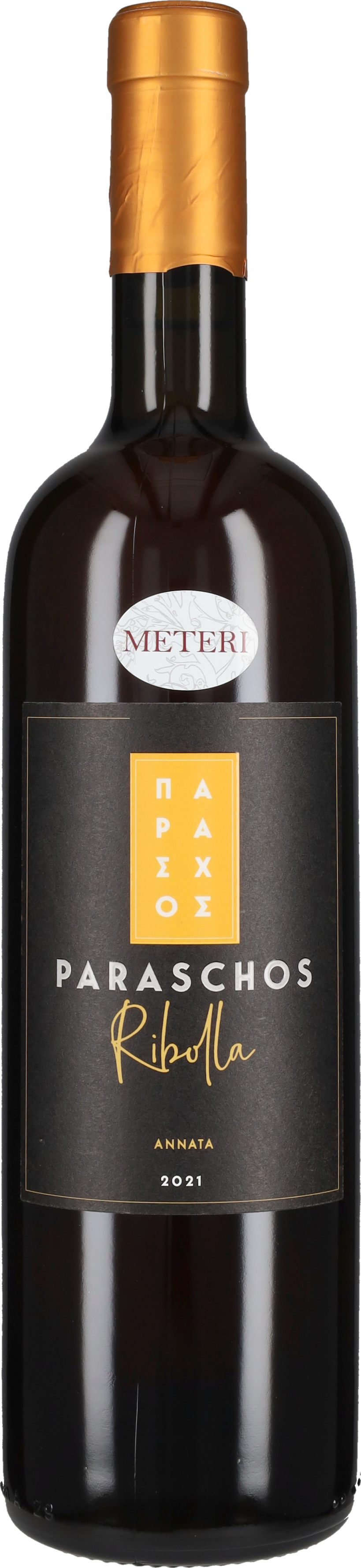

Similar search terms for Ribolla-Gialla-Selection-Paraschos
Top-Angebote
Products related to Ribolla-Gialla-Selection-Paraschos:

-
How can I expand the history selection menu in Firefox?
To expand the history selection menu in Firefox, you can click on the "Library" button (it looks like a stack of books) in the toolbar and then select "History" from the drop-down menu. This will open the history panel, where you can see your browsing history. You can also use the keyboard shortcut "Ctrl + H" to quickly open the history panel. Additionally, you can customize the history selection menu by adding the "History" button to the toolbar for easier access. **
-
Is the Bundeswehr selection test an impossible selection process?
The Bundeswehr selection test is not an impossible selection process, but it is certainly challenging. The test is designed to assess a candidate's physical fitness, mental aptitude, and leadership potential. While it may be difficult, it is not impossible for candidates to pass the selection test with proper preparation and determination. The test is meant to identify individuals who are capable of meeting the demands of serving in the German armed forces, and those who successfully pass the test demonstrate their readiness for the role. **
-
What is selection?
Selection is the process by which certain traits or characteristics become more common in a population over time due to their advantageous nature. It occurs through the differential survival and reproduction of individuals with these traits, leading to the passing on of these advantageous traits to future generations. Selection can be natural, where environmental factors determine which traits are favored, or artificial, where humans intentionally breed individuals with desired traits. Overall, selection plays a crucial role in shaping the genetic makeup of populations and driving evolution. **
-
What are the differences between natural selection and artificial selection?
Natural selection is the process by which organisms better adapted to their environment tend to survive and reproduce more successfully, leading to the evolution of species over time. On the other hand, artificial selection is the process by which humans intentionally select and breed organisms with specific traits to produce offspring with desired characteristics. While natural selection occurs in nature without human intervention, artificial selection is driven by human manipulation and breeding practices. Additionally, natural selection is a gradual process that occurs over generations, while artificial selection can produce rapid changes in traits within a few generations. **
What does selection mean?
Selection refers to the process of choosing individuals with specific traits or characteristics to reproduce, leading to a change in the frequency of those traits in a population over time. This process can be natural, such as when certain traits provide a survival advantage in a particular environment, or artificial, when humans intentionally breed individuals with desired traits. Selection is a key mechanism of evolution, driving the adaptation of populations to their environments. **
What is natural selection?
Natural selection is the process by which organisms that are better adapted to their environment are more likely to survive and reproduce, passing on their advantageous traits to their offspring. Over time, this leads to the accumulation of beneficial traits in a population, increasing its overall fitness and ability to thrive in its environment. Natural selection is a key mechanism of evolution, driving the gradual change and adaptation of species over generations. **
Top-Angebote
Products related to Ribolla-Gialla-Selection-Paraschos:
-
Ribolla Gialla 'Selection' Paraschos 2021La Ribolla Gialla "Selection" di Paraschos è un vino caleidsocopico e conturbante, espressione profonda e fedele del Collio vitivinicolo. Ribolla gialla, croce e delizia di ogni produttore locale, in virtù del suo carattere bizzoso e di una buccia estremamente sottile, difficile da gestire. Vitigno che, secondo la maggior parte dei vignaioli della zona, esige una macerazione sulle bucce e questa visione è condivisa dalla famiglia Paraschos, che ne restituisce una tra le più nitide e scintillanti versioni. Come sempre, in stile Paraschos, emerge la sincerità del liquido ma anche la sua estrema definizione, sintomo di una mano sapiente e leggera in vinificazione. Vivido ed elegante ritratto di San Floriano e Oslavia! Il "Selection" Ribolla Gialla è ottenuto da uve in purezza dell'omonimo vitigno, raccolte a piena maturazione fenolica e provenienti dalla vigna Slatnik sita nei comuni di San Floriano e Oslavia, che poggia sul tipico strato marnoso argilloso localmente detto “Ponka”. Nessun trattamento chimico in vigna e accurata vendemmia manuale, precedono la fermentazione spontanea con lieviti indigeni in anfore di terracotta della durata di 6 mesi, con breve macerazione sulle bucce. Il liquido affina per alcuni mesi in tini e botti di legno senza subire filtrazioni o aggiunte di solforosa. Il Paraschos Ribolla Gialla "Selection" scende nel bicchiere con la sua veste dorata, che vira verso l'ambrato. Naso dotato di ampiezza da fuoriclasse, che racchiude svariati richiami: in primis la frutta, che spazia dall'agrume alla pesca matura, poi la cannella e la vaniglia, e le erbe spontanee. Un continuo rimando tra note dolci e piccanti, dialettico. Sorso davvero emblematico, per la sua capacità di riunire in un nucleo compatto struttura, freschezza e sapidità, oltre ad un ricordo di tannino. Finale persistente e lungo, difficilmente dimenticabile. Vino a 360 gradi.49,00 £*Shipping: 48,00 £Secure redirect to the provider
-
Simcic Marjan Ribolla Gialla 'Cru Selection' Marjan Simcic 2024The Ribolla Gialla "Cru Selection" by Marjan Simcic is a white wine complex and endowed with a caressing texture, the result of a selection of old vines. We have already spent several words regarding Marjan Simcic, a talented winemaker from the Slovenian Collio, but with every tasting of his liquids, we can only reiterate how his bottles manage to combine a deep and personal style with an enviable tasting purity. 18 hectares of vineyard, located between Italy and Slovenia, cultivated without the use of any chemical or synthetic substances. And then a respectful work in the cellar, where fermentations occur spontaneously and the liquids obtained undergo no filtration. A magical terroir, in one of its clearest and most sparkling interpretations! The "Cru Selection" Ribolla Gialla is obtained from pure grapes of the same name, coming from a careful selection of vines over 50 years old, situated at 200-250 meters above sea level and placed on marl soils. Vineyards cultivated organically, and strictly manual harvesting, precede a winemaking process that also in the cellar occurs with extremely reduced intervention.extremely reduced. Spontaneous fermentation with maceration of the must on the skins for 6 days, without the liquid being filtered or clarified. Aging for 12 months in 3-hectoliter oak vats and for 11 months in French oak barrels. The Ribolla Gialla "Cru Selection" presents itself in the glass with its straw-yellow hue, edged with golden reflections. A varied and multifaceted nose, which successively offers clear hints of orange peel, dried fruit, candied fruit, and oriental spices. Mineral bursts enliven the olfaction, remaining delicately in the background. On the palate, the liquid reveals all its personality, immediately showing its generous glyceric side, which makes the wine soft and welcoming, always balanced by a measured contribution of freshness and sapidity. Great charm, for a white that stands as a manifesto of Marjan's philosophy.30,00 £*Shipping: 48,00 £Secure redirect to the provider
-
Is the selection of African elephants there stabilizing selection and directional selection?
The selection of African elephants can be considered stabilizing selection. Stabilizing selection occurs when the average phenotype is favored, and extreme phenotypes are selected against. In the case of African elephants, traits such as tusk size and body size may be under stabilizing selection, as individuals with average-sized tusks and bodies are more likely to survive and reproduce. On the other hand, directional selection may also be at play in certain traits of African elephants. Directional selection occurs when one extreme phenotype is favored over the other, leading to a shift in the average phenotype over time. For example, if there is increased poaching pressure on elephants with larger tusks, this could lead to directional selection favoring individuals with smaller tusks. Overall, the selection of African elephants likely involves a combination of stabilizing and directional selection, depending on the specific traits and environmental pressures at play. **
-
Can you give examples of culture followers and culture avoiders and justify your selection?
Culture followers are individuals who actively participate in and engage with their cultural traditions and practices. For example, someone who regularly attends cultural festivals, celebrates traditional holidays, and practices their native language would be considered a culture follower. On the other hand, culture avoiders are individuals who intentionally distance themselves from their cultural heritage and traditions. This could include someone who refuses to participate in cultural events, rejects their native language, or avoids engaging with their cultural community. Both culture followers and culture avoiders can have valid reasons for their choices, whether it be a strong sense of identity and connection to their culture or a desire to break away from traditional norms and expectations. **
-
How can I expand the history selection menu in Firefox?
To expand the history selection menu in Firefox, you can click on the "Library" button (it looks like a stack of books) in the toolbar and then select "History" from the drop-down menu. This will open the history panel, where you can see your browsing history. You can also use the keyboard shortcut "Ctrl + H" to quickly open the history panel. Additionally, you can customize the history selection menu by adding the "History" button to the toolbar for easier access. **
-
Is the Bundeswehr selection test an impossible selection process?
The Bundeswehr selection test is not an impossible selection process, but it is certainly challenging. The test is designed to assess a candidate's physical fitness, mental aptitude, and leadership potential. While it may be difficult, it is not impossible for candidates to pass the selection test with proper preparation and determination. The test is meant to identify individuals who are capable of meeting the demands of serving in the German armed forces, and those who successfully pass the test demonstrate their readiness for the role. **
Similar search terms for Ribolla-Gialla-Selection-Paraschos
-
What is selection?
Selection is the process by which certain traits or characteristics become more common in a population over time due to their advantageous nature. It occurs through the differential survival and reproduction of individuals with these traits, leading to the passing on of these advantageous traits to future generations. Selection can be natural, where environmental factors determine which traits are favored, or artificial, where humans intentionally breed individuals with desired traits. Overall, selection plays a crucial role in shaping the genetic makeup of populations and driving evolution. **
-
What are the differences between natural selection and artificial selection?
Natural selection is the process by which organisms better adapted to their environment tend to survive and reproduce more successfully, leading to the evolution of species over time. On the other hand, artificial selection is the process by which humans intentionally select and breed organisms with specific traits to produce offspring with desired characteristics. While natural selection occurs in nature without human intervention, artificial selection is driven by human manipulation and breeding practices. Additionally, natural selection is a gradual process that occurs over generations, while artificial selection can produce rapid changes in traits within a few generations. **
-
What does selection mean?
Selection refers to the process of choosing individuals with specific traits or characteristics to reproduce, leading to a change in the frequency of those traits in a population over time. This process can be natural, such as when certain traits provide a survival advantage in a particular environment, or artificial, when humans intentionally breed individuals with desired traits. Selection is a key mechanism of evolution, driving the adaptation of populations to their environments. **
-
What is natural selection?
Natural selection is the process by which organisms that are better adapted to their environment are more likely to survive and reproduce, passing on their advantageous traits to their offspring. Over time, this leads to the accumulation of beneficial traits in a population, increasing its overall fitness and ability to thrive in its environment. Natural selection is a key mechanism of evolution, driving the gradual change and adaptation of species over generations. **
* All prices are inclusive of VAT and, if applicable, plus shipping costs. The offer information is based on the details provided by the respective shop and is updated through automated processes. Real-time updates do not occur, so deviations can occur in individual cases. ** Note: Parts of this content were created by AI.