Buy greatpoland.eu ?
We are moving the project
greatpoland.eu .
Are you interested in purchasing the domain
greatpoland.eu ?
domain@kv-gmbh.de · 0541-91531010
Buy greatpoland.eu ?
What traditions, customs, and festivals are there in Hungary?
Hungary has a rich cultural heritage with many traditions, customs, and festivals. One of the most well-known traditions is the celebration of Easter, which includes painting eggs and the custom of sprinkling water on women as a sign of fertility. Another important festival is the Budapest Spring Festival, which features a wide range of cultural events including music, dance, and theater performances. The Hungarian National Day, celebrated on August 20th, is also a significant event, with fireworks, concerts, and other festivities taking place across the country. Additionally, traditional Hungarian folk music and dance are an integral part of the country's cultural identity, with many festivals and events dedicated to showcasing these art forms. **
What are the traditions and culture in Kosovo?
Kosovo has a rich cultural heritage influenced by its history and diverse population. The traditions in Kosovo are deeply rooted in its Albanian, Serbian, and Turkish heritage, and include music, dance, and cuisine. The country also has a strong tradition of storytelling, poetry, and folk art. Additionally, Kosovo is known for its religious diversity, with a mix of Muslim, Orthodox Christian, and Catholic influences contributing to its cultural landscape. Overall, the traditions and culture in Kosovo reflect the country's complex history and the resilience of its people. **
Similar search terms for Nostos-Valdisole
Top-Angebote
Products related to Nostos-Valdisole:
-
'Anarchia' ValdisoleThe orange wine ‘Anarchia’ from the Piedmontese reality of Valdisole is configured as a soft and enveloping interpretation of the type, the result of a peculiar winemaking technique. This bottle was born in 2016, in the second year of experimentation for the winery, free from schemes and constraints, the daughter of a truly “anarchic” oenological vision. In fact, this macerated white wine is produced through a winemaking practice comparable to the Ripasso technique used in Valpolicella, where the wine undergoes a second maceration with pomace from dried grapes. Valdisole ‘Anarchia’ is made from a single white grape variety grown on clay soils according to eco-sustainable practices, excluding the use of synthetic chemical substances. The harvest is carried out late with a percentage of dried grapes on the vine and is followed by the crushing and destemming of the bunches. At this point, spontaneous alcoholic fermentation takes place in large oak barrels, accompanied by about 15 days of maceration on the skins. This is followed by a second long maceration of 5-8 months on the pomace of other dried grapes, according to a technique similar to that used in Valpolicella for Ripasso, capable of giving pronounced softness to the finished wine. The final bottling takes place without prior filtration or clarification. The color of the macerated white wine ‘Anarchia’ from the Valdisole winery is a characteristic garnet yellow with orange reflections. On the nose, vivid and original aromas of apricot, canned peach, citrus peel such as lemon and orange, fig, and raisin emerge. The sip is soft and balanced, with elegant roundness and a delicate tannic sensation that contribute to the great impact of the tasting finish.31,00 £*Shipping: 48,00 £Secure redirect to the provider
-
'Simposio' ValdisoleThe ‘Simposio’ from the small artisan winery Valdisole is characterized as a red wine with a light and smooth taste, not at all demanding. What contributes to the carefree nature of this wine is the carbonic maceration process used in winemaking, following the tradition of the reds from Beaujolais. In fact, Valdisole's production is guided by the adoption of ancient and modern practices used in various wine regions around the world, such as the oxidative style of Jura wines or, indeed, the carbonic maceration of Gamay from Beaujolais. One essential foundation unites the wines produced by the estate: the fact that only and exclusively grapes are used as ingredients, thus rejecting the use of additives and enological aids. The Valdisole ‘Simposio’ is made with only red grapes grown without the use of pesticides, herbicides, and other synthetic chemical substances, exclusively employing copper and mined sulfur in defense against pests. The harvest is done entirely by hand and the bunches are then vinified in stainless steel tanks.of stainless steel through spontaneous alcoholic fermentation with carbonic maceration. Throughout the entire production process, both filtration and clarification operations as well as the use of additives and enological aids are excluded, except for minimal doses of sulfites, added at bottling if necessary. The ‘Simposio’ from the artisanal reality of Piemonte, Valdisole, has a bright ruby red color. On the nose, pleasant aromas of strawberry, raspberry, lavender, hay, and dried oregano are perceived, with hints of pink pepper providing a background. The tasting is dry and of good complexity, fresh and crisp, with a non-intrusive tannin that contributes to the ease of drinking.19,00 £*Shipping: 48,00 £Secure redirect to the provider
-
'Pnoi' Valdisolerosé through soft pressing and short skin maceration directly in the press. The alcoholic fermentation is entrusted solely to indigenous yeasts and takes place between chestnut barrels and Clayver ceramic barrels, with the final bottling carried out without prior stabilization, clarification, and filtration. The rosé wine ‘Pnoi’ from Valdisole has a delicate powder pink color. The aromatic bouquet releases intriguing scents of red orange, passion fruit, cherry, raspberry, and pear, surrounded by seductive floral and spicy nuances. Fresh taste development, characterized by delicate but persistent tannins, as well as a pleasant softness given by the slight residual sugar, with a finish that recalls faint oxidative memories.rosé through soft pressing and short skin maceration directly in the press. The alcoholic fermentation is entrusted solely to indigenous yeasts and takes place between chestnut barrels and Clayver ceramic barrels, with the final bottling carried out without prior stabilization, clarification, and filtration. The rosé wine ‘Pnoi’ from Valdisole has a delicate powder pink color. The aromatic bouquet releases intriguing scents of red orange, passion fruit, cherry, raspberry, and pear, surrounded by seductive floral and spicy nuances. Fresh taste development, characterized by delicate but persistent tannins, as well as a pleasant softness given by the slight residual sugar, with a finish that recalls faint oxidative memories.29,00 £*Shipping: 48,00 £Secure redirect to the provider


-
Are there any special festivals and traditions in Schleswig-Holstein?
Yes, Schleswig-Holstein has several special festivals and traditions. One of the most famous is the Kiel Week, which is the largest sailing event in the world and includes a variety of cultural and entertainment activities. Another popular tradition is the Schleswig-Holstein Music Festival, which features classical music performances in various locations throughout the region. Additionally, there are traditional events like the Husum Harbour Days and the Wacken Open Air heavy metal music festival that attract visitors from all over the world. **
-
What traditions and customs are there in Turkish culture?
Turkish culture is rich in traditions and customs that have been passed down through generations. One important tradition is the Turkish tea culture, where people gather to socialize and enjoy strong, black tea served in small glasses. Another tradition is the Turkish bath, or hamam, which is a communal bathing experience that has been a part of Turkish culture for centuries. Additionally, Turkish cuisine is known for its diverse flavors and use of fresh ingredients, and sharing meals with family and friends is an important custom in Turkish culture. Finally, hospitality is a key aspect of Turkish culture, with guests being treated with great respect and generosity. **
-
How do you personally like Russian culture and its traditions?
As an AI, I do not have personal preferences or feelings. However, I can provide information on Russian culture and traditions. Russian culture is rich and diverse, with a long history of art, literature, music, and dance. Traditional Russian cuisine, such as borscht and blini, is also popular worldwide. Russian traditions, like Maslenitsa and Orthodox Christmas, are celebrated with great enthusiasm and bring people together in a spirit of unity and joy. Overall, Russian culture and traditions are fascinating and offer a unique glimpse into the country's heritage. **
-
How do you personally like the Russian culture and its traditions?
As an AI language model, I don't have personal experiences or preferences. However, I can tell you that Russian culture and traditions are rich and diverse, with a strong emphasis on literature, music, dance, and visual arts. The traditional Russian cuisine, such as borscht and blini, is also widely enjoyed. The Russian people are known for their hospitality and warmth, and their traditions, such as Maslenitsa and New Year celebrations, are vibrant and colorful. Overall, Russian culture and traditions are fascinating and have a lot to offer. **

What are electricity and high culture history?
Electricity history refers to the development and use of electricity as a form of energy, including the discovery of electricity, the invention of electric devices, and the establishment of electrical systems. High culture history, on the other hand, refers to the history of cultural and artistic achievements that are considered to be of high quality and sophistication, such as classical music, literature, fine arts, and theater. Both electricity and high culture history have evolved over time, shaping the way we live and appreciate the world around us. **
What is the difference between low culture and high culture in history?
Low culture refers to the cultural activities and products that are considered to be more common, popular, and easily accessible to the general public. This can include things like popular music, television shows, and mass-produced literature. On the other hand, high culture refers to the cultural activities and products that are considered to be more refined, sophisticated, and often associated with the elite or educated classes. This can include things like classical music, fine art, and literature that is considered to be more intellectually challenging. The distinction between low and high culture has been a source of debate and has evolved over time, but it generally reflects the social and class divisions within a society. **
Top-Angebote
Products related to Nostos-Valdisole:
-
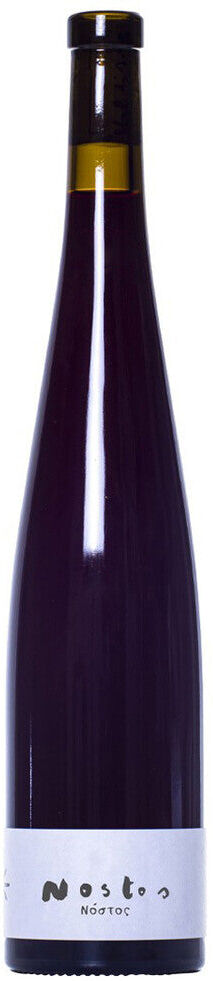
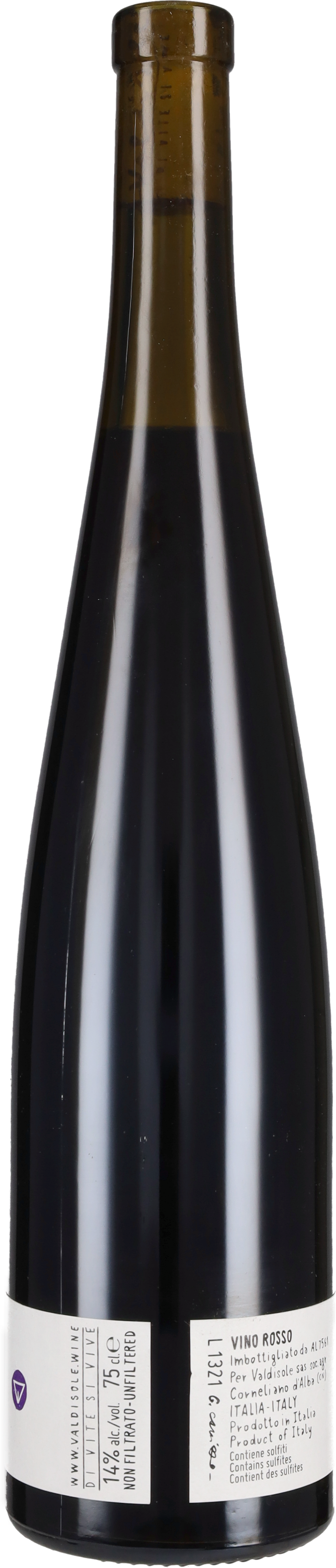
'Nostos' Valdisoleof maceration on the skins in stainless steel tanks. The final bottling is done without prior clarification or filtration and with no or minimal additions of sulfites. In the glass, Valdisole's 'Nostos' expresses a delicate purple-red hue. Pleasant aromas of rose, geranium flower, strawberry jam, and red and black raspberries outline the olfactory spectrum. The progression on the palate is fresh and elegant, with a beautiful aromatic intensity, with well-integrated tannins accompanying the vivid and juicy sensations of berries and flowers in the finish. This is a perfect red wine to pair with platters of medium-aged cheeses and cured meats, or with first and second courses of not overly flavorful meats, such as veal or pork.of maceration on the skins in stainless steel tanks. The final bottling is done without prior clarification or filtration and with no or minimal additions of sulfites. In the glass, Valdisole's 'Nostos' expresses a delicate purple-red hue. Pleasant aromas of rose, geranium flower, strawberry jam, and red and black raspberries outline the olfactory spectrum. The progression on the palate is fresh and elegant, with a beautiful aromatic intensity, with well-integrated tannins accompanying the vivid and juicy sensations of berries and flowers in the finish. This is a perfect red wine to pair with platters of medium-aged cheeses and cured meats, or with first and second courses of not overly flavorful meats, such as veal or pork.23,00 £*Shipping: 48,00 £Secure redirect to the provider
-
'Amos' ValdisoleThe Piedmontese winery Valdisole introduces the red wine ‘Amos’, a label characterized by irresistible aromas of red fruits and spices. Located in Corneliano d’Alba, in the Roero production area, the artisanal reality of Valdisole is run with genuineness by Giuseppe Amato and Kyriaki Kalimeri, a couple who passionately cultivates traditional varieties of Lower Piedmont, including the indispensable Nebbiolo, an emblematic grape of Roero. The name ‘Amos’ comes from ancient Greek and means “sand”, referring to the characteristic texture of the soils that distinguish the vineyards from which the grapes destined for this bottle come, a matrix that contributes to the finesse and elegance of the wine. The red ‘Amos’ Valdisole originates from a single black grape variety cultivated without the use of pesticides, herbicides, and other synthetic chemical substances. The grapes come from the youngest vineyard of the estate, planted about 20 years ago on calcareous soils rich in sand, characterized by an average sun exposure.In the winery, the hand-harvested clusters undergo the operation of destemming and crushing, followed by the spontaneous alcoholic fermentation of the must in stainless steel tanks associated with about 20 days of contact between the must and the pomace. The wine is finally bottled without undergoing any clarification or filtration and with the only addition of a small quantity of sulfur dioxide. Valdisole ‘Amos’ has a bright ruby red color. The aromas range from notes of red fruits such as cherry and wild strawberry to floral hints of rose petals, all enriched by spicy suggestions of black pepper. The taste development is fresh, direct, and elegant, with a meaty tannic structure that does not preclude the overall great drinkability.29,00 £*Shipping: 48,00 £Secure redirect to the provider
-
'Anarchia' ValdisoleThe orange wine ‘Anarchia’ from the Piedmontese reality of Valdisole is configured as a soft and enveloping interpretation of the type, the result of a peculiar winemaking technique. This bottle was born in 2016, in the second year of experimentation for the winery, free from schemes and constraints, the daughter of a truly “anarchic” oenological vision. In fact, this macerated white wine is produced through a winemaking practice comparable to the Ripasso technique used in Valpolicella, where the wine undergoes a second maceration with pomace from dried grapes. Valdisole ‘Anarchia’ is made from a single white grape variety grown on clay soils according to eco-sustainable practices, excluding the use of synthetic chemical substances. The harvest is carried out late with a percentage of dried grapes on the vine and is followed by the crushing and destemming of the bunches. At this point, spontaneous alcoholic fermentation takes place in large oak barrels, accompanied by about 15 days of maceration on the skins. This is followed by a second long maceration of 5-8 months on the pomace of other dried grapes, according to a technique similar to that used in Valpolicella for Ripasso, capable of giving pronounced softness to the finished wine. The final bottling takes place without prior filtration or clarification. The color of the macerated white wine ‘Anarchia’ from the Valdisole winery is a characteristic garnet yellow with orange reflections. On the nose, vivid and original aromas of apricot, canned peach, citrus peel such as lemon and orange, fig, and raisin emerge. The sip is soft and balanced, with elegant roundness and a delicate tannic sensation that contribute to the great impact of the tasting finish.31,00 £*Shipping: 48,00 £Secure redirect to the provider
-
What traditions, customs, and festivals are there in Hungary?
Hungary has a rich cultural heritage with many traditions, customs, and festivals. One of the most well-known traditions is the celebration of Easter, which includes painting eggs and the custom of sprinkling water on women as a sign of fertility. Another important festival is the Budapest Spring Festival, which features a wide range of cultural events including music, dance, and theater performances. The Hungarian National Day, celebrated on August 20th, is also a significant event, with fireworks, concerts, and other festivities taking place across the country. Additionally, traditional Hungarian folk music and dance are an integral part of the country's cultural identity, with many festivals and events dedicated to showcasing these art forms. **
-
What are the traditions and culture in Kosovo?
Kosovo has a rich cultural heritage influenced by its history and diverse population. The traditions in Kosovo are deeply rooted in its Albanian, Serbian, and Turkish heritage, and include music, dance, and cuisine. The country also has a strong tradition of storytelling, poetry, and folk art. Additionally, Kosovo is known for its religious diversity, with a mix of Muslim, Orthodox Christian, and Catholic influences contributing to its cultural landscape. Overall, the traditions and culture in Kosovo reflect the country's complex history and the resilience of its people. **
-
Are there any special festivals and traditions in Schleswig-Holstein?
Yes, Schleswig-Holstein has several special festivals and traditions. One of the most famous is the Kiel Week, which is the largest sailing event in the world and includes a variety of cultural and entertainment activities. Another popular tradition is the Schleswig-Holstein Music Festival, which features classical music performances in various locations throughout the region. Additionally, there are traditional events like the Husum Harbour Days and the Wacken Open Air heavy metal music festival that attract visitors from all over the world. **
-
What traditions and customs are there in Turkish culture?
Turkish culture is rich in traditions and customs that have been passed down through generations. One important tradition is the Turkish tea culture, where people gather to socialize and enjoy strong, black tea served in small glasses. Another tradition is the Turkish bath, or hamam, which is a communal bathing experience that has been a part of Turkish culture for centuries. Additionally, Turkish cuisine is known for its diverse flavors and use of fresh ingredients, and sharing meals with family and friends is an important custom in Turkish culture. Finally, hospitality is a key aspect of Turkish culture, with guests being treated with great respect and generosity. **
Similar search terms for Nostos-Valdisole
-
'Simposio' ValdisoleThe ‘Simposio’ from the small artisan winery Valdisole is characterized as a red wine with a light and smooth taste, not at all demanding. What contributes to the carefree nature of this wine is the carbonic maceration process used in winemaking, following the tradition of the reds from Beaujolais. In fact, Valdisole's production is guided by the adoption of ancient and modern practices used in various wine regions around the world, such as the oxidative style of Jura wines or, indeed, the carbonic maceration of Gamay from Beaujolais. One essential foundation unites the wines produced by the estate: the fact that only and exclusively grapes are used as ingredients, thus rejecting the use of additives and enological aids. The Valdisole ‘Simposio’ is made with only red grapes grown without the use of pesticides, herbicides, and other synthetic chemical substances, exclusively employing copper and mined sulfur in defense against pests. The harvest is done entirely by hand and the bunches are then vinified in stainless steel tanks.of stainless steel through spontaneous alcoholic fermentation with carbonic maceration. Throughout the entire production process, both filtration and clarification operations as well as the use of additives and enological aids are excluded, except for minimal doses of sulfites, added at bottling if necessary. The ‘Simposio’ from the artisanal reality of Piemonte, Valdisole, has a bright ruby red color. On the nose, pleasant aromas of strawberry, raspberry, lavender, hay, and dried oregano are perceived, with hints of pink pepper providing a background. The tasting is dry and of good complexity, fresh and crisp, with a non-intrusive tannin that contributes to the ease of drinking.19,00 £*Shipping: 48,00 £Secure redirect to the provider
-
'Pnoi' Valdisolerosé through soft pressing and short skin maceration directly in the press. The alcoholic fermentation is entrusted solely to indigenous yeasts and takes place between chestnut barrels and Clayver ceramic barrels, with the final bottling carried out without prior stabilization, clarification, and filtration. The rosé wine ‘Pnoi’ from Valdisole has a delicate powder pink color. The aromatic bouquet releases intriguing scents of red orange, passion fruit, cherry, raspberry, and pear, surrounded by seductive floral and spicy nuances. Fresh taste development, characterized by delicate but persistent tannins, as well as a pleasant softness given by the slight residual sugar, with a finish that recalls faint oxidative memories.rosé through soft pressing and short skin maceration directly in the press. The alcoholic fermentation is entrusted solely to indigenous yeasts and takes place between chestnut barrels and Clayver ceramic barrels, with the final bottling carried out without prior stabilization, clarification, and filtration. The rosé wine ‘Pnoi’ from Valdisole has a delicate powder pink color. The aromatic bouquet releases intriguing scents of red orange, passion fruit, cherry, raspberry, and pear, surrounded by seductive floral and spicy nuances. Fresh taste development, characterized by delicate but persistent tannins, as well as a pleasant softness given by the slight residual sugar, with a finish that recalls faint oxidative memories.29,00 £*Shipping: 48,00 £Secure redirect to the provider
-
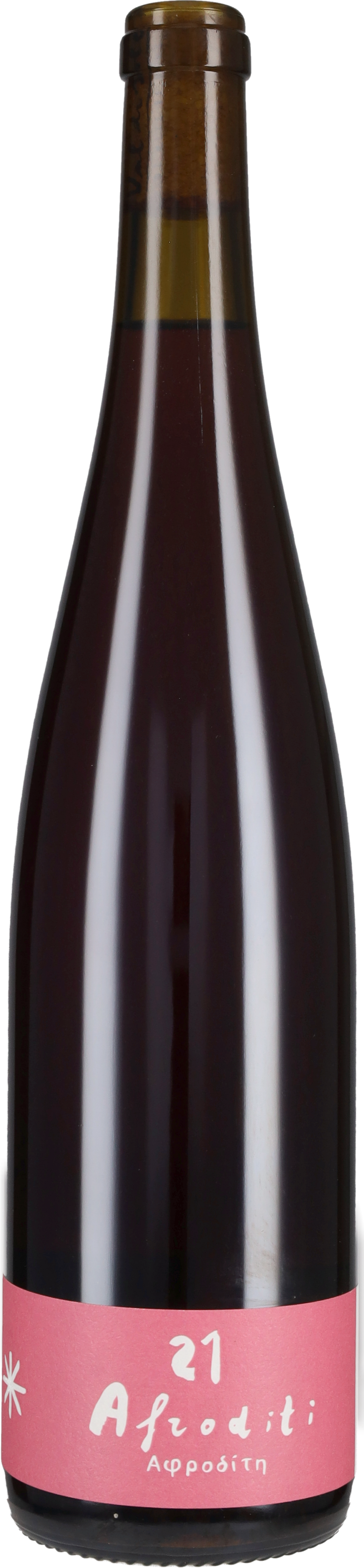
'Afroditi' ValdisoleThe red wine ‘Afroditi’ from the Roero-based Valdisole represents a handcrafted expression with a juicy and dynamic character. At the helm of the winery are Giuseppe Amato and Kyriaki Kalimeri, who officially started their winemaking project in 2015 on the hills of Corneliano d’Alba after purchasing an abandoned Nebbiolo vineyard. The couple, who do not come from a family of winemakers, met in a sommelier course, and from the very beginning, they shared a mutual understanding of the production philosophy, based on respecting the expressive purity of the terroir combined with a highly experimental winemaking spirit. ‘Afroditi’ Valdisole is made with only red grapes grown without the use of synthetic chemical substances, using exclusively mineral sulfur and copper to protect against vine pathogens. After manual harvesting, the bunches are crushed in stainless steel tanks, where spontaneous alcoholic fermentation occurs in contact with the skins. Throughout the production process, no filtration or clarification operations are used, nor are additives and enological aids employed, except for very low doses of sulfites at bottling, when necessary.the entire production process excludes the use of filtration and clarification operations, as well as the use of additives and enological aids, except for very low doses of sulfites at bottling, when necessary. Valdisole ‘Afroditi’ has a lively ruby red color with purple hues. The aromatic range is defined by fruity notes of raspberry and red blueberry that blend with complex hints of cocoa and pink pepper. On the palate, it is dry, fresh and slightly mineral, with a soft tannic texture that contributes to the overall excellent drinkability. Due to its peculiar grace and gustatory dynamism, this artisanal red wine is well-suited to accompany platters of assorted cured meats and cheeses or dishes of not overly structured meat.24,00 £*Shipping: 48,00 £Secure redirect to the provider
-
'Utopia' ValdisoleThe artisanal Piedmontese wine cellar Valdisole presents the red wine 'Utopia', a bottle of formidable smoothness of flavour endowed with a pleasantly rustic character. This label is part of the varied range of proposals from Valdisole, creator of authentic and original wines, the result of a production vision centred on respect for the environment, the authenticity of the wines and the expression of the territory. With this in mind, the use of synthetic chemical products such as herbicides and pesticides in the vineyard is absolutely banned, while in the cellar fermentation is entrusted solely to indigenous yeasts and any external input is excluded. This gives rise to wines like 'Utopia', raw and sincere expressions of the territory.Valdisole 'Utopia' is derived from a single black grape vine cultivated in a sustainable manner following the dictates of organic farming and thus completely excluding synthetic chemicals. The vines stand on soils consisting of limestone and sandstone, and the grapes are harvested by hand in boxes in September. Once in the cellar, the grapes are mellowed in 300-litre terracotta amphorae, containers in which spontaneous alcoholic fermentation takes place with a very prolonged 8-month maceration on the skins, during which any aggressive extraction technique is avoided, including fulling and pumping over, with the skins remaining in a sort of delicate infusion. Invasive clarification and filtration processes are then excluded throughout the entire process.On visual examination, the red wine 'Utopia' from the artisanal wine producer Valdisole shows an intense, veiled ruby red colour. The aromatic range opens on notes of small red fruits and flowers, enriched by evocative sensations of undergrowth and earth. The taste is rich but at the same time drinkable, characterised by pleasant tannin and intense freshness. The exceptionally smooth finish then reveals a certain, pleasant rusticity.27,00 £*Shipping: 48,00 £Secure redirect to the provider
-
How do you personally like Russian culture and its traditions?
As an AI, I do not have personal preferences or feelings. However, I can provide information on Russian culture and traditions. Russian culture is rich and diverse, with a long history of art, literature, music, and dance. Traditional Russian cuisine, such as borscht and blini, is also popular worldwide. Russian traditions, like Maslenitsa and Orthodox Christmas, are celebrated with great enthusiasm and bring people together in a spirit of unity and joy. Overall, Russian culture and traditions are fascinating and offer a unique glimpse into the country's heritage. **
-
How do you personally like the Russian culture and its traditions?
As an AI language model, I don't have personal experiences or preferences. However, I can tell you that Russian culture and traditions are rich and diverse, with a strong emphasis on literature, music, dance, and visual arts. The traditional Russian cuisine, such as borscht and blini, is also widely enjoyed. The Russian people are known for their hospitality and warmth, and their traditions, such as Maslenitsa and New Year celebrations, are vibrant and colorful. Overall, Russian culture and traditions are fascinating and have a lot to offer. **
-
What are electricity and high culture history?
Electricity history refers to the development and use of electricity as a form of energy, including the discovery of electricity, the invention of electric devices, and the establishment of electrical systems. High culture history, on the other hand, refers to the history of cultural and artistic achievements that are considered to be of high quality and sophistication, such as classical music, literature, fine arts, and theater. Both electricity and high culture history have evolved over time, shaping the way we live and appreciate the world around us. **
-
What is the difference between low culture and high culture in history?
Low culture refers to the cultural activities and products that are considered to be more common, popular, and easily accessible to the general public. This can include things like popular music, television shows, and mass-produced literature. On the other hand, high culture refers to the cultural activities and products that are considered to be more refined, sophisticated, and often associated with the elite or educated classes. This can include things like classical music, fine art, and literature that is considered to be more intellectually challenging. The distinction between low and high culture has been a source of debate and has evolved over time, but it generally reflects the social and class divisions within a society. **
* All prices are inclusive of VAT and, if applicable, plus shipping costs. The offer information is based on the details provided by the respective shop and is updated through automated processes. Real-time updates do not occur, so deviations can occur in individual cases. ** Note: Parts of this content were created by AI.