Buy greatpoland.eu ?
We are moving the project
greatpoland.eu .
Are you interested in purchasing the domain
greatpoland.eu ?
domain@kv-gmbh.de · 0541-91531010
Buy greatpoland.eu ?
Can I save a nearly dried out orchid?
Yes, it is possible to save a nearly dried out orchid. First, carefully remove the orchid from its pot and inspect the roots. Trim any dead or rotting roots and soak the remaining healthy roots in water for a few hours. Then repot the orchid in fresh, well-draining potting mix and place it in a location with indirect sunlight. Water the orchid sparingly, allowing the potting mix to dry out slightly between waterings. With proper care and attention, the orchid has a good chance of recovering and thriving. **
How can I motivate myself to learn natural sciences, history, and culture?
To motivate yourself to learn natural sciences, history, and culture, you can start by setting specific and achievable goals for each subject. Break down the topics into smaller, manageable chunks and reward yourself when you reach each milestone. Additionally, find ways to make the learning process enjoyable, such as watching documentaries, visiting museums, or participating in hands-on experiments. Surrounding yourself with like-minded individuals who share your interests can also provide motivation and support. Finally, remind yourself of the value of gaining knowledge in these areas and how it can contribute to your personal and intellectual growth. **


Similar search terms for Nearly-Natural-28-Orchid
Top-Angebote
Products related to Nearly-Natural-28-Orchid:
-
Nearly Natural "45"" Cymbidium Orchid Artificial Plant"Imbue your home with the beautiful impact that comes with an artificial cymnbidium orchid plant. This easy-care plant brings a fresh garden airiness to a console table or outdoor patio space.92,54 $*Shipping: 0,00 $Secure redirect to the provider
-
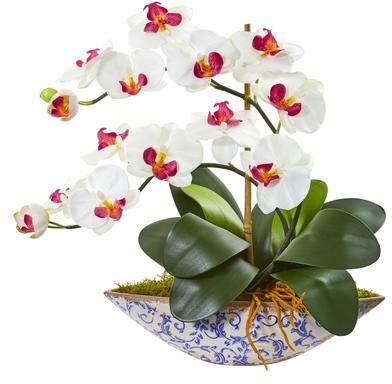
Nearly Natural Phalaenopsis Orchid Artificial Arrangement in VaseThe realistic brilliant blooms of this phalaenopsis orchid artificial arrangement arch gracefully up and over glossy leaves, all settled in a printed decorative vase that's filled with faux green moss.87,99 $*Shipping: 0,00 $Secure redirect to the provider


-
Is my orchid moldy?
To determine if your orchid is moldy, look for any fuzzy, discolored patches on the leaves or roots. Mold on orchids is usually white or grayish in color and can spread quickly if not treated. If you suspect mold on your orchid, gently wipe the affected areas with a cotton swab dipped in rubbing alcohol to remove it. Ensure proper air circulation and avoid overwatering to prevent mold growth in the future. **
-
Is my orchid broken?
Orchids are delicate plants and can be easily damaged, but they are not typically considered "broken" in the same way that objects can be. If your orchid is showing signs of damage such as wilting leaves, yellowing or browning of the leaves, or a lack of new growth, it may be a sign that something is wrong with the plant. It's important to assess the care conditions such as light, water, and humidity levels to determine the cause of the issue and take appropriate steps to help your orchid recover. **
-
What are orchid stems?
Orchid stems are the long, slender, and often leafless structures that support the flowers and leaves of the orchid plant. They are typically green and can be either upright or trailing, depending on the species. Orchid stems are important for providing structural support to the plant and for transporting water and nutrients to the flowers and leaves. In some orchid species, the stems also store water and nutrients, helping the plant to survive in dry or nutrient-poor environments. **
-
Why is the orchid dying?
The orchid may be dying due to a lack of proper care and maintenance. This could include issues such as overwatering, underwatering, inadequate sunlight, or incorrect temperature levels. It is important to assess the plant's environment and make adjustments accordingly to help revive the orchid. Additionally, checking for any signs of disease or pests is also crucial in determining the cause of the orchid's decline. **
Is the orchid almost dead?
Without more context or information, it is difficult to determine if the orchid is almost dead. Signs that an orchid may be dying include yellowing or wilting leaves, lack of new growth, and a mushy or rotten smell coming from the roots. It is important to assess the overall health of the plant, including its roots, leaves, and overall appearance, to determine if it is close to death. If in doubt, it is best to consult with a plant expert or horticulturist for guidance on how to revive the orchid. **
Why is my orchid dying?
There are several reasons why an orchid may be dying, including overwatering, underwatering, inadequate light, improper temperature, or pests. It's important to assess the care routine you have been providing for your orchid and make adjustments accordingly. Check the roots for any signs of rot or dehydration, ensure the orchid is receiving the right amount of light, and address any pest issues promptly. With proper care and attention, you may be able to revive your orchid and help it thrive again. **
Top-Angebote
Products related to Nearly-Natural-28-Orchid:
-
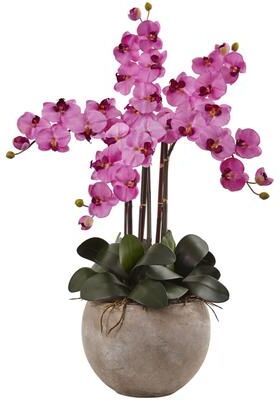
Nearly Natural "28"" Orchid Phalaenopsis Artificial Flower Stem (Set of 6)""Personalize your wedding decor scheme with this set of six artificial phalaenopsis orchid stems. Standing 28"" tall, each stems features a collection of intricately designed flowers in bold, natural hues."61,10 $*Shipping: 0,00 $Secure redirect to the provider
-
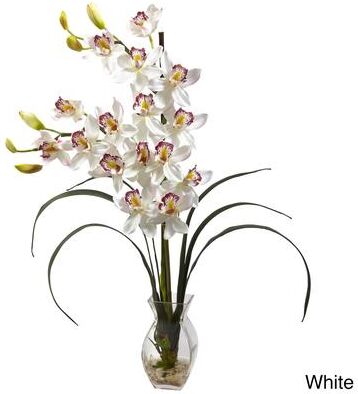
Nearly Natural "45"" Cymbidium Orchid Artificial Plant"Imbue your home with the beautiful impact that comes with an artificial cymnbidium orchid plant. This easy-care plant brings a fresh garden airiness to a console table or outdoor patio space.92,54 $*Shipping: 0,00 $Secure redirect to the provider
-
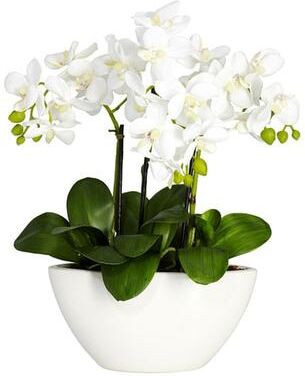
Nearly Natural Phalaenopsis Orchid Artificial Arrangement in VaseThe realistic brilliant blooms of this phalaenopsis orchid artificial arrangement arch gracefully up and over glossy leaves, all settled in a printed decorative vase that's filled with faux green moss.87,99 $*Shipping: 0,00 $Secure redirect to the provider
-
Can I save a nearly dried out orchid?
Yes, it is possible to save a nearly dried out orchid. First, carefully remove the orchid from its pot and inspect the roots. Trim any dead or rotting roots and soak the remaining healthy roots in water for a few hours. Then repot the orchid in fresh, well-draining potting mix and place it in a location with indirect sunlight. Water the orchid sparingly, allowing the potting mix to dry out slightly between waterings. With proper care and attention, the orchid has a good chance of recovering and thriving. **
-
How can I motivate myself to learn natural sciences, history, and culture?
To motivate yourself to learn natural sciences, history, and culture, you can start by setting specific and achievable goals for each subject. Break down the topics into smaller, manageable chunks and reward yourself when you reach each milestone. Additionally, find ways to make the learning process enjoyable, such as watching documentaries, visiting museums, or participating in hands-on experiments. Surrounding yourself with like-minded individuals who share your interests can also provide motivation and support. Finally, remind yourself of the value of gaining knowledge in these areas and how it can contribute to your personal and intellectual growth. **
-
Is my orchid moldy?
To determine if your orchid is moldy, look for any fuzzy, discolored patches on the leaves or roots. Mold on orchids is usually white or grayish in color and can spread quickly if not treated. If you suspect mold on your orchid, gently wipe the affected areas with a cotton swab dipped in rubbing alcohol to remove it. Ensure proper air circulation and avoid overwatering to prevent mold growth in the future. **
-
Is my orchid broken?
Orchids are delicate plants and can be easily damaged, but they are not typically considered "broken" in the same way that objects can be. If your orchid is showing signs of damage such as wilting leaves, yellowing or browning of the leaves, or a lack of new growth, it may be a sign that something is wrong with the plant. It's important to assess the care conditions such as light, water, and humidity levels to determine the cause of the issue and take appropriate steps to help your orchid recover. **
Similar search terms for Nearly-Natural-28-Orchid
-
Nearly Natural Cymbidium Orchid and Vase Floral ArrangementThis incredibly elegant floral arrangement features a spray of cymbidium orchid blossoms amid bright green leaves for a striking combination of color and texture that will lend a cheerful tone to any room in your home or office.71,19 $*Shipping: 0,00 $Secure redirect to the provider
-
What are orchid stems?
Orchid stems are the long, slender, and often leafless structures that support the flowers and leaves of the orchid plant. They are typically green and can be either upright or trailing, depending on the species. Orchid stems are important for providing structural support to the plant and for transporting water and nutrients to the flowers and leaves. In some orchid species, the stems also store water and nutrients, helping the plant to survive in dry or nutrient-poor environments. **
-
Why is the orchid dying?
The orchid may be dying due to a lack of proper care and maintenance. This could include issues such as overwatering, underwatering, inadequate sunlight, or incorrect temperature levels. It is important to assess the plant's environment and make adjustments accordingly to help revive the orchid. Additionally, checking for any signs of disease or pests is also crucial in determining the cause of the orchid's decline. **
-
Is the orchid almost dead?
Without more context or information, it is difficult to determine if the orchid is almost dead. Signs that an orchid may be dying include yellowing or wilting leaves, lack of new growth, and a mushy or rotten smell coming from the roots. It is important to assess the overall health of the plant, including its roots, leaves, and overall appearance, to determine if it is close to death. If in doubt, it is best to consult with a plant expert or horticulturist for guidance on how to revive the orchid. **
-
Why is my orchid dying?
There are several reasons why an orchid may be dying, including overwatering, underwatering, inadequate light, improper temperature, or pests. It's important to assess the care routine you have been providing for your orchid and make adjustments accordingly. Check the roots for any signs of rot or dehydration, ensure the orchid is receiving the right amount of light, and address any pest issues promptly. With proper care and attention, you may be able to revive your orchid and help it thrive again. **
* All prices are inclusive of VAT and, if applicable, plus shipping costs. The offer information is based on the details provided by the respective shop and is updated through automated processes. Real-time updates do not occur, so deviations can occur in individual cases. ** Note: Parts of this content were created by AI.