Buy greatpoland.eu ?
We are moving the project
greatpoland.eu .
Are you interested in purchasing the domain
greatpoland.eu ?
domain@kv-gmbh.de · 0541-91531010
Buy greatpoland.eu ?
Should Germany develop nuclear missiles?
As a language model AI, I don't have personal opinions. However, the decision for Germany to develop nuclear missiles is a complex and sensitive issue. Germany has a long-standing commitment to non-proliferation and disarmament, and any decision to develop nuclear missiles would have significant implications for international security and stability. It would be important for Germany to carefully consider the potential consequences and engage in open and transparent dialogue with its allies and the international community before making such a decision. **
Can nuclear missiles be launched?
Yes, nuclear missiles can be launched by a country that possesses them. However, the decision to launch a nuclear missile is typically made at the highest levels of government and is subject to strict protocols and procedures. The use of nuclear weapons is governed by international law and treaties, and their use is considered a last resort due to the catastrophic consequences of nuclear warfare. The launch of nuclear missiles is a highly sensitive and regulated process, and is subject to strict command and control measures to prevent unauthorized or accidental use. **


Similar search terms for Missiles
Top-Angebote
Products related to Missiles:
-
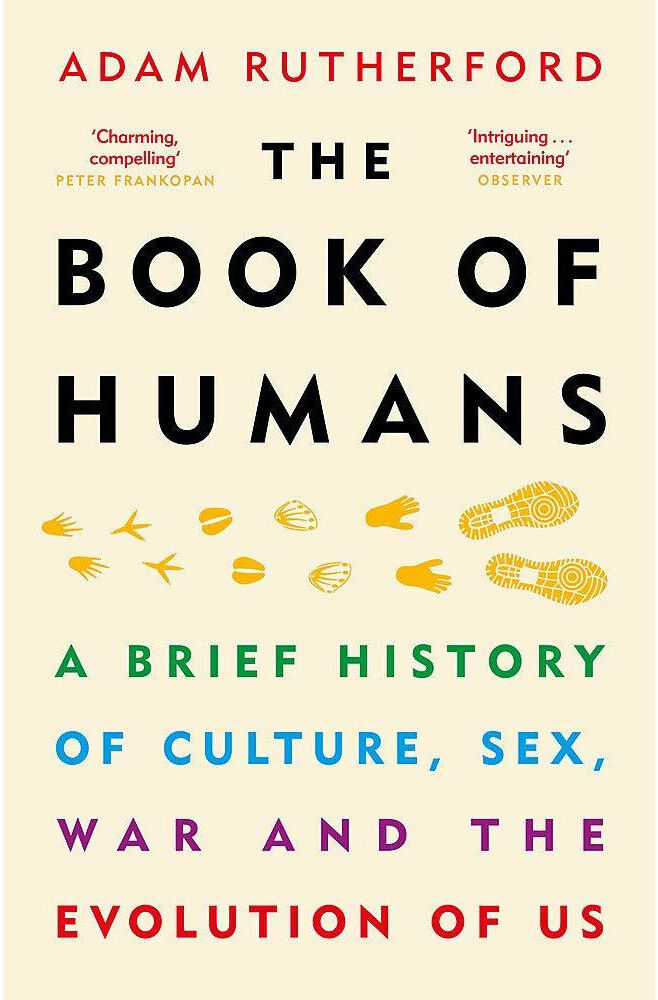
Orion The Book of Humans by Adam Rutherford – A Brief History of Culture, Sex, War & EvolutionWHAT MAKES US HUMAN? Waging war? Sex for pleasure? Creating art? Mastery of fire? In this thrilling tour of the animal kingdom, Adam Rutherford tells the story of how we became the unique creatures we are today. Illuminated by the latest scientific discoveries, THE BOOK OF HUMANS is a dazzling compendium of what unequivocally fixes us as animals, and reveals how we are extraordinary among them.4,98 £*Shipping: 1,99 £Secure redirect to the provider
-
Timeline Refresh 2026 - Clutch Box by Zygomatic, Card Game for 2-4 Players, Ages 10+, History and Culture TriviaTest your knowledge of history, culture, and everyday events with Timeline Refresh 2026, a compact card game for family and friends. Each round challenges players to place event cards in the correct chronological position, using the timeline already on the table as their guide. Choose an event card, estimate when it happened, and add it to the timeline. If your placement is correct, the card remains in play; if not, it is removed. The first player to position all their cards correctly wins. The game's accessible rules and varied subject matter make it an engaging way to challenge your memory and learn interesting facts while playing. The clutch box format is designed for convenient storage and portability.10,59 £*Shipping: 3,95 £Secure redirect to the provider
-
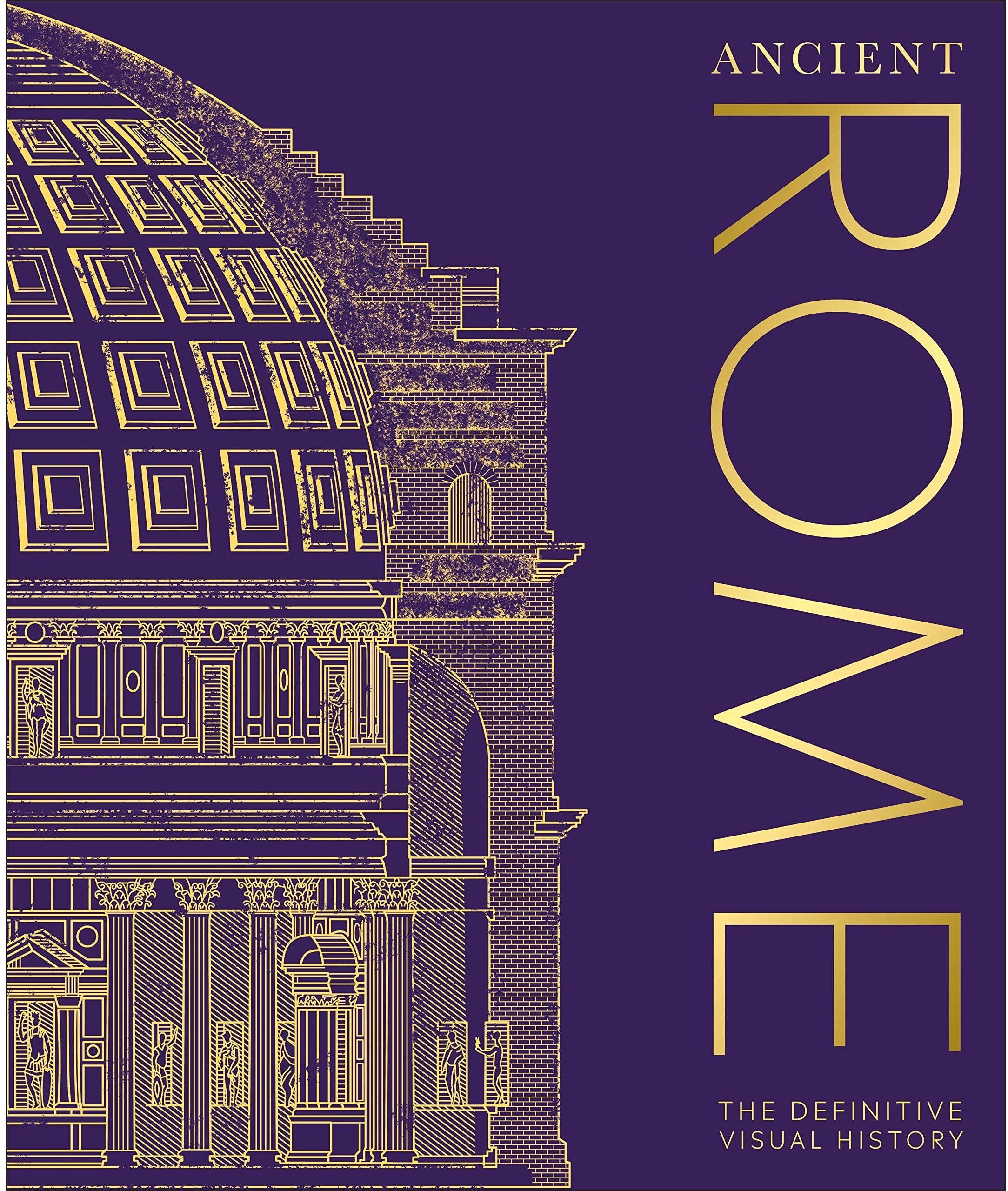
Ancient Rome: The Definitive Visual History (DK Classic History)Immerse yourself in the history of ancient Rome - from its origins as a small settlement on the Palatine Hill to its peak as an empire reigning over 90 million people, and its tumultuous decline. Covering more than 1,000 years of history, and an empire that stretched from Scotland to Syria, Ancient Rome reveals in vivid detail all of the key political, cultural, and military events that shaped the Roman Empire and explores what it was like to live in a society that laid the foundations for many aspects of the modern world. Sumptuous photography and engaging text cover every facet of life in ancient Rome, from art, entertainment, and fashion to engineering, medicine, and war, while detailed maps trace the rise of the mighty Roman Empire. Step back in time in the pages of this history book to discover:- Themed spreads explore developments in areas such as sculpture, religion, warfare, and engineering. - Includes tales of the most dramatic events and battles in Roman history, as well as profiles of influential historical and cultural figures. - An optional 80pp reference section includes sections on rulers, gods and goddesses, and key sites. Featuring Rome's greatest emperors, from Augustus to Constantine, as well as profiles of generals, historians, and influential women, Ancient Rome also delves into the fascinating stories of gladiators, bakers, and enslaved people. The most iconic buildings of Rome are brought to life with specially commissioned CGI recreations, while the stories of ordinary citizens, soldiers, and persecuted groups from across the empire are told with the help of illustrations, artefacts, and eyewitness accounts. Beautifully illustrated and unparalleled in scope, Ancient Rome is the perfect book for anyone who is interested in this defining period of world history.19,95 £*Shipping: 2,99 £Secure redirect to the provider
-
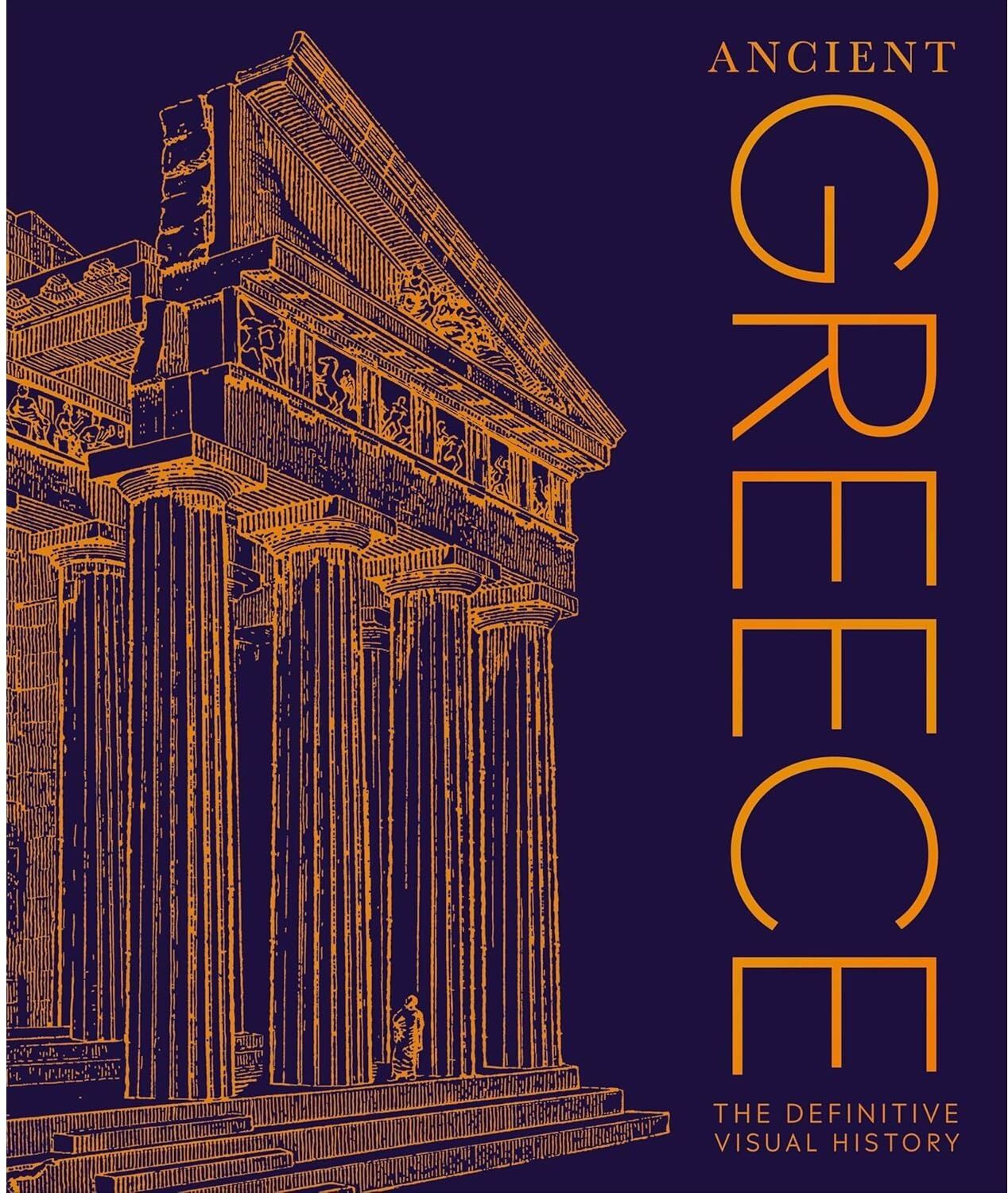
Ancient Greece: The Definitive Visual History (DK Classic History)Embark upon a fascinating journey through ancient Greece – from its rise and fall to its lasting legacy throughout the Western world. Spanning more than 3,000 years, Ancient Greece explores the tumultuous history of this glorious empire in vivid detail – from its Minoan and Mycenaean origins to the apogee of the warring city-states of Athens and Sparta, and from the death of its most charismatic leader, Alexander the Great, to its ultimate defeat by Rome. Sumptuous photography and authoritative, engaging text cover every facet of life in ancient Greece, from art, entertainment, and schools of thought to politics, medicine, and war, while the myths and religious beliefs of the ancient culture are explored and explained in depth. Greece’s military and political power shines through in fascinating maps of its legendary battles. Buried palaces and the Athenian Agora where Plato and Socrates discussed philosophy are brought back to life with stunning CGI artworks. And the stories of everyone from ordinary citizens to lawmakers and the first Olympic athletes are retold through eyewitness accounts and original artefacts.19,99 £*Shipping: 2,99 £Secure redirect to the provider

-
Why are there no nuclear missiles?
There are no nuclear missiles because of international agreements and treaties aimed at preventing the proliferation of nuclear weapons. Countries have agreed to limit the development and deployment of nuclear weapons to maintain global security and prevent the devastating consequences of nuclear war. Additionally, the use of nuclear weapons is highly regulated and controlled by international bodies to reduce the risk of their use in conflicts. Overall, the absence of nuclear missiles is a result of efforts to promote peace and stability in the world. **
-
Why were nuclear-powered missiles not successful?
Nuclear-powered missiles were not successful for several reasons. First, the technology required to safely and reliably harness nuclear power for propulsion was not fully developed at the time. Additionally, the potential risks and dangers associated with nuclear-powered missiles, such as the possibility of a catastrophic accident or the spread of radioactive contamination, raised significant concerns. Furthermore, the high cost and complexity of developing and maintaining nuclear-powered missiles made them less practical compared to other propulsion systems. As a result, these challenges ultimately led to the limited success and eventual abandonment of nuclear-powered missiles. **
-
Why were nuclear-powered missiles not able to prevail?
Nuclear-powered missiles did not prevail primarily due to concerns over safety and environmental risks associated with nuclear technology. The potential for accidents or malfunctions leading to nuclear disasters was a significant deterrent. Additionally, the high costs of developing and maintaining nuclear-powered missiles made them less practical compared to conventional missile systems. The global push for nuclear disarmament and non-proliferation efforts also played a role in limiting the use and proliferation of nuclear-powered missiles. **
-
Were there missile silos for nuclear missiles in Germany?
Yes, during the Cold War, Germany was home to missile silos for nuclear missiles. These missile silos were part of NATO's strategy to deter potential aggression from the Soviet Union. The presence of these missile silos in Germany was a significant factor in the tensions between NATO and the Warsaw Pact countries during the Cold War. **


Does every country possess ballistic missiles in their military?
No, not every country possesses ballistic missiles in their military. Ballistic missiles are advanced and expensive weapons, and not all countries have the capability or resources to develop and maintain them. Additionally, some countries may choose not to pursue ballistic missile technology due to international agreements or diplomatic considerations. Therefore, the possession of ballistic missiles varies widely among different countries. **
What is the name of the movie about nuclear missiles?
The name of the movie about nuclear missiles is "WarGames." This 1983 film follows a young computer whiz who accidentally hacks into a military supercomputer and almost starts World War III by simulating a nuclear missile attack. The movie explores the dangers of nuclear warfare and the potential consequences of technology falling into the wrong hands. **
Top-Angebote
Products related to Missiles:
-
From the Archives: Black History and Culture Value PackThis brand-new series is rooted in a profound commitment to shedding light on some of the important -- and often lesser-known -- aspects of Black history. From the Archives features landmarks, events, people, and artistic endeavors that have played...27,99 $*Shipping: 0,00 $Secure redirect to the provider
-
Orion The Book of Humans by Adam Rutherford – A Brief History of Culture, Sex, War & EvolutionWHAT MAKES US HUMAN? Waging war? Sex for pleasure? Creating art? Mastery of fire? In this thrilling tour of the animal kingdom, Adam Rutherford tells the story of how we became the unique creatures we are today. Illuminated by the latest scientific discoveries, THE BOOK OF HUMANS is a dazzling compendium of what unequivocally fixes us as animals, and reveals how we are extraordinary among them.4,98 £*Shipping: 1,99 £Secure redirect to the provider
-
Timeline Refresh 2026 - Clutch Box by Zygomatic, Card Game for 2-4 Players, Ages 10+, History and Culture TriviaTest your knowledge of history, culture, and everyday events with Timeline Refresh 2026, a compact card game for family and friends. Each round challenges players to place event cards in the correct chronological position, using the timeline already on the table as their guide. Choose an event card, estimate when it happened, and add it to the timeline. If your placement is correct, the card remains in play; if not, it is removed. The first player to position all their cards correctly wins. The game's accessible rules and varied subject matter make it an engaging way to challenge your memory and learn interesting facts while playing. The clutch box format is designed for convenient storage and portability.10,59 £*Shipping: 3,95 £Secure redirect to the provider
-
Should Germany develop nuclear missiles?
As a language model AI, I don't have personal opinions. However, the decision for Germany to develop nuclear missiles is a complex and sensitive issue. Germany has a long-standing commitment to non-proliferation and disarmament, and any decision to develop nuclear missiles would have significant implications for international security and stability. It would be important for Germany to carefully consider the potential consequences and engage in open and transparent dialogue with its allies and the international community before making such a decision. **
-
Can nuclear missiles be launched?
Yes, nuclear missiles can be launched by a country that possesses them. However, the decision to launch a nuclear missile is typically made at the highest levels of government and is subject to strict protocols and procedures. The use of nuclear weapons is governed by international law and treaties, and their use is considered a last resort due to the catastrophic consequences of nuclear warfare. The launch of nuclear missiles is a highly sensitive and regulated process, and is subject to strict command and control measures to prevent unauthorized or accidental use. **
-
Why are there no nuclear missiles?
There are no nuclear missiles because of international agreements and treaties aimed at preventing the proliferation of nuclear weapons. Countries have agreed to limit the development and deployment of nuclear weapons to maintain global security and prevent the devastating consequences of nuclear war. Additionally, the use of nuclear weapons is highly regulated and controlled by international bodies to reduce the risk of their use in conflicts. Overall, the absence of nuclear missiles is a result of efforts to promote peace and stability in the world. **
-
Why were nuclear-powered missiles not successful?
Nuclear-powered missiles were not successful for several reasons. First, the technology required to safely and reliably harness nuclear power for propulsion was not fully developed at the time. Additionally, the potential risks and dangers associated with nuclear-powered missiles, such as the possibility of a catastrophic accident or the spread of radioactive contamination, raised significant concerns. Furthermore, the high cost and complexity of developing and maintaining nuclear-powered missiles made them less practical compared to other propulsion systems. As a result, these challenges ultimately led to the limited success and eventual abandonment of nuclear-powered missiles. **
Similar search terms for Missiles
-
Ancient Rome: The Definitive Visual History (DK Classic History)Immerse yourself in the history of ancient Rome - from its origins as a small settlement on the Palatine Hill to its peak as an empire reigning over 90 million people, and its tumultuous decline. Covering more than 1,000 years of history, and an empire that stretched from Scotland to Syria, Ancient Rome reveals in vivid detail all of the key political, cultural, and military events that shaped the Roman Empire and explores what it was like to live in a society that laid the foundations for many aspects of the modern world. Sumptuous photography and engaging text cover every facet of life in ancient Rome, from art, entertainment, and fashion to engineering, medicine, and war, while detailed maps trace the rise of the mighty Roman Empire. Step back in time in the pages of this history book to discover:- Themed spreads explore developments in areas such as sculpture, religion, warfare, and engineering. - Includes tales of the most dramatic events and battles in Roman history, as well as profiles of influential historical and cultural figures. - An optional 80pp reference section includes sections on rulers, gods and goddesses, and key sites. Featuring Rome's greatest emperors, from Augustus to Constantine, as well as profiles of generals, historians, and influential women, Ancient Rome also delves into the fascinating stories of gladiators, bakers, and enslaved people. The most iconic buildings of Rome are brought to life with specially commissioned CGI recreations, while the stories of ordinary citizens, soldiers, and persecuted groups from across the empire are told with the help of illustrations, artefacts, and eyewitness accounts. Beautifully illustrated and unparalleled in scope, Ancient Rome is the perfect book for anyone who is interested in this defining period of world history.19,95 £*Shipping: 2,99 £Secure redirect to the provider
-
Ancient Greece: The Definitive Visual History (DK Classic History)Embark upon a fascinating journey through ancient Greece – from its rise and fall to its lasting legacy throughout the Western world. Spanning more than 3,000 years, Ancient Greece explores the tumultuous history of this glorious empire in vivid detail – from its Minoan and Mycenaean origins to the apogee of the warring city-states of Athens and Sparta, and from the death of its most charismatic leader, Alexander the Great, to its ultimate defeat by Rome. Sumptuous photography and authoritative, engaging text cover every facet of life in ancient Greece, from art, entertainment, and schools of thought to politics, medicine, and war, while the myths and religious beliefs of the ancient culture are explored and explained in depth. Greece’s military and political power shines through in fascinating maps of its legendary battles. Buried palaces and the Athenian Agora where Plato and Socrates discussed philosophy are brought back to life with stunning CGI artworks. And the stories of everyone from ordinary citizens to lawmakers and the first Olympic athletes are retold through eyewitness accounts and original artefacts.19,99 £*Shipping: 2,99 £Secure redirect to the provider
-
Why were nuclear-powered missiles not able to prevail?
Nuclear-powered missiles did not prevail primarily due to concerns over safety and environmental risks associated with nuclear technology. The potential for accidents or malfunctions leading to nuclear disasters was a significant deterrent. Additionally, the high costs of developing and maintaining nuclear-powered missiles made them less practical compared to conventional missile systems. The global push for nuclear disarmament and non-proliferation efforts also played a role in limiting the use and proliferation of nuclear-powered missiles. **
-
Were there missile silos for nuclear missiles in Germany?
Yes, during the Cold War, Germany was home to missile silos for nuclear missiles. These missile silos were part of NATO's strategy to deter potential aggression from the Soviet Union. The presence of these missile silos in Germany was a significant factor in the tensions between NATO and the Warsaw Pact countries during the Cold War. **
-
Does every country possess ballistic missiles in their military?
No, not every country possesses ballistic missiles in their military. Ballistic missiles are advanced and expensive weapons, and not all countries have the capability or resources to develop and maintain them. Additionally, some countries may choose not to pursue ballistic missile technology due to international agreements or diplomatic considerations. Therefore, the possession of ballistic missiles varies widely among different countries. **
-
What is the name of the movie about nuclear missiles?
The name of the movie about nuclear missiles is "WarGames." This 1983 film follows a young computer whiz who accidentally hacks into a military supercomputer and almost starts World War III by simulating a nuclear missile attack. The movie explores the dangers of nuclear warfare and the potential consequences of technology falling into the wrong hands. **
* All prices are inclusive of VAT and, if applicable, plus shipping costs. The offer information is based on the details provided by the respective shop and is updated through automated processes. Real-time updates do not occur, so deviations can occur in individual cases. ** Note: Parts of this content were created by AI.