Buy greatpoland.eu ?
We are moving the project
greatpoland.eu .
Are you interested in purchasing the domain
greatpoland.eu ?
domain@kv-gmbh.de · 0541-91531010
Buy greatpoland.eu ?
What is the Metternich system?
The Metternich system, also known as the Concert of Europe, was a system of international diplomacy established in the early 19th century by Austrian statesman Klemens von Metternich. It aimed to maintain the balance of power in Europe and prevent the spread of revolutionary movements following the Napoleonic Wars. The system relied on regular conferences between the major European powers to address issues and conflicts, with the goal of preserving the status quo and preventing major wars. The Metternich system was successful in maintaining peace in Europe for several decades, but eventually collapsed due to changing political dynamics and the rise of nationalism. **
What is the Metternich System?
The Metternich System, also known as the Congress System, was a series of international conferences and agreements organized by Austrian statesman Klemens von Metternich in the early 19th century. The system aimed to maintain the balance of power in Europe and prevent the spread of revolutionary ideas following the Napoleonic Wars. It emphasized conservatism, monarchism, and the suppression of liberal and nationalist movements. The Metternich System ultimately collapsed due to the rise of nationalism and the inability of the great powers to maintain control over the changing political landscape in Europe. **


Similar search terms for Metternich
Top-Angebote
Products related to Metternich:
-
Timeline Refresh 2026 - Clutch Box by Zygomatic, Card Game for 2-4 Players, Ages 10+, History and Culture TriviaTest your knowledge of history, culture, and everyday events with Timeline Refresh 2026, a compact card game for family and friends. Each round challenges players to place event cards in the correct chronological position, using the timeline already on the table as their guide. Choose an event card, estimate when it happened, and add it to the timeline. If your placement is correct, the card remains in play; if not, it is removed. The first player to position all their cards correctly wins. The game's accessible rules and varied subject matter make it an engaging way to challenge your memory and learn interesting facts while playing. The clutch box format is designed for convenient storage and portability.10,59 £*Shipping: 3,95 £Secure redirect to the provider
-
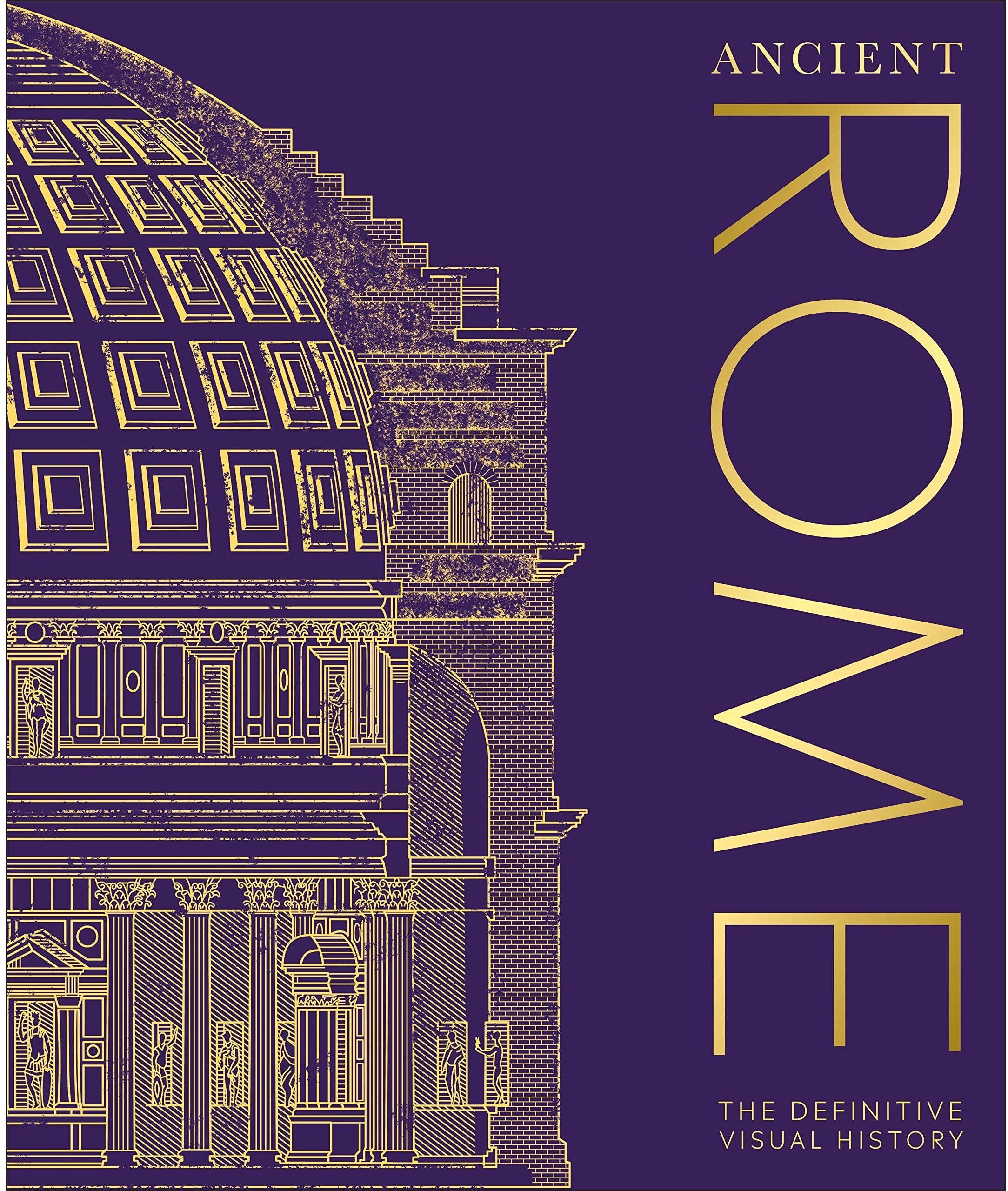
Ancient Rome: The Definitive Visual History (DK Classic History)Immerse yourself in the history of ancient Rome - from its origins as a small settlement on the Palatine Hill to its peak as an empire reigning over 90 million people, and its tumultuous decline. Covering more than 1,000 years of history, and an empire that stretched from Scotland to Syria, Ancient Rome reveals in vivid detail all of the key political, cultural, and military events that shaped the Roman Empire and explores what it was like to live in a society that laid the foundations for many aspects of the modern world. Sumptuous photography and engaging text cover every facet of life in ancient Rome, from art, entertainment, and fashion to engineering, medicine, and war, while detailed maps trace the rise of the mighty Roman Empire. Step back in time in the pages of this history book to discover:- Themed spreads explore developments in areas such as sculpture, religion, warfare, and engineering. - Includes tales of the most dramatic events and battles in Roman history, as well as profiles of influential historical and cultural figures. - An optional 80pp reference section includes sections on rulers, gods and goddesses, and key sites. Featuring Rome's greatest emperors, from Augustus to Constantine, as well as profiles of generals, historians, and influential women, Ancient Rome also delves into the fascinating stories of gladiators, bakers, and enslaved people. The most iconic buildings of Rome are brought to life with specially commissioned CGI recreations, while the stories of ordinary citizens, soldiers, and persecuted groups from across the empire are told with the help of illustrations, artefacts, and eyewitness accounts. Beautifully illustrated and unparalleled in scope, Ancient Rome is the perfect book for anyone who is interested in this defining period of world history.19,95 £*Shipping: 2,99 £Secure redirect to the provider
-
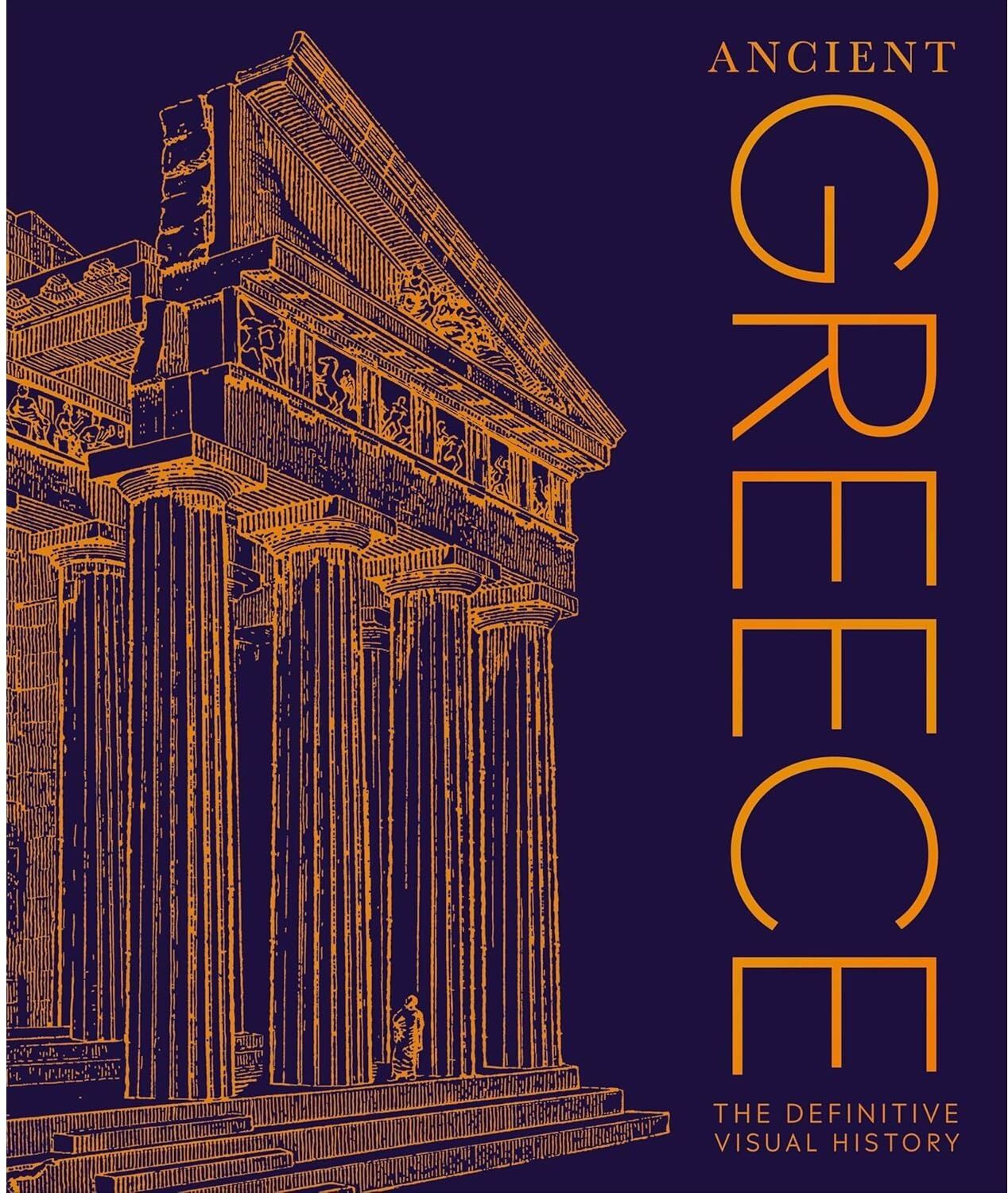
Ancient Greece: The Definitive Visual History (DK Classic History)Embark upon a fascinating journey through ancient Greece – from its rise and fall to its lasting legacy throughout the Western world. Spanning more than 3,000 years, Ancient Greece explores the tumultuous history of this glorious empire in vivid detail – from its Minoan and Mycenaean origins to the apogee of the warring city-states of Athens and Sparta, and from the death of its most charismatic leader, Alexander the Great, to its ultimate defeat by Rome. Sumptuous photography and authoritative, engaging text cover every facet of life in ancient Greece, from art, entertainment, and schools of thought to politics, medicine, and war, while the myths and religious beliefs of the ancient culture are explored and explained in depth. Greece’s military and political power shines through in fascinating maps of its legendary battles. Buried palaces and the Athenian Agora where Plato and Socrates discussed philosophy are brought back to life with stunning CGI artworks. And the stories of everyone from ordinary citizens to lawmakers and the first Olympic athletes are retold through eyewitness accounts and original artefacts.19,99 £*Shipping: 2,99 £Secure redirect to the provider


-
Was Metternich the Prince of Austria?
No, Metternich was not the Prince of Austria. He was an Austrian diplomat and statesman who served as the Foreign Minister of the Austrian Empire from 1809 to 1848. Metternich was a key figure in European politics during the early 19th century, known for his conservative and reactionary policies aimed at maintaining the status quo and suppressing liberal and nationalist movements. **
-
What is the connection between Metternich and the Burschenschaft?
Metternich, as the Austrian Chancellor, was a staunch conservative who opposed the liberal and nationalist ideals of the Burschenschaft, a student organization in early 19th century Germany. Metternich saw the Burschenschaft as a threat to the established order and sought to suppress their activities. He implemented repressive measures to crackdown on the Burschenschaft, including censorship and surveillance, and ultimately banned the organization in 1819. The conflict between Metternich and the Burschenschaft reflects the broader struggle between conservative and liberal forces in Europe during this period. **
-
What did Metternich understand by the preservation of what exists?
Metternich understood the preservation of what exists as maintaining the status quo and upholding the existing social, political, and economic structures. He believed in the importance of stability and order in society, and sought to prevent any radical changes or revolutions that could disrupt the established balance of power. Metternich's conservative approach aimed to protect the interests of the ruling elite and maintain the traditional hierarchical system in Europe. **
-
What exactly did Metternich achieve at the Congress of Vienna?
At the Congress of Vienna, Metternich, as the Austrian foreign minister, played a key role in shaping the post-Napoleonic order in Europe. He successfully advocated for the restoration of conservative monarchies and the balance of power among European nations. Metternich's main achievements at the Congress of Vienna included the establishment of the Concert of Europe, a system of regular diplomatic meetings to maintain peace and stability in Europe, and the creation of a new political map of Europe that aimed to prevent future conflicts. Additionally, Metternich's efforts helped to weaken revolutionary movements and promote stability and order in the aftermath of the Napoleonic Wars. **

What dangers did the national movement pose according to Metternich?
Metternich believed that the national movement posed several dangers to the established order of Europe. He saw it as a threat to the traditional monarchical system and feared that it would lead to the breakup of the multi-national empires, such as the Austrian and Russian empires. Metternich also believed that the national movement could incite internal unrest and rebellion within these empires, leading to instability and conflict. Additionally, he was concerned that the national movement would undermine the principle of legitimacy, which was central to the conservative order that he sought to maintain in Europe. **
What did Metternich understand by the preservation of the existing order?
Metternich understood the preservation of the existing order as maintaining the traditional monarchical system and social hierarchy that had been in place before the French Revolution. He believed in upholding the power of the ruling elites and suppressing any revolutionary movements that threatened the established order. Metternich's goal was to prevent any further disruptions to the balance of power in Europe and maintain stability through conservative policies and alliances among the major powers. **
Top-Angebote
Products related to Metternich:
-
From the Archives: Black History and Culture Value PackThis brand-new series is rooted in a profound commitment to shedding light on some of the important -- and often lesser-known -- aspects of Black history. From the Archives features landmarks, events, people, and artistic endeavors that have played...27,99 $*Shipping: 0,00 $Secure redirect to the provider
-
Orion The Book of Humans by Adam Rutherford – A Brief History of Culture, Sex, War & EvolutionWHAT MAKES US HUMAN? Waging war? Sex for pleasure? Creating art? Mastery of fire? In this thrilling tour of the animal kingdom, Adam Rutherford tells the story of how we became the unique creatures we are today. Illuminated by the latest scientific discoveries, THE BOOK OF HUMANS is a dazzling compendium of what unequivocally fixes us as animals, and reveals how we are extraordinary among them.4,98 £*Shipping: 1,99 £Secure redirect to the provider
-
Timeline Refresh 2026 - Clutch Box by Zygomatic, Card Game for 2-4 Players, Ages 10+, History and Culture TriviaTest your knowledge of history, culture, and everyday events with Timeline Refresh 2026, a compact card game for family and friends. Each round challenges players to place event cards in the correct chronological position, using the timeline already on the table as their guide. Choose an event card, estimate when it happened, and add it to the timeline. If your placement is correct, the card remains in play; if not, it is removed. The first player to position all their cards correctly wins. The game's accessible rules and varied subject matter make it an engaging way to challenge your memory and learn interesting facts while playing. The clutch box format is designed for convenient storage and portability.10,59 £*Shipping: 3,95 £Secure redirect to the provider
-
Ancient Rome: The Definitive Visual History (DK Classic History)Immerse yourself in the history of ancient Rome - from its origins as a small settlement on the Palatine Hill to its peak as an empire reigning over 90 million people, and its tumultuous decline. Covering more than 1,000 years of history, and an empire that stretched from Scotland to Syria, Ancient Rome reveals in vivid detail all of the key political, cultural, and military events that shaped the Roman Empire and explores what it was like to live in a society that laid the foundations for many aspects of the modern world. Sumptuous photography and engaging text cover every facet of life in ancient Rome, from art, entertainment, and fashion to engineering, medicine, and war, while detailed maps trace the rise of the mighty Roman Empire. Step back in time in the pages of this history book to discover:- Themed spreads explore developments in areas such as sculpture, religion, warfare, and engineering. - Includes tales of the most dramatic events and battles in Roman history, as well as profiles of influential historical and cultural figures. - An optional 80pp reference section includes sections on rulers, gods and goddesses, and key sites. Featuring Rome's greatest emperors, from Augustus to Constantine, as well as profiles of generals, historians, and influential women, Ancient Rome also delves into the fascinating stories of gladiators, bakers, and enslaved people. The most iconic buildings of Rome are brought to life with specially commissioned CGI recreations, while the stories of ordinary citizens, soldiers, and persecuted groups from across the empire are told with the help of illustrations, artefacts, and eyewitness accounts. Beautifully illustrated and unparalleled in scope, Ancient Rome is the perfect book for anyone who is interested in this defining period of world history.19,95 £*Shipping: 2,99 £Secure redirect to the provider
-
What is the Metternich system?
The Metternich system, also known as the Concert of Europe, was a system of international diplomacy established in the early 19th century by Austrian statesman Klemens von Metternich. It aimed to maintain the balance of power in Europe and prevent the spread of revolutionary movements following the Napoleonic Wars. The system relied on regular conferences between the major European powers to address issues and conflicts, with the goal of preserving the status quo and preventing major wars. The Metternich system was successful in maintaining peace in Europe for several decades, but eventually collapsed due to changing political dynamics and the rise of nationalism. **
-
What is the Metternich System?
The Metternich System, also known as the Congress System, was a series of international conferences and agreements organized by Austrian statesman Klemens von Metternich in the early 19th century. The system aimed to maintain the balance of power in Europe and prevent the spread of revolutionary ideas following the Napoleonic Wars. It emphasized conservatism, monarchism, and the suppression of liberal and nationalist movements. The Metternich System ultimately collapsed due to the rise of nationalism and the inability of the great powers to maintain control over the changing political landscape in Europe. **
-
Was Metternich the Prince of Austria?
No, Metternich was not the Prince of Austria. He was an Austrian diplomat and statesman who served as the Foreign Minister of the Austrian Empire from 1809 to 1848. Metternich was a key figure in European politics during the early 19th century, known for his conservative and reactionary policies aimed at maintaining the status quo and suppressing liberal and nationalist movements. **
-
What is the connection between Metternich and the Burschenschaft?
Metternich, as the Austrian Chancellor, was a staunch conservative who opposed the liberal and nationalist ideals of the Burschenschaft, a student organization in early 19th century Germany. Metternich saw the Burschenschaft as a threat to the established order and sought to suppress their activities. He implemented repressive measures to crackdown on the Burschenschaft, including censorship and surveillance, and ultimately banned the organization in 1819. The conflict between Metternich and the Burschenschaft reflects the broader struggle between conservative and liberal forces in Europe during this period. **
Similar search terms for Metternich
-
Ancient Greece: The Definitive Visual History (DK Classic History)Embark upon a fascinating journey through ancient Greece – from its rise and fall to its lasting legacy throughout the Western world. Spanning more than 3,000 years, Ancient Greece explores the tumultuous history of this glorious empire in vivid detail – from its Minoan and Mycenaean origins to the apogee of the warring city-states of Athens and Sparta, and from the death of its most charismatic leader, Alexander the Great, to its ultimate defeat by Rome. Sumptuous photography and authoritative, engaging text cover every facet of life in ancient Greece, from art, entertainment, and schools of thought to politics, medicine, and war, while the myths and religious beliefs of the ancient culture are explored and explained in depth. Greece’s military and political power shines through in fascinating maps of its legendary battles. Buried palaces and the Athenian Agora where Plato and Socrates discussed philosophy are brought back to life with stunning CGI artworks. And the stories of everyone from ordinary citizens to lawmakers and the first Olympic athletes are retold through eyewitness accounts and original artefacts.19,99 £*Shipping: 2,99 £Secure redirect to the provider
-
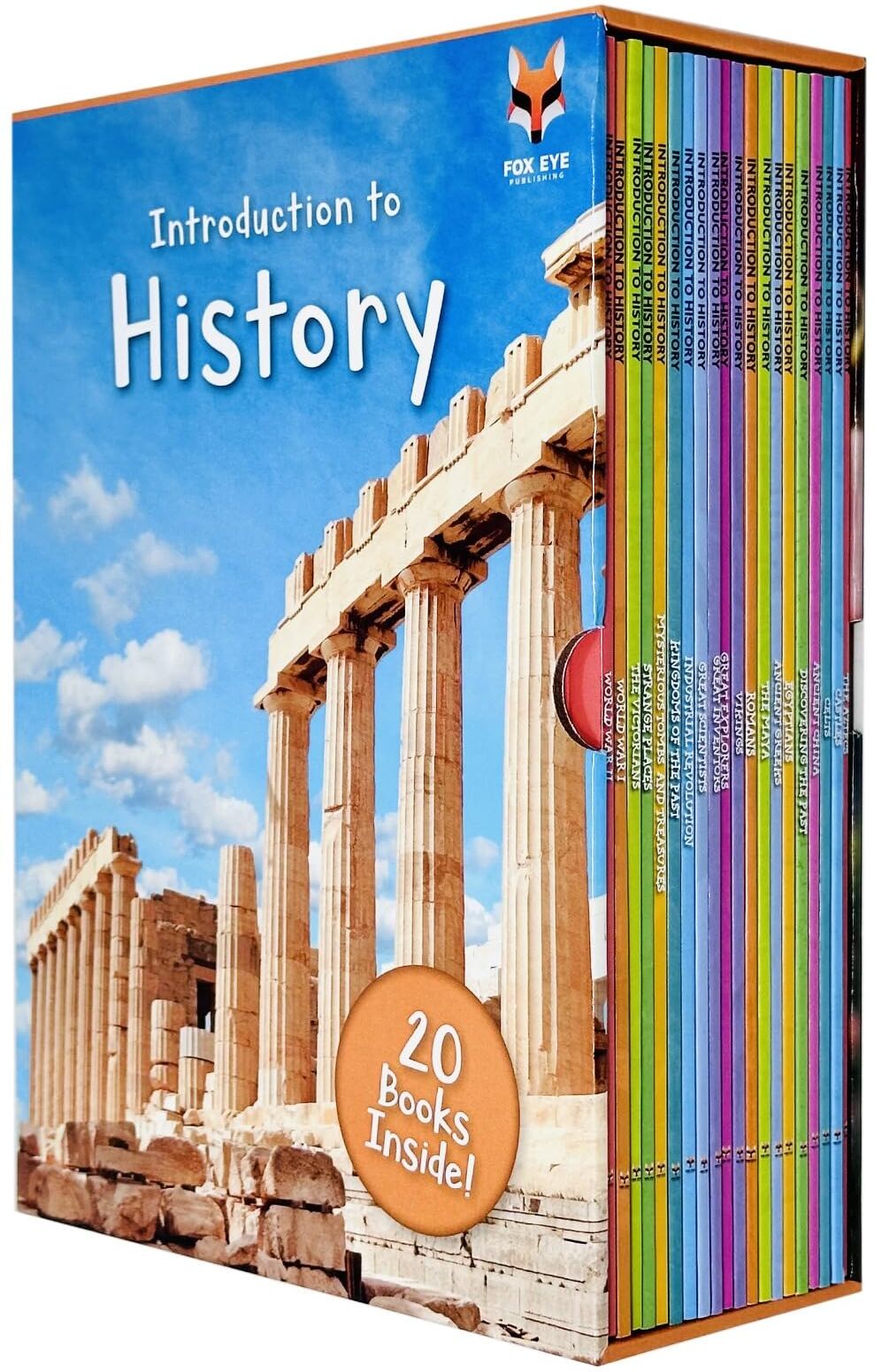
Fox Eye Publishing Introduction to History 20 Books Collection Box Set – Educational History Learning CollectionIntroduction to History 20 Books Collection Box Set (The Aztecs, Castles, Celts, Ancient China, Discovering the Past, Egyptians, Ancient Greeks, The Maya, Romans, Vikings, Great Explorers and More) Books in This Collection: Introduction to The Aztecs Introduction to Castles Introduction to Celts Introduction to Ancient China Introduction to Discovering the Past Introduction to Egyptians Introduction to Ancient Greeks Introduction to The Maya Introduction to Romans Introduction to Vikings Introduction to Great Explorers Introduction to Great Inventors Introduction to Great Scientists Introduction to Industrial Revolution Introduction to Kingdoms of the Past Introduction to Mysterious Tombs and Treasures Introduction to Strange Places Introduction to The Victorians Introduction to World War I Introduction to World War II12,99 £*Shipping: 2,99 £Secure redirect to the provider
-
What did Metternich understand by the preservation of what exists?
Metternich understood the preservation of what exists as maintaining the status quo and upholding the existing social, political, and economic structures. He believed in the importance of stability and order in society, and sought to prevent any radical changes or revolutions that could disrupt the established balance of power. Metternich's conservative approach aimed to protect the interests of the ruling elite and maintain the traditional hierarchical system in Europe. **
-
What exactly did Metternich achieve at the Congress of Vienna?
At the Congress of Vienna, Metternich, as the Austrian foreign minister, played a key role in shaping the post-Napoleonic order in Europe. He successfully advocated for the restoration of conservative monarchies and the balance of power among European nations. Metternich's main achievements at the Congress of Vienna included the establishment of the Concert of Europe, a system of regular diplomatic meetings to maintain peace and stability in Europe, and the creation of a new political map of Europe that aimed to prevent future conflicts. Additionally, Metternich's efforts helped to weaken revolutionary movements and promote stability and order in the aftermath of the Napoleonic Wars. **
-
What dangers did the national movement pose according to Metternich?
Metternich believed that the national movement posed several dangers to the established order of Europe. He saw it as a threat to the traditional monarchical system and feared that it would lead to the breakup of the multi-national empires, such as the Austrian and Russian empires. Metternich also believed that the national movement could incite internal unrest and rebellion within these empires, leading to instability and conflict. Additionally, he was concerned that the national movement would undermine the principle of legitimacy, which was central to the conservative order that he sought to maintain in Europe. **
-
What did Metternich understand by the preservation of the existing order?
Metternich understood the preservation of the existing order as maintaining the traditional monarchical system and social hierarchy that had been in place before the French Revolution. He believed in upholding the power of the ruling elites and suppressing any revolutionary movements that threatened the established order. Metternich's goal was to prevent any further disruptions to the balance of power in Europe and maintain stability through conservative policies and alliances among the major powers. **
* All prices are inclusive of VAT and, if applicable, plus shipping costs. The offer information is based on the details provided by the respective shop and is updated through automated processes. Real-time updates do not occur, so deviations can occur in individual cases. ** Note: Parts of this content were created by AI.