Buy greatpoland.eu ?
We are moving the project
greatpoland.eu .
Are you interested in purchasing the domain
greatpoland.eu ?
domain@kv-gmbh.de · 0541-91531010
Buy greatpoland.eu ?
When is the first manned Mars landing?
The first manned Mars landing is currently planned for the 2030s, with NASA aiming for the mid-2030s as a target date. **
Why doesn't the ESA have manned spacecraft?
The European Space Agency (ESA) does not have manned spacecraft because it has chosen to focus on unmanned missions and collaborations with other space agencies, such as NASA and Roscosmos, for human spaceflight. Developing and maintaining manned spacecraft is a complex and expensive endeavor, and the ESA has prioritized other areas of space exploration, such as robotic missions, Earth observation, and scientific research. Additionally, by collaborating with other space agencies, the ESA can participate in human spaceflight missions without the need for its own manned spacecraft. **


Similar search terms for Manned
Top-Angebote
Products related to Manned:
-
Timeline Refresh 2026 - Clutch Box by Zygomatic, Card Game for 2-4 Players, Ages 10+, History and Culture TriviaTest your knowledge of history, culture, and everyday events with Timeline Refresh 2026, a compact card game for family and friends. Each round challenges players to place event cards in the correct chronological position, using the timeline already on the table as their guide. Choose an event card, estimate when it happened, and add it to the timeline. If your placement is correct, the card remains in play; if not, it is removed. The first player to position all their cards correctly wins. The game's accessible rules and varied subject matter make it an engaging way to challenge your memory and learn interesting facts while playing. The clutch box format is designed for convenient storage and portability.10,09 £*Shipping: 3,95 £Secure redirect to the provider
-
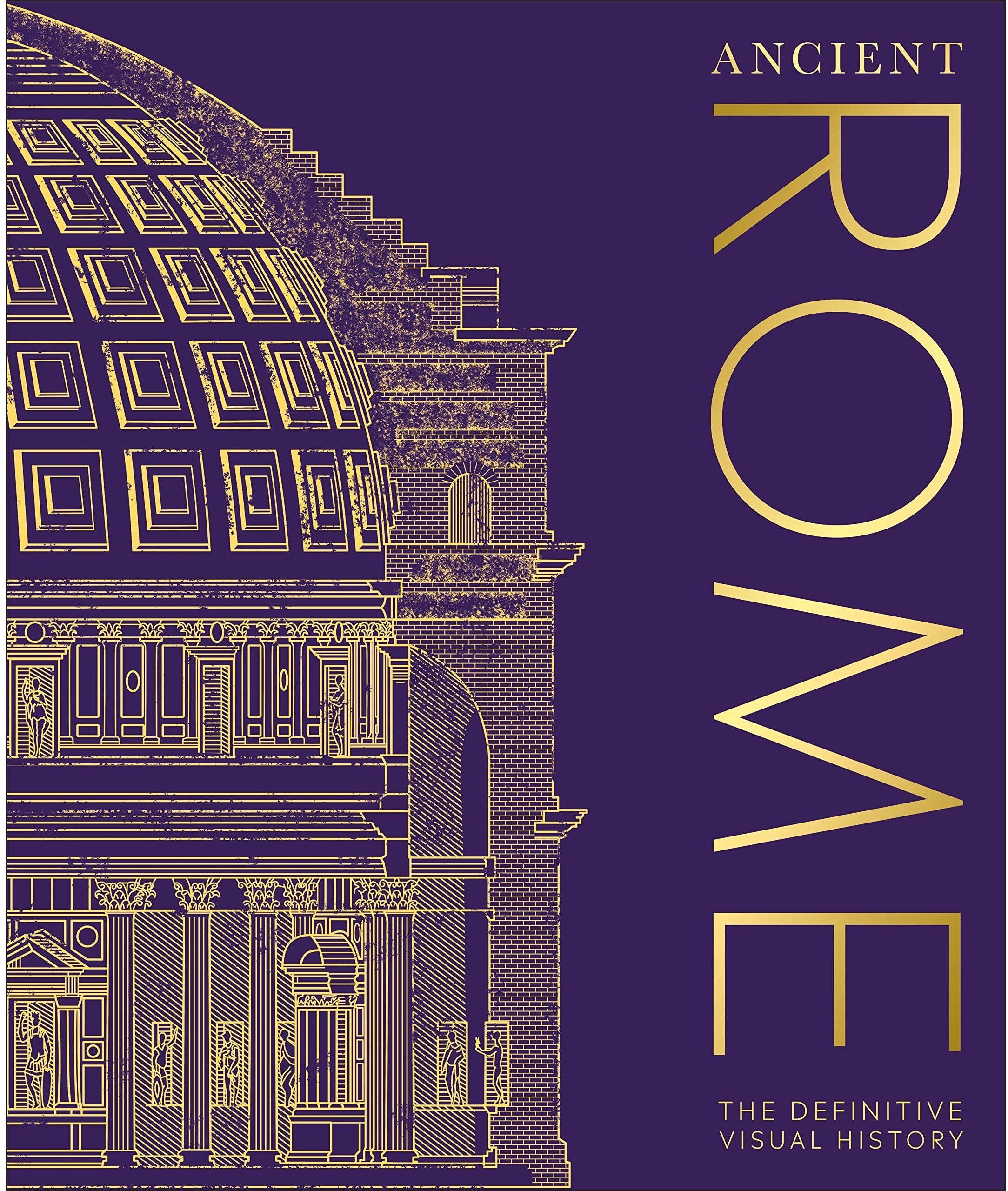
Ancient Rome: The Definitive Visual History (DK Classic History)Immerse yourself in the history of ancient Rome - from its origins as a small settlement on the Palatine Hill to its peak as an empire reigning over 90 million people, and its tumultuous decline. Covering more than 1,000 years of history, and an empire that stretched from Scotland to Syria, Ancient Rome reveals in vivid detail all of the key political, cultural, and military events that shaped the Roman Empire and explores what it was like to live in a society that laid the foundations for many aspects of the modern world. Sumptuous photography and engaging text cover every facet of life in ancient Rome, from art, entertainment, and fashion to engineering, medicine, and war, while detailed maps trace the rise of the mighty Roman Empire. Step back in time in the pages of this history book to discover:- Themed spreads explore developments in areas such as sculpture, religion, warfare, and engineering. - Includes tales of the most dramatic events and battles in Roman history, as well as profiles of influential historical and cultural figures. - An optional 80pp reference section includes sections on rulers, gods and goddesses, and key sites. Featuring Rome's greatest emperors, from Augustus to Constantine, as well as profiles of generals, historians, and influential women, Ancient Rome also delves into the fascinating stories of gladiators, bakers, and enslaved people. The most iconic buildings of Rome are brought to life with specially commissioned CGI recreations, while the stories of ordinary citizens, soldiers, and persecuted groups from across the empire are told with the help of illustrations, artefacts, and eyewitness accounts. Beautifully illustrated and unparalleled in scope, Ancient Rome is the perfect book for anyone who is interested in this defining period of world history.19,95 £*Shipping: 2,99 £Secure redirect to the provider
-
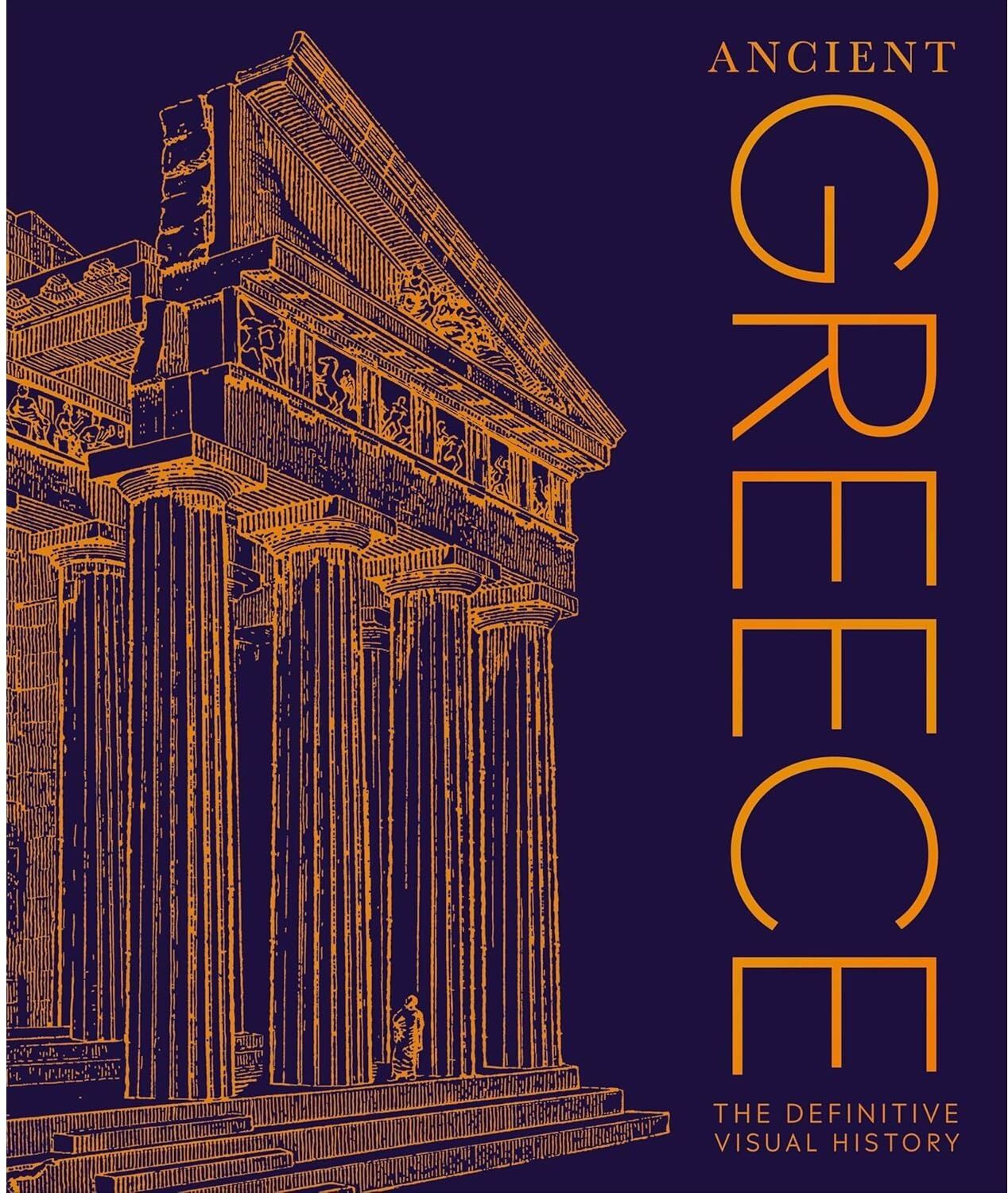
Ancient Greece: The Definitive Visual History (DK Classic History)Embark upon a fascinating journey through ancient Greece – from its rise and fall to its lasting legacy throughout the Western world. Spanning more than 3,000 years, Ancient Greece explores the tumultuous history of this glorious empire in vivid detail – from its Minoan and Mycenaean origins to the apogee of the warring city-states of Athens and Sparta, and from the death of its most charismatic leader, Alexander the Great, to its ultimate defeat by Rome. Sumptuous photography and authoritative, engaging text cover every facet of life in ancient Greece, from art, entertainment, and schools of thought to politics, medicine, and war, while the myths and religious beliefs of the ancient culture are explored and explained in depth. Greece’s military and political power shines through in fascinating maps of its legendary battles. Buried palaces and the Athenian Agora where Plato and Socrates discussed philosophy are brought back to life with stunning CGI artworks. And the stories of everyone from ordinary citizens to lawmakers and the first Olympic athletes are retold through eyewitness accounts and original artefacts.19,99 £*Shipping: 2,99 £Secure redirect to the provider


-
How much horsepower is necessary for manned flight?
The amount of horsepower necessary for manned flight depends on the type of aircraft and its intended use. For example, a small single-engine airplane may require around 100-200 horsepower for takeoff and cruising, while a larger commercial airliner may need tens of thousands of horsepower. Helicopters typically require less horsepower than fixed-wing aircraft due to their different flight mechanics. Ultimately, the necessary horsepower for manned flight is determined by the aircraft's weight, aerodynamic design, and performance requirements. **
-
Has the manned V1 rocket ever been used?
No, the manned V1 rocket has never been used. The V1 rocket, also known as the "buzz bomb," was an unmanned flying bomb developed and used by Nazi Germany during World War II. It was designed to be launched from a ground-based catapult and fly to its target using a simple guidance system. The V1 rocket was not designed for manned flight and was used solely as a weapon of war. **
-
What should a manned mission to Mars achieve?
A manned mission to Mars should aim to achieve several key objectives. Firstly, it should focus on advancing our understanding of the Martian environment and its potential for supporting life. Secondly, it should aim to conduct scientific research to further our knowledge of Mars' geology, atmosphere, and potential resources. Additionally, a manned mission to Mars should pave the way for future human colonization of the planet, by testing technologies and systems needed for long-duration space travel and habitation. Ultimately, the mission should contribute to humanity's broader goal of exploring and expanding our presence beyond Earth. **
-
Were there manned torpedoes in the World War?
Yes, there were manned torpedoes used in World War II. The Italian Navy developed a type of manned torpedo called the "Maiale" (Italian for "pig"), which was used to carry out underwater sabotage missions against enemy ships. These torpedoes were operated by a two-man crew and were used with great success in several daring and high-risk operations. The British also developed their own version of manned torpedoes, known as the "Chariot," which was used for similar purposes. **


When should a manned flight to Mars take place?
A manned flight to Mars should take place when the technology and resources are sufficiently advanced to ensure the safety and success of the mission. This includes having reliable spacecraft, life support systems, and the ability to sustain human life for an extended period of time in the harsh Martian environment. Additionally, thorough planning and preparation are essential to address potential challenges such as radiation exposure, long-duration space travel, and landing on Mars. It is important to prioritize the well-being of the astronauts and the overall success of the mission when determining the timing of a manned flight to Mars. **
What are the advantages and disadvantages of manned space exploration?
Manned space exploration allows for human presence and decision-making in space, enabling more complex and flexible missions. Astronauts can conduct experiments, repair equipment, and make real-time decisions that may be challenging for robots. However, manned missions are significantly more expensive and risky compared to robotic missions. Astronauts face health risks, such as exposure to radiation and microgravity effects, and the cost of ensuring their safety adds to the overall expense of manned space exploration. **
Top-Angebote
Products related to Manned:
-
From the Archives: Black History and Culture Value PackThis brand-new series is rooted in a profound commitment to shedding light on some of the important -- and often lesser-known -- aspects of Black history. From the Archives features landmarks, events, people, and artistic endeavors that have played...27,99 $*Shipping: 0,00 $Secure redirect to the provider
-
Orion The Book of Humans by Adam Rutherford – A Brief History of Culture, Sex, War & EvolutionWHAT MAKES US HUMAN? Waging war? Sex for pleasure? Creating art? Mastery of fire? In this thrilling tour of the animal kingdom, Adam Rutherford tells the story of how we became the unique creatures we are today. Illuminated by the latest scientific discoveries, THE BOOK OF HUMANS is a dazzling compendium of what unequivocally fixes us as animals, and reveals how we are extraordinary among them.4,98 £*Shipping: 1,99 £Secure redirect to the provider
-
Timeline Refresh 2026 - Clutch Box by Zygomatic, Card Game for 2-4 Players, Ages 10+, History and Culture TriviaTest your knowledge of history, culture, and everyday events with Timeline Refresh 2026, a compact card game for family and friends. Each round challenges players to place event cards in the correct chronological position, using the timeline already on the table as their guide. Choose an event card, estimate when it happened, and add it to the timeline. If your placement is correct, the card remains in play; if not, it is removed. The first player to position all their cards correctly wins. The game's accessible rules and varied subject matter make it an engaging way to challenge your memory and learn interesting facts while playing. The clutch box format is designed for convenient storage and portability.10,09 £*Shipping: 3,95 £Secure redirect to the provider
-
Ancient Rome: The Definitive Visual History (DK Classic History)Immerse yourself in the history of ancient Rome - from its origins as a small settlement on the Palatine Hill to its peak as an empire reigning over 90 million people, and its tumultuous decline. Covering more than 1,000 years of history, and an empire that stretched from Scotland to Syria, Ancient Rome reveals in vivid detail all of the key political, cultural, and military events that shaped the Roman Empire and explores what it was like to live in a society that laid the foundations for many aspects of the modern world. Sumptuous photography and engaging text cover every facet of life in ancient Rome, from art, entertainment, and fashion to engineering, medicine, and war, while detailed maps trace the rise of the mighty Roman Empire. Step back in time in the pages of this history book to discover:- Themed spreads explore developments in areas such as sculpture, religion, warfare, and engineering. - Includes tales of the most dramatic events and battles in Roman history, as well as profiles of influential historical and cultural figures. - An optional 80pp reference section includes sections on rulers, gods and goddesses, and key sites. Featuring Rome's greatest emperors, from Augustus to Constantine, as well as profiles of generals, historians, and influential women, Ancient Rome also delves into the fascinating stories of gladiators, bakers, and enslaved people. The most iconic buildings of Rome are brought to life with specially commissioned CGI recreations, while the stories of ordinary citizens, soldiers, and persecuted groups from across the empire are told with the help of illustrations, artefacts, and eyewitness accounts. Beautifully illustrated and unparalleled in scope, Ancient Rome is the perfect book for anyone who is interested in this defining period of world history.19,95 £*Shipping: 2,99 £Secure redirect to the provider
-
When is the first manned Mars landing?
The first manned Mars landing is currently planned for the 2030s, with NASA aiming for the mid-2030s as a target date. **
-
Why doesn't the ESA have manned spacecraft?
The European Space Agency (ESA) does not have manned spacecraft because it has chosen to focus on unmanned missions and collaborations with other space agencies, such as NASA and Roscosmos, for human spaceflight. Developing and maintaining manned spacecraft is a complex and expensive endeavor, and the ESA has prioritized other areas of space exploration, such as robotic missions, Earth observation, and scientific research. Additionally, by collaborating with other space agencies, the ESA can participate in human spaceflight missions without the need for its own manned spacecraft. **
-
How much horsepower is necessary for manned flight?
The amount of horsepower necessary for manned flight depends on the type of aircraft and its intended use. For example, a small single-engine airplane may require around 100-200 horsepower for takeoff and cruising, while a larger commercial airliner may need tens of thousands of horsepower. Helicopters typically require less horsepower than fixed-wing aircraft due to their different flight mechanics. Ultimately, the necessary horsepower for manned flight is determined by the aircraft's weight, aerodynamic design, and performance requirements. **
-
Has the manned V1 rocket ever been used?
No, the manned V1 rocket has never been used. The V1 rocket, also known as the "buzz bomb," was an unmanned flying bomb developed and used by Nazi Germany during World War II. It was designed to be launched from a ground-based catapult and fly to its target using a simple guidance system. The V1 rocket was not designed for manned flight and was used solely as a weapon of war. **
Similar search terms for Manned
-
Ancient Greece: The Definitive Visual History (DK Classic History)Embark upon a fascinating journey through ancient Greece – from its rise and fall to its lasting legacy throughout the Western world. Spanning more than 3,000 years, Ancient Greece explores the tumultuous history of this glorious empire in vivid detail – from its Minoan and Mycenaean origins to the apogee of the warring city-states of Athens and Sparta, and from the death of its most charismatic leader, Alexander the Great, to its ultimate defeat by Rome. Sumptuous photography and authoritative, engaging text cover every facet of life in ancient Greece, from art, entertainment, and schools of thought to politics, medicine, and war, while the myths and religious beliefs of the ancient culture are explored and explained in depth. Greece’s military and political power shines through in fascinating maps of its legendary battles. Buried palaces and the Athenian Agora where Plato and Socrates discussed philosophy are brought back to life with stunning CGI artworks. And the stories of everyone from ordinary citizens to lawmakers and the first Olympic athletes are retold through eyewitness accounts and original artefacts.19,99 £*Shipping: 2,99 £Secure redirect to the provider
-
Fox Eye Publishing Introduction to History 20 Books Collection Box Set – Educational History Learning CollectionIntroduction to History 20 Books Collection Box Set (The Aztecs, Castles, Celts, Ancient China, Discovering the Past, Egyptians, Ancient Greeks, The Maya, Romans, Vikings, Great Explorers and More) Books in This Collection: Introduction to The Aztecs Introduction to Castles Introduction to Celts Introduction to Ancient China Introduction to Discovering the Past Introduction to Egyptians Introduction to Ancient Greeks Introduction to The Maya Introduction to Romans Introduction to Vikings Introduction to Great Explorers Introduction to Great Inventors Introduction to Great Scientists Introduction to Industrial Revolution Introduction to Kingdoms of the Past Introduction to Mysterious Tombs and Treasures Introduction to Strange Places Introduction to The Victorians Introduction to World War I Introduction to World War II12,99 £*Shipping: 2,99 £Secure redirect to the provider
-
What should a manned mission to Mars achieve?
A manned mission to Mars should aim to achieve several key objectives. Firstly, it should focus on advancing our understanding of the Martian environment and its potential for supporting life. Secondly, it should aim to conduct scientific research to further our knowledge of Mars' geology, atmosphere, and potential resources. Additionally, a manned mission to Mars should pave the way for future human colonization of the planet, by testing technologies and systems needed for long-duration space travel and habitation. Ultimately, the mission should contribute to humanity's broader goal of exploring and expanding our presence beyond Earth. **
-
Were there manned torpedoes in the World War?
Yes, there were manned torpedoes used in World War II. The Italian Navy developed a type of manned torpedo called the "Maiale" (Italian for "pig"), which was used to carry out underwater sabotage missions against enemy ships. These torpedoes were operated by a two-man crew and were used with great success in several daring and high-risk operations. The British also developed their own version of manned torpedoes, known as the "Chariot," which was used for similar purposes. **
-
When should a manned flight to Mars take place?
A manned flight to Mars should take place when the technology and resources are sufficiently advanced to ensure the safety and success of the mission. This includes having reliable spacecraft, life support systems, and the ability to sustain human life for an extended period of time in the harsh Martian environment. Additionally, thorough planning and preparation are essential to address potential challenges such as radiation exposure, long-duration space travel, and landing on Mars. It is important to prioritize the well-being of the astronauts and the overall success of the mission when determining the timing of a manned flight to Mars. **
-
What are the advantages and disadvantages of manned space exploration?
Manned space exploration allows for human presence and decision-making in space, enabling more complex and flexible missions. Astronauts can conduct experiments, repair equipment, and make real-time decisions that may be challenging for robots. However, manned missions are significantly more expensive and risky compared to robotic missions. Astronauts face health risks, such as exposure to radiation and microgravity effects, and the cost of ensuring their safety adds to the overall expense of manned space exploration. **
* All prices are inclusive of VAT and, if applicable, plus shipping costs. The offer information is based on the details provided by the respective shop and is updated through automated processes. Real-time updates do not occur, so deviations can occur in individual cases. ** Note: Parts of this content were created by AI.