Buy greatpoland.eu ?
We are moving the project
greatpoland.eu .
Are you interested in purchasing the domain
greatpoland.eu ?
domain@kv-gmbh.de · 0541-91531010
Buy greatpoland.eu ?
What are clutch and brake?
Clutch and brake are two important components of a vehicle's transmission system. The clutch is used to engage and disengage the engine from the transmission, allowing the driver to change gears and control the power flow to the wheels. The brake, on the other hand, is used to slow down or stop the vehicle by applying friction to the wheels, converting the kinetic energy of the vehicle into heat. Both the clutch and brake are essential for controlling the speed and movement of a vehicle, ensuring safe and efficient driving. **
Are clutch and brake levers universal?
Clutch and brake levers are not universal, as they can vary in size, shape, and mounting style depending on the make and model of the motorcycle. Different manufacturers may use different designs for their levers, so it's important to ensure that you are purchasing the correct levers for your specific bike. Additionally, some aftermarket levers may be designed to be adjustable or have different features, so it's important to choose the right ones for your bike. **
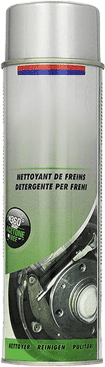
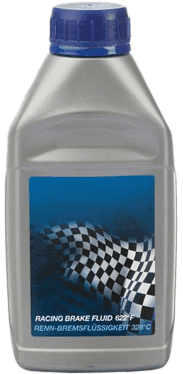
Similar search terms for MOTUL-106551-Brake-Clutch
Top-Angebote
Products related to MOTUL-106551-Brake-Clutch:
-
MOTUL 102638 Engine oilCapacity [litre]: 1; Oil: Synthetic Oil; Specification: ACEA C3, API SN, API CF; Oil Viscosity Classification SAE: 5W-30; Manufacturer recommendations: DEXOS 2; Product line: SPECIFIC; Version: DEXOS2; ACEA: ACEA C3; API: API SN, API CF; Liquid:12,99 £*Shipping: 8,45 £Secure redirect to the provider
-
MOTUL 108210 Engine oilCapacity [litre]: 4; Container Type: Canister; Oil: Full Synthetic Oil; Vehicle type: Motorcycle; Specification: API TC, ISO-L-EGD, JASO FD; Engine Features/Arrangement: 2-Stroke; Mixing Ratio: 1:50, 1:25; Product line: Snowpower Synht; Version: 2T; API: API TC; JASO: JASO FD; Liquid:62,99 £*Shipping: 8,45 £Secure redirect to the provider


-
Can brake and clutch levers be registered?
No, brake and clutch levers cannot be registered. These components of a vehicle are not considered to be separate entities that require registration. Instead, they are integral parts of the vehicle and are covered under the vehicle's registration. Therefore, there is no need to register brake and clutch levers separately. **
-
How do you brake while releasing the clutch?
To brake while releasing the clutch, you should use your left foot to press the clutch pedal all the way down to the floor. Then, use your right foot to apply the brake pedal gently to slow down the vehicle. As you release the clutch pedal slowly, continue to apply the brake as needed to control the speed of the car. It's important to coordinate the movements of both feet smoothly to avoid stalling the engine or jerky movements. **
-
How can one register brake and clutch levers?
To register brake and clutch levers, you can follow these steps: 1. Locate the registration form on the manufacturer's website or contact their customer service for assistance. 2. Fill out the required information such as your name, contact details, product serial number, and purchase date. 3. Submit the completed form either online or by mail as per the manufacturer's instructions. 4. Keep a copy of the registration confirmation for your records in case you need to avail of any warranty or support services in the future. **
-
Should one brake with the clutch or without?
It is generally recommended to brake with the clutch engaged. This helps to reduce wear and tear on the transmission and clutch components. Additionally, braking with the clutch engaged can provide better control over the vehicle, especially in slippery or low-traction conditions. However, in certain situations, such as emergency braking, it may be necessary to brake without engaging the clutch to stop the vehicle quickly. **

How can you brake without using the clutch?
To brake without using the clutch, you can simply release the accelerator pedal and apply the brake pedal gradually to slow down the vehicle. As you press the brake pedal, the engine will slow down due to the resistance from the braking system, allowing you to come to a stop without needing to engage the clutch. It is important to remember to downshift to lower gears as you slow down to prevent stalling the engine. **
Can the clutch be used as a brake?
No, the clutch cannot be used as a brake. The clutch is a mechanism that disengages the engine from the transmission, allowing the driver to change gears. It is not designed to slow down or stop the vehicle. Using the clutch as a brake can cause damage to the clutch system and is not a safe or effective way to slow down or stop a vehicle. It is important to use the brake pedal to slow down and stop the vehicle. **
Top-Angebote
Products related to MOTUL-106551-Brake-Clutch:
-
What are clutch and brake?
Clutch and brake are two important components of a vehicle's transmission system. The clutch is used to engage and disengage the engine from the transmission, allowing the driver to change gears and control the power flow to the wheels. The brake, on the other hand, is used to slow down or stop the vehicle by applying friction to the wheels, converting the kinetic energy of the vehicle into heat. Both the clutch and brake are essential for controlling the speed and movement of a vehicle, ensuring safe and efficient driving. **
-
Are clutch and brake levers universal?
Clutch and brake levers are not universal, as they can vary in size, shape, and mounting style depending on the make and model of the motorcycle. Different manufacturers may use different designs for their levers, so it's important to ensure that you are purchasing the correct levers for your specific bike. Additionally, some aftermarket levers may be designed to be adjustable or have different features, so it's important to choose the right ones for your bike. **
-
Can brake and clutch levers be registered?
No, brake and clutch levers cannot be registered. These components of a vehicle are not considered to be separate entities that require registration. Instead, they are integral parts of the vehicle and are covered under the vehicle's registration. Therefore, there is no need to register brake and clutch levers separately. **
-
How do you brake while releasing the clutch?
To brake while releasing the clutch, you should use your left foot to press the clutch pedal all the way down to the floor. Then, use your right foot to apply the brake pedal gently to slow down the vehicle. As you release the clutch pedal slowly, continue to apply the brake as needed to control the speed of the car. It's important to coordinate the movements of both feet smoothly to avoid stalling the engine or jerky movements. **
Similar search terms for MOTUL-106551-Brake-Clutch
-
MOTUL 102638 Engine oilCapacity [litre]: 1; Oil: Synthetic Oil; Specification: ACEA C3, API SN, API CF; Oil Viscosity Classification SAE: 5W-30; Manufacturer recommendations: DEXOS 2; Product line: SPECIFIC; Version: DEXOS2; ACEA: ACEA C3; API: API SN, API CF; Liquid:12,99 £*Shipping: 8,45 £Secure redirect to the provider
-
MOTUL 108210 Engine oilCapacity [litre]: 4; Container Type: Canister; Oil: Full Synthetic Oil; Vehicle type: Motorcycle; Specification: API TC, ISO-L-EGD, JASO FD; Engine Features/Arrangement: 2-Stroke; Mixing Ratio: 1:50, 1:25; Product line: Snowpower Synht; Version: 2T; API: API TC; JASO: JASO FD; Liquid:62,99 £*Shipping: 8,45 £Secure redirect to the provider
-
MOTUL 110084 Engine oilCapacity [litre]: 4; Container Type: Canister; Engine Features/Arrangement: 2-Stroke; Supplementary Article / Supplementary Info Info 2: Only for racing purposes; Mixing Ratio: 2%; Oil manufacturer recommendation: Above standards; Specification: API TC; Product line: 800 FL; Version: OFF ROAD 2T; API: API TC; Liquid: ; Engine Code: M 53, AV10, Minarelli AM6, M 500, M 741, Rotax 122; Emissions Standard: Euro 5105,99 £*Shipping: 8,45 £Secure redirect to the provider
-
How can one register brake and clutch levers?
To register brake and clutch levers, you can follow these steps: 1. Locate the registration form on the manufacturer's website or contact their customer service for assistance. 2. Fill out the required information such as your name, contact details, product serial number, and purchase date. 3. Submit the completed form either online or by mail as per the manufacturer's instructions. 4. Keep a copy of the registration confirmation for your records in case you need to avail of any warranty or support services in the future. **
-
Should one brake with the clutch or without?
It is generally recommended to brake with the clutch engaged. This helps to reduce wear and tear on the transmission and clutch components. Additionally, braking with the clutch engaged can provide better control over the vehicle, especially in slippery or low-traction conditions. However, in certain situations, such as emergency braking, it may be necessary to brake without engaging the clutch to stop the vehicle quickly. **
-
How can you brake without using the clutch?
To brake without using the clutch, you can simply release the accelerator pedal and apply the brake pedal gradually to slow down the vehicle. As you press the brake pedal, the engine will slow down due to the resistance from the braking system, allowing you to come to a stop without needing to engage the clutch. It is important to remember to downshift to lower gears as you slow down to prevent stalling the engine. **
-
Can the clutch be used as a brake?
No, the clutch cannot be used as a brake. The clutch is a mechanism that disengages the engine from the transmission, allowing the driver to change gears. It is not designed to slow down or stop the vehicle. Using the clutch as a brake can cause damage to the clutch system and is not a safe or effective way to slow down or stop a vehicle. It is important to use the brake pedal to slow down and stop the vehicle. **
* All prices are inclusive of VAT and, if applicable, plus shipping costs. The offer information is based on the details provided by the respective shop and is updated through automated processes. Real-time updates do not occur, so deviations can occur in individual cases. ** Note: Parts of this content were created by AI.