Buy greatpoland.eu ?
We are moving the project
greatpoland.eu .
Are you interested in purchasing the domain
greatpoland.eu ?
domain@kv-gmbh.de · 0541-91531010
Buy greatpoland.eu ?
Is wage fairness fair?
Wage fairness is subjective and can vary depending on individual perspectives. Some may argue that wage fairness is fair because it ensures that employees are compensated based on their skills, experience, and contributions to the company. Others may argue that wage fairness is not fair because it can lead to disparities in pay between different employees, even if they perform similar roles. Ultimately, the concept of wage fairness is complex and can be influenced by various factors such as industry standards, market conditions, and company policies. **
What is more important: fairness or equality?
Both fairness and equality are important concepts, but they serve different purposes. Fairness focuses on ensuring that individuals are treated justly and impartially based on their unique circumstances, while equality aims to create a level playing field by providing everyone with the same opportunities and resources. In some situations, prioritizing fairness may be more important to address individual needs and circumstances, while in others, equality may be necessary to promote overall societal well-being and justice. Ultimately, finding a balance between fairness and equality is crucial in creating a just and equitable society. **
Similar search terms for Fairness
Top-Angebote
Products related to Fairness:
-
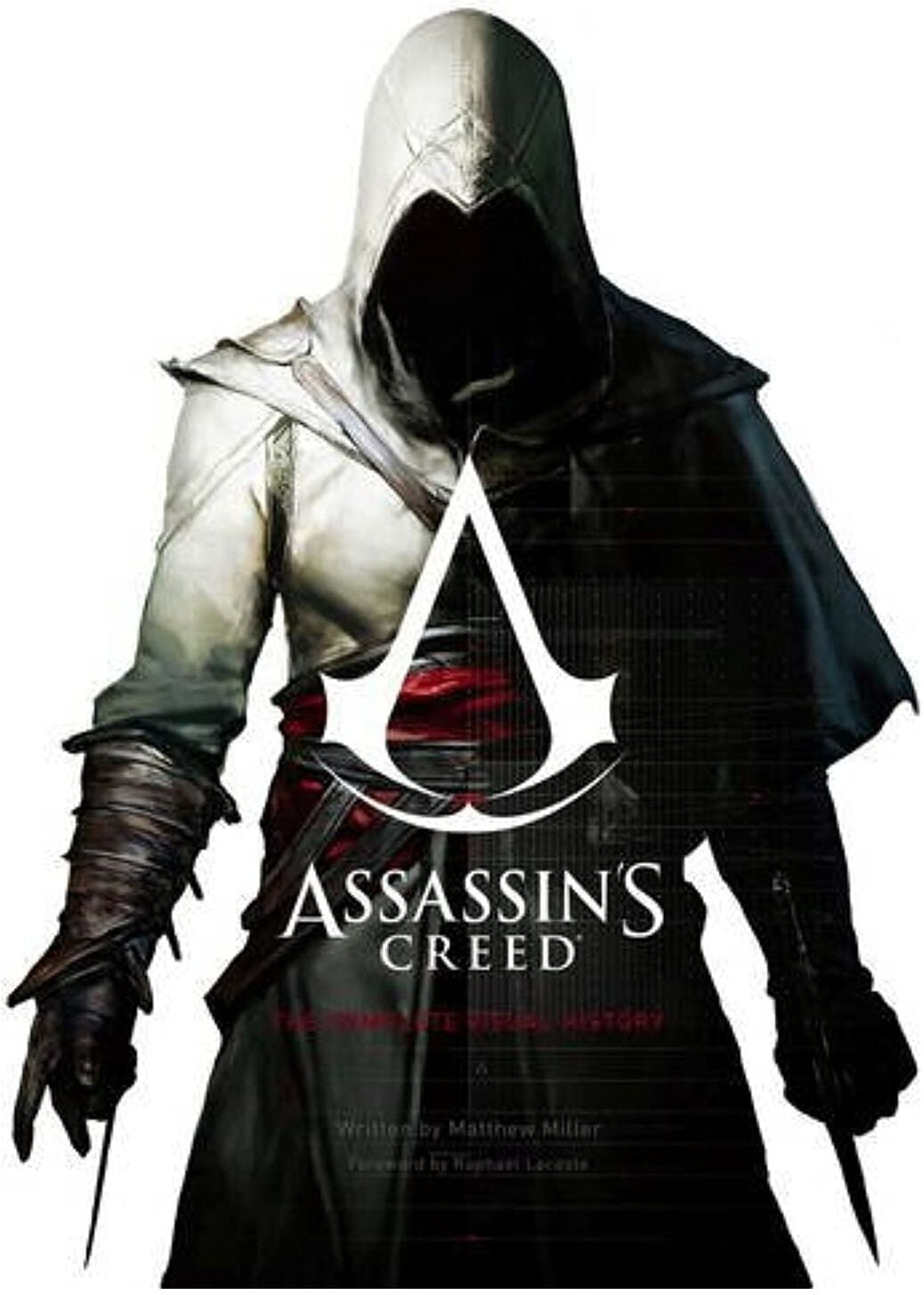
Titan Assassins Creed - The Complete Visual History: The Definitive Visual HistoryThis stunning book explores the rich mythology of Assassins Creed®, featuring the art and history of the series from the first groundbreaking game through the graphic novels to the DLCs. Highlighting the lush and vibrant art that has become a hallmark of the series, this luxury coffee-table book brings the games famous historical locations and figures to life and explores the evolution of each iconic Assassin and Templar.15,99 £*Shipping: 2,99 £Secure redirect to the provider
-
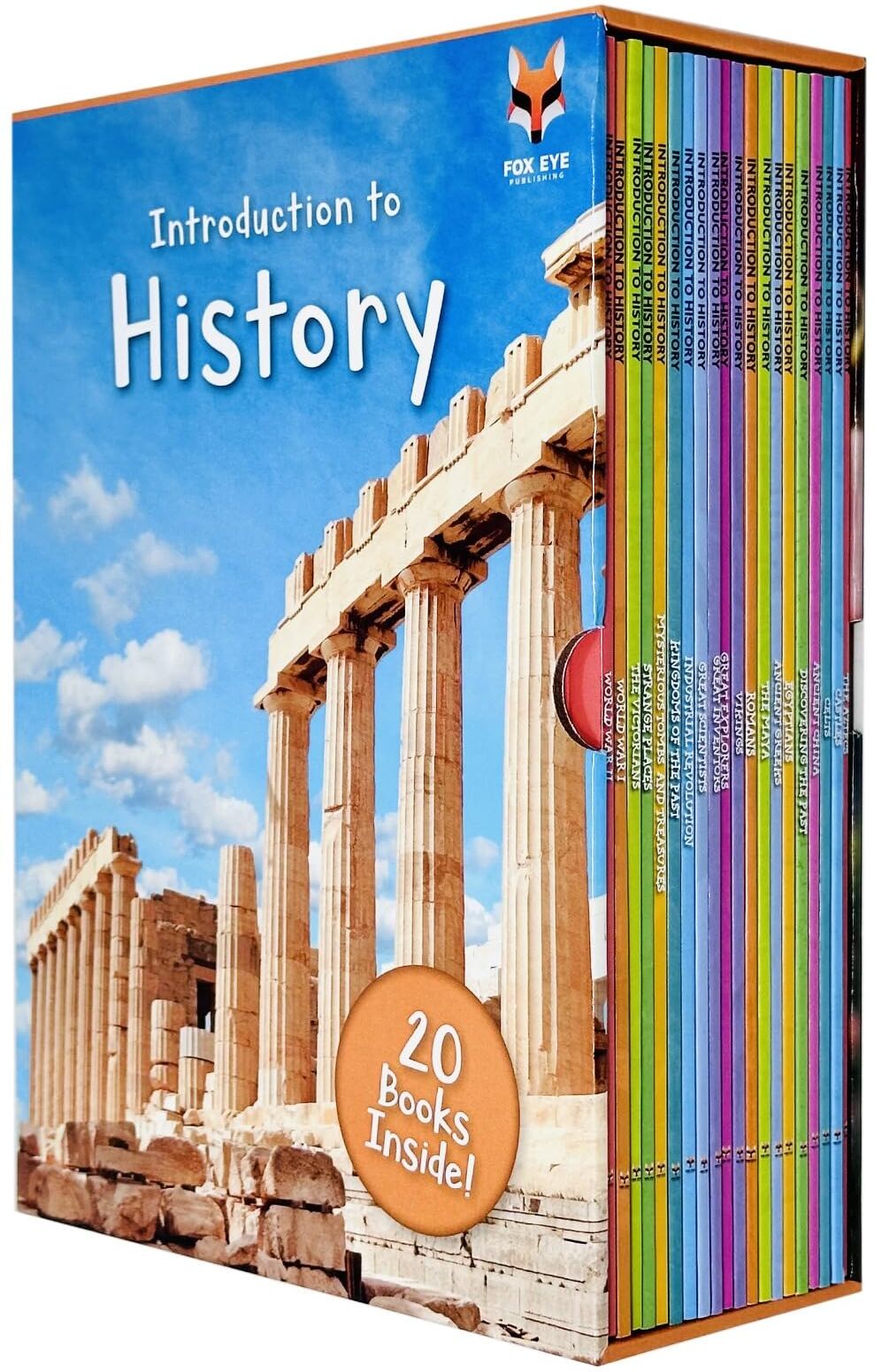
Fox Eye Publishing Introduction to History 20 Books Collection Box Set – Educational History Learning CollectionIntroduction to History 20 Books Collection Box Set (The Aztecs, Castles, Celts, Ancient China, Discovering the Past, Egyptians, Ancient Greeks, The Maya, Romans, Vikings, Great Explorers and More) Books in This Collection: Introduction to The Aztecs Introduction to Castles Introduction to Celts Introduction to Ancient China Introduction to Discovering the Past Introduction to Egyptians Introduction to Ancient Greeks Introduction to The Maya Introduction to Romans Introduction to Vikings Introduction to Great Explorers Introduction to Great Inventors Introduction to Great Scientists Introduction to Industrial Revolution Introduction to Kingdoms of the Past Introduction to Mysterious Tombs and Treasures Introduction to Strange Places Introduction to The Victorians Introduction to World War I Introduction to World War II12,99 £*Shipping: 2,99 £Secure redirect to the provider
-
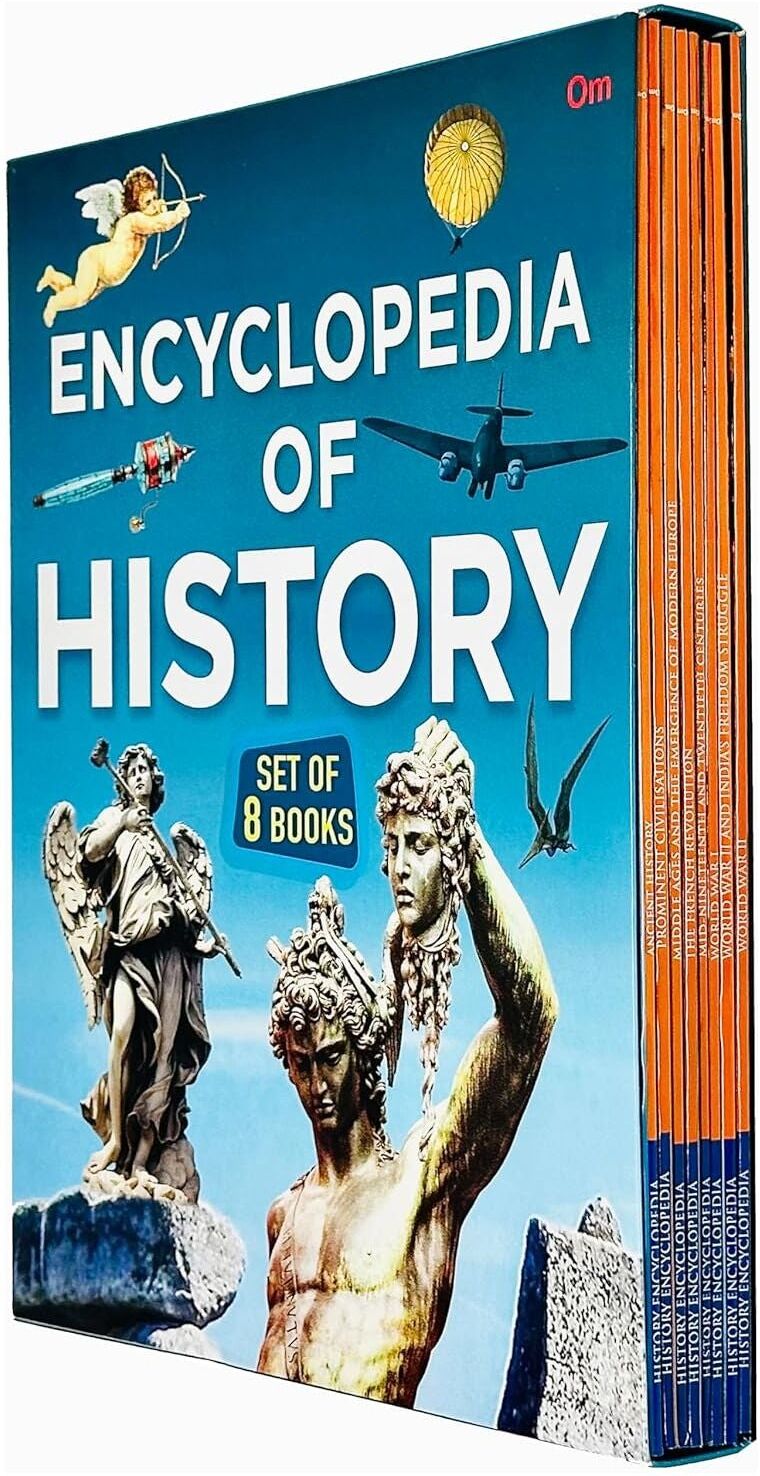
OM Books International Encyclopedia of History 8 Books Collection Set – World War History & Educational Learning CollectionEncyclopedia of History set of 8 books (World War I, World War II, World War II and Indias Freedom Struggle, Mid Nineteenth and Twentieth Centuries, The French Revolution & More): Titles in This Set: Encyclopedia: World War I Encyclopedia: World War II Encyclopedia: World War II and Indias Freedom Struggle Encyclopedia: Mid Nineteenth and Twentieth Centuries Encyclopedia: The French Revolution Encyclopedia: Middle Ages and the Emergence of Modern Europe Encyclopedia: Prominent Civilisations Encyclopedia: Ancient History Description: What made humans the way they are today? How were civilisations formed and erased? What makes up history? Get answers to all the questions and more in this history encyclopedia. Go back in time and learn all about human history, right from the time man began his journey in stone caves. Relive epic battles, learn about the rise and fall of great empires and a lot more.9,90 £*Shipping: 2,99 £Secure redirect to the provider

-
What is more important: Fairness or equality?
Both fairness and equality are important concepts, but fairness may be more important in certain situations. Fairness ensures that individuals are treated justly and impartially based on their unique circumstances, while equality focuses on ensuring everyone has the same resources or opportunities. In some cases, prioritizing fairness may lead to greater overall equality by addressing individual needs and circumstances. Ultimately, a balance of both fairness and equality is necessary to create a just and equitable society. **
-
Should I do it out of fairness?
Yes, doing something out of fairness is important in maintaining a sense of justice and equality. If a decision or action is fair, it can help to build trust and respect among those involved. However, it's also important to consider the specific situation and the potential impact of your actions before making a decision solely based on fairness. Sometimes, other factors such as compassion, empathy, and practicality may also need to be taken into account. **
-
What is the difference between fairness and equality?
Fairness refers to the concept of justice and impartiality in treating individuals based on their unique circumstances and needs. It involves giving everyone what they need to be successful, which may not always be the same for everyone. On the other hand, equality focuses on treating everyone the same regardless of their individual differences. While equality aims to provide equal opportunities and resources to all, fairness recognizes that individuals may require different levels of support to achieve the same outcomes. **
-
Does video technology bring more fairness to football?
Video technology, such as VAR (Video Assistant Referee), has been implemented in football to help referees make more accurate decisions. While it aims to bring more fairness to the game by reducing human error, it has also sparked controversy and debate. Some argue that it has helped to correct clear mistakes and ensure fairness, while others believe it has led to more stoppages and disrupted the flow of the game. Ultimately, the impact of video technology on fairness in football is still a topic of ongoing discussion and evaluation. **

What does John Rawls mean by "Justice as Fairness"?
John Rawls' concept of "Justice as Fairness" refers to his theory of justice that seeks to ensure fairness and equality in society. According to Rawls, justice should be based on principles that would be chosen by individuals in a hypothetical original position, where they are unaware of their own characteristics and circumstances. This ensures that the principles of justice are fair and impartial, as they are chosen behind a "veil of ignorance." Rawls argues that this approach would lead to the establishment of a just society that prioritizes the well-being of the least advantaged members. **
What is the relationship between stochastic processes and fairness?
Stochastic processes are mathematical models that describe the evolution of random variables over time. Fairness, on the other hand, refers to the concept of treating all individuals or entities equally and without bias. The relationship between stochastic processes and fairness lies in the application of stochastic processes to model and analyze systems where fairness is a concern, such as in the allocation of resources, scheduling of tasks, or decision-making processes. By using stochastic processes, researchers and policymakers can better understand the impact of randomness and uncertainty on fairness, and develop strategies to ensure fair outcomes in these systems. **
Top-Angebote
Products related to Fairness:
-
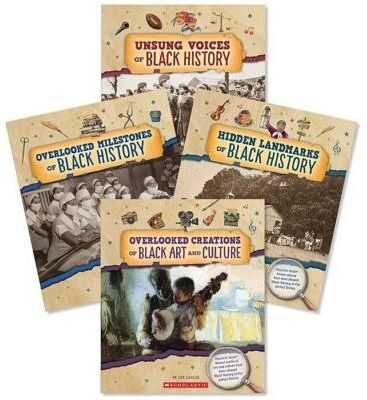
From the Archives: Black History and Culture Value PackThis brand-new series is rooted in a profound commitment to shedding light on some of the important -- and often lesser-known -- aspects of Black history. From the Archives features landmarks, events, people, and artistic endeavors that have played...26,99 $*Shipping: 0,00 $Secure redirect to the provider
-
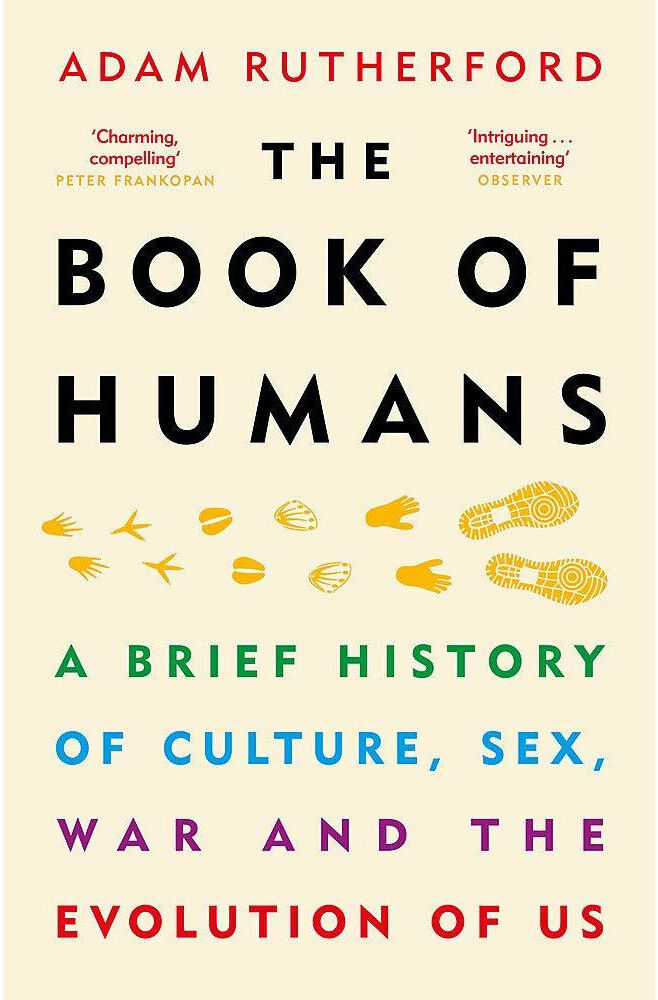
Orion The Book of Humans by Adam Rutherford – A Brief History of Culture, Sex, War & EvolutionWHAT MAKES US HUMAN? Waging war? Sex for pleasure? Creating art? Mastery of fire? In this thrilling tour of the animal kingdom, Adam Rutherford tells the story of how we became the unique creatures we are today. Illuminated by the latest scientific discoveries, THE BOOK OF HUMANS is a dazzling compendium of what unequivocally fixes us as animals, and reveals how we are extraordinary among them.4,98 £*Shipping: 1,99 £Secure redirect to the provider
-
Titan Assassins Creed - The Complete Visual History: The Definitive Visual HistoryThis stunning book explores the rich mythology of Assassins Creed®, featuring the art and history of the series from the first groundbreaking game through the graphic novels to the DLCs. Highlighting the lush and vibrant art that has become a hallmark of the series, this luxury coffee-table book brings the games famous historical locations and figures to life and explores the evolution of each iconic Assassin and Templar.15,99 £*Shipping: 2,99 £Secure redirect to the provider
-
Is wage fairness fair?
Wage fairness is subjective and can vary depending on individual perspectives. Some may argue that wage fairness is fair because it ensures that employees are compensated based on their skills, experience, and contributions to the company. Others may argue that wage fairness is not fair because it can lead to disparities in pay between different employees, even if they perform similar roles. Ultimately, the concept of wage fairness is complex and can be influenced by various factors such as industry standards, market conditions, and company policies. **
-
What is more important: fairness or equality?
Both fairness and equality are important concepts, but they serve different purposes. Fairness focuses on ensuring that individuals are treated justly and impartially based on their unique circumstances, while equality aims to create a level playing field by providing everyone with the same opportunities and resources. In some situations, prioritizing fairness may be more important to address individual needs and circumstances, while in others, equality may be necessary to promote overall societal well-being and justice. Ultimately, finding a balance between fairness and equality is crucial in creating a just and equitable society. **
-
What is more important: Fairness or equality?
Both fairness and equality are important concepts, but fairness may be more important in certain situations. Fairness ensures that individuals are treated justly and impartially based on their unique circumstances, while equality focuses on ensuring everyone has the same resources or opportunities. In some cases, prioritizing fairness may lead to greater overall equality by addressing individual needs and circumstances. Ultimately, a balance of both fairness and equality is necessary to create a just and equitable society. **
-
Should I do it out of fairness?
Yes, doing something out of fairness is important in maintaining a sense of justice and equality. If a decision or action is fair, it can help to build trust and respect among those involved. However, it's also important to consider the specific situation and the potential impact of your actions before making a decision solely based on fairness. Sometimes, other factors such as compassion, empathy, and practicality may also need to be taken into account. **
Similar search terms for Fairness
-
Fox Eye Publishing Introduction to History 20 Books Collection Box Set – Educational History Learning CollectionIntroduction to History 20 Books Collection Box Set (The Aztecs, Castles, Celts, Ancient China, Discovering the Past, Egyptians, Ancient Greeks, The Maya, Romans, Vikings, Great Explorers and More) Books in This Collection: Introduction to The Aztecs Introduction to Castles Introduction to Celts Introduction to Ancient China Introduction to Discovering the Past Introduction to Egyptians Introduction to Ancient Greeks Introduction to The Maya Introduction to Romans Introduction to Vikings Introduction to Great Explorers Introduction to Great Inventors Introduction to Great Scientists Introduction to Industrial Revolution Introduction to Kingdoms of the Past Introduction to Mysterious Tombs and Treasures Introduction to Strange Places Introduction to The Victorians Introduction to World War I Introduction to World War II12,99 £*Shipping: 2,99 £Secure redirect to the provider
-
OM Books International Encyclopedia of History 8 Books Collection Set – World War History & Educational Learning CollectionEncyclopedia of History set of 8 books (World War I, World War II, World War II and Indias Freedom Struggle, Mid Nineteenth and Twentieth Centuries, The French Revolution & More): Titles in This Set: Encyclopedia: World War I Encyclopedia: World War II Encyclopedia: World War II and Indias Freedom Struggle Encyclopedia: Mid Nineteenth and Twentieth Centuries Encyclopedia: The French Revolution Encyclopedia: Middle Ages and the Emergence of Modern Europe Encyclopedia: Prominent Civilisations Encyclopedia: Ancient History Description: What made humans the way they are today? How were civilisations formed and erased? What makes up history? Get answers to all the questions and more in this history encyclopedia. Go back in time and learn all about human history, right from the time man began his journey in stone caves. Relive epic battles, learn about the rise and fall of great empires and a lot more.9,90 £*Shipping: 2,99 £Secure redirect to the provider
-
Usborne Beginners History 10 Books Collection Box Set Educational History Books for Children - Stone Age Iron Age - HARDCOVERUsborne Beginners History 10 Books Collection Box Set Stone Age Iron Age Egyptians Ancient Greeks .. Stone Age This simple information book follows the history of Stone Age people and how they lived. Iron Age This simple information book charts the history of Iron Age people and how they lived; including their farming methods; the gods they prayed to and the hill forts where they lived. Egyptians Who were the ancient Egyptians? Why did they build pyramids and how were mummies made? Ancient Greeks Find out about Ancient Greece; what people wore; ate and did for fun and learn about some of the most famous philosophers and mathematicians of the age in this compelling book for beginner readers. Celts Who were the Celts exactly? Did you know they lived on top of hills? Do you have any idea how Celtic warriors made themselves look really scary in battle? Romans Who were the ancient Romans? Where did they go to eat; shop and wash? What did they do for fun? The Maya Who were the Maya? Where did they live? Why did they build tall stone temples? Vikings Find out what it was like to be a Viking; and learn about Viking homes; feasts; boats; gods and much more in this fascinating book. Castles Who lived in a castle; and what was it like? Children can find out the answers to these questions and lots more about the wonderful world of castles in this informative book. Digging Up the Past How do ancient things get buried? Who digs them up? And what do they find? Beginner readers can find answers to these questions and more in this colourful information book. Related Tags: Usborne, Usbourne14,99 £*Shipping: 2,99 £Secure redirect to the provider
-
What is the difference between fairness and equality?
Fairness refers to the concept of justice and impartiality in treating individuals based on their unique circumstances and needs. It involves giving everyone what they need to be successful, which may not always be the same for everyone. On the other hand, equality focuses on treating everyone the same regardless of their individual differences. While equality aims to provide equal opportunities and resources to all, fairness recognizes that individuals may require different levels of support to achieve the same outcomes. **
-
Does video technology bring more fairness to football?
Video technology, such as VAR (Video Assistant Referee), has been implemented in football to help referees make more accurate decisions. While it aims to bring more fairness to the game by reducing human error, it has also sparked controversy and debate. Some argue that it has helped to correct clear mistakes and ensure fairness, while others believe it has led to more stoppages and disrupted the flow of the game. Ultimately, the impact of video technology on fairness in football is still a topic of ongoing discussion and evaluation. **
-
What does John Rawls mean by "Justice as Fairness"?
John Rawls' concept of "Justice as Fairness" refers to his theory of justice that seeks to ensure fairness and equality in society. According to Rawls, justice should be based on principles that would be chosen by individuals in a hypothetical original position, where they are unaware of their own characteristics and circumstances. This ensures that the principles of justice are fair and impartial, as they are chosen behind a "veil of ignorance." Rawls argues that this approach would lead to the establishment of a just society that prioritizes the well-being of the least advantaged members. **
-
What is the relationship between stochastic processes and fairness?
Stochastic processes are mathematical models that describe the evolution of random variables over time. Fairness, on the other hand, refers to the concept of treating all individuals or entities equally and without bias. The relationship between stochastic processes and fairness lies in the application of stochastic processes to model and analyze systems where fairness is a concern, such as in the allocation of resources, scheduling of tasks, or decision-making processes. By using stochastic processes, researchers and policymakers can better understand the impact of randomness and uncertainty on fairness, and develop strategies to ensure fair outcomes in these systems. **
* All prices are inclusive of VAT and, if applicable, plus shipping costs. The offer information is based on the details provided by the respective shop and is updated through automated processes. Real-time updates do not occur, so deviations can occur in individual cases. ** Note: Parts of this content were created by AI.