Buy greatpoland.eu ?
We are moving the project
greatpoland.eu .
Are you interested in purchasing the domain
greatpoland.eu ?
domain@kv-gmbh.de · 0541-91531010
Buy greatpoland.eu ?
What was the youth culture like on television in the 1970s?
In the 1970s, youth culture on television was heavily influenced by the countercultural movements of the 1960s. Shows like "Happy Days" and "The Brady Bunch" depicted a sanitized version of teenage life, focusing on themes of friendship, family, and growing up. However, there were also more edgy and rebellious portrayals of youth culture in shows like "Welcome Back, Kotter" and "The Mod Squad," which reflected the changing social and political landscape of the time. Overall, television in the 1970s presented a mix of idealized and more realistic depictions of youth culture, reflecting the diversity of experiences and perspectives within the younger generation. **
What was it in the 1970s?
The 1970s were a decade marked by significant social, cultural, and political changes. It was a time of great upheaval, with movements such as the civil rights movement, women's liberation movement, and environmental movement gaining momentum. The 1970s also saw the end of the Vietnam War and the Watergate scandal, which led to a loss of trust in the government. Additionally, the 1970s were characterized by economic challenges, including high inflation and oil crises. **
Similar search terms for 1970s
Top-Angebote
Products related to 1970s:
-
Weidenfeld & Nicolson (W&N) Motherwell: A Girlhood by Deborah Orr - New Hardback Memoir - Family, Class & Girlhood in 1970s Scotland - Guardian Journalist's Acclaimed Life StoryMotherwell: A Girlhood is Deborah Orr's posthumously published memoir, a searing and tender account of growing up in a Lanarkshire steel town in the 1960s and 70s. Written by the celebrated Guardian journalist shortly before her death in 2019, it explores the fraught bond between Orr and her mother, Win, against a backdrop of industrial decline, class division and shifting gender roles. This hardback book is a poignant and thought-provoking read, ideal for those interested in literary memoir and social history. Deborah Orr writes with precision and wit about her experiences, tracing how a bright, questioning daughter grew up inside a household ruled by her mother's rigid expectations and her father's quieter presence.10,99 £*Shipping: 2,99 £Secure redirect to the provider
-
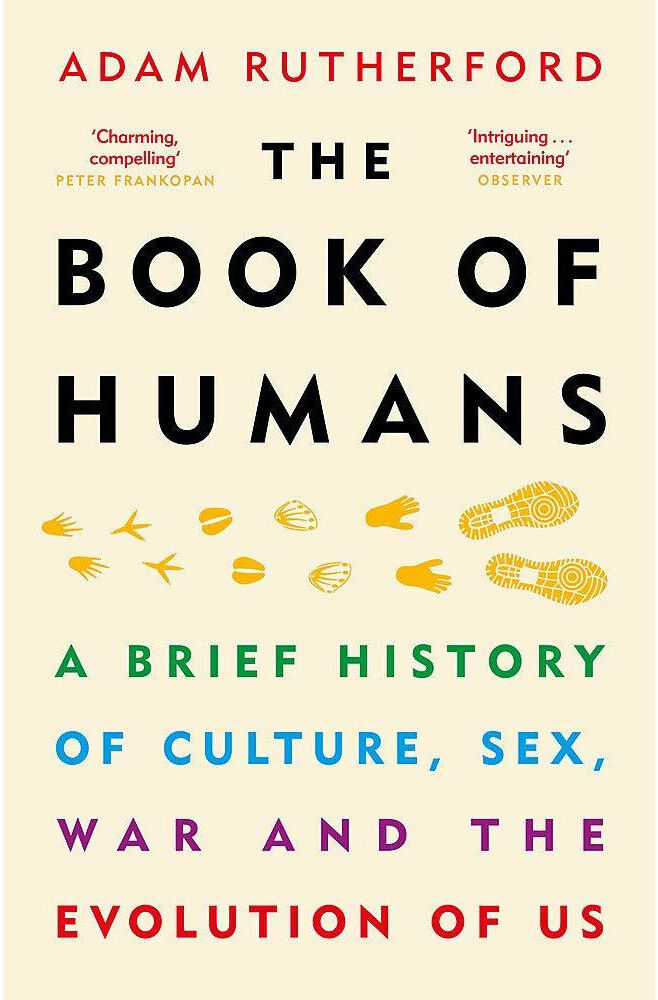
Orion The Book of Humans by Adam Rutherford – A Brief History of Culture, Sex, War & EvolutionWHAT MAKES US HUMAN? Waging war? Sex for pleasure? Creating art? Mastery of fire? In this thrilling tour of the animal kingdom, Adam Rutherford tells the story of how we became the unique creatures we are today. Illuminated by the latest scientific discoveries, THE BOOK OF HUMANS is a dazzling compendium of what unequivocally fixes us as animals, and reveals how we are extraordinary among them.4,98 £*Shipping: 1,99 £Secure redirect to the provider
-
Timeline Refresh 2026 - Clutch Box by Zygomatic, Card Game for 2-4 Players, Ages 10+, History and Culture TriviaTest your knowledge of history, culture, and everyday events with Timeline Refresh 2026, a compact card game for family and friends. Each round challenges players to place event cards in the correct chronological position, using the timeline already on the table as their guide. Choose an event card, estimate when it happened, and add it to the timeline. If your placement is correct, the card remains in play; if not, it is removed. The first player to position all their cards correctly wins. The game's accessible rules and varied subject matter make it an engaging way to challenge your memory and learn interesting facts while playing. The clutch box format is designed for convenient storage and portability.10,59 £*Shipping: 3,95 £Secure redirect to the provider
-
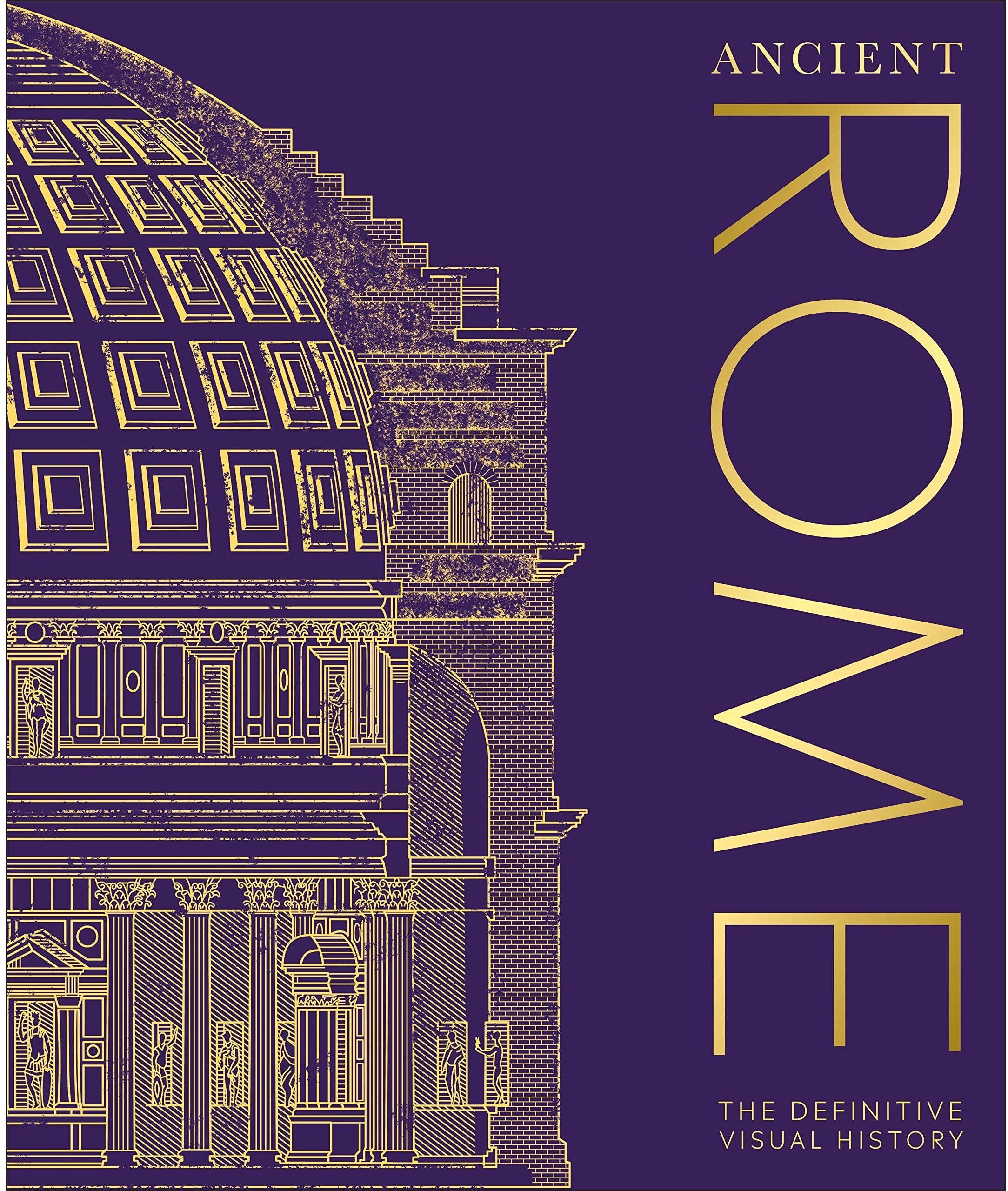
Ancient Rome: The Definitive Visual History (DK Classic History)Immerse yourself in the history of ancient Rome - from its origins as a small settlement on the Palatine Hill to its peak as an empire reigning over 90 million people, and its tumultuous decline. Covering more than 1,000 years of history, and an empire that stretched from Scotland to Syria, Ancient Rome reveals in vivid detail all of the key political, cultural, and military events that shaped the Roman Empire and explores what it was like to live in a society that laid the foundations for many aspects of the modern world. Sumptuous photography and engaging text cover every facet of life in ancient Rome, from art, entertainment, and fashion to engineering, medicine, and war, while detailed maps trace the rise of the mighty Roman Empire. Step back in time in the pages of this history book to discover:- Themed spreads explore developments in areas such as sculpture, religion, warfare, and engineering. - Includes tales of the most dramatic events and battles in Roman history, as well as profiles of influential historical and cultural figures. - An optional 80pp reference section includes sections on rulers, gods and goddesses, and key sites. Featuring Rome's greatest emperors, from Augustus to Constantine, as well as profiles of generals, historians, and influential women, Ancient Rome also delves into the fascinating stories of gladiators, bakers, and enslaved people. The most iconic buildings of Rome are brought to life with specially commissioned CGI recreations, while the stories of ordinary citizens, soldiers, and persecuted groups from across the empire are told with the help of illustrations, artefacts, and eyewitness accounts. Beautifully illustrated and unparalleled in scope, Ancient Rome is the perfect book for anyone who is interested in this defining period of world history.19,95 £*Shipping: 2,99 £Secure redirect to the provider


-
What institutions existed in the 1970s?
In the 1970s, various institutions existed, including government bodies, educational institutions, financial institutions, healthcare facilities, and cultural organizations. Government institutions included the executive, legislative, and judicial branches at the federal, state, and local levels. Educational institutions encompassed schools, colleges, and universities. Financial institutions included banks, stock exchanges, and insurance companies. Healthcare facilities ranged from hospitals to clinics. Cultural organizations included museums, libraries, and arts centers. These institutions played crucial roles in shaping society and providing essential services during the 1970s. **
-
How was self-presentation in the 1970s?
Self-presentation in the 1970s was characterized by a sense of individuality and expression. People embraced bold and flamboyant fashion choices, such as bell-bottom pants, platform shoes, and colorful patterns. There was a focus on self-expression and breaking away from traditional norms, leading to a diverse range of styles and looks. Overall, self-presentation in the 1970s was about making a statement and showcasing one's unique personality. **
-
What happened in the 1970s until today?
In the 1970s, there were significant social and political changes around the world. The United States experienced the end of the Vietnam War and the Watergate scandal, while other countries saw the rise of new leaders and movements. The 1980s and 1990s brought about the end of the Cold War, the fall of the Berlin Wall, and the rise of globalization. In the 2000s and 2010s, we saw advancements in technology, the global impact of terrorism, and the increasing awareness of climate change. Overall, the period from the 1970s until today has been marked by significant historical events and societal changes. **
-
What was consumption like in the 1970s?
In the 1970s, consumption was characterized by a growing emphasis on convenience and disposable products. The rise of fast food chains and the popularity of TV dinners reflected a shift towards quick and easy meal options. Additionally, there was a surge in the use of plastic products and packaging, contributing to a culture of convenience and disposability. The 1970s also saw an increase in consumer spending on leisure activities and entertainment, such as video games and home entertainment systems. Overall, consumption in the 1970s was marked by a focus on convenience, disposable products, and leisure activities. **
How were teenage bedrooms furnished in the 1970s?
Teenage bedrooms in the 1970s were often decorated with bold and vibrant colors, such as oranges, yellows, and greens. Popular furnishings included shag carpets, bean bag chairs, lava lamps, and posters of popular bands or celebrities. Many teenagers also had stereo systems and record players in their rooms, as music was a significant part of youth culture during that time. Overall, the decor of teenage bedrooms in the 1970s reflected the era's emphasis on self-expression and individuality. **
Which manufacturer produced the sunglasses from the 1970s?
The sunglasses from the 1970s were produced by Ray-Ban. Ray-Ban became popular in the 1970s for their iconic styles such as the Aviator and Wayfarer. These sunglasses became a fashion staple during that era and are still popular today. **
Top-Angebote
Products related to 1970s:
-
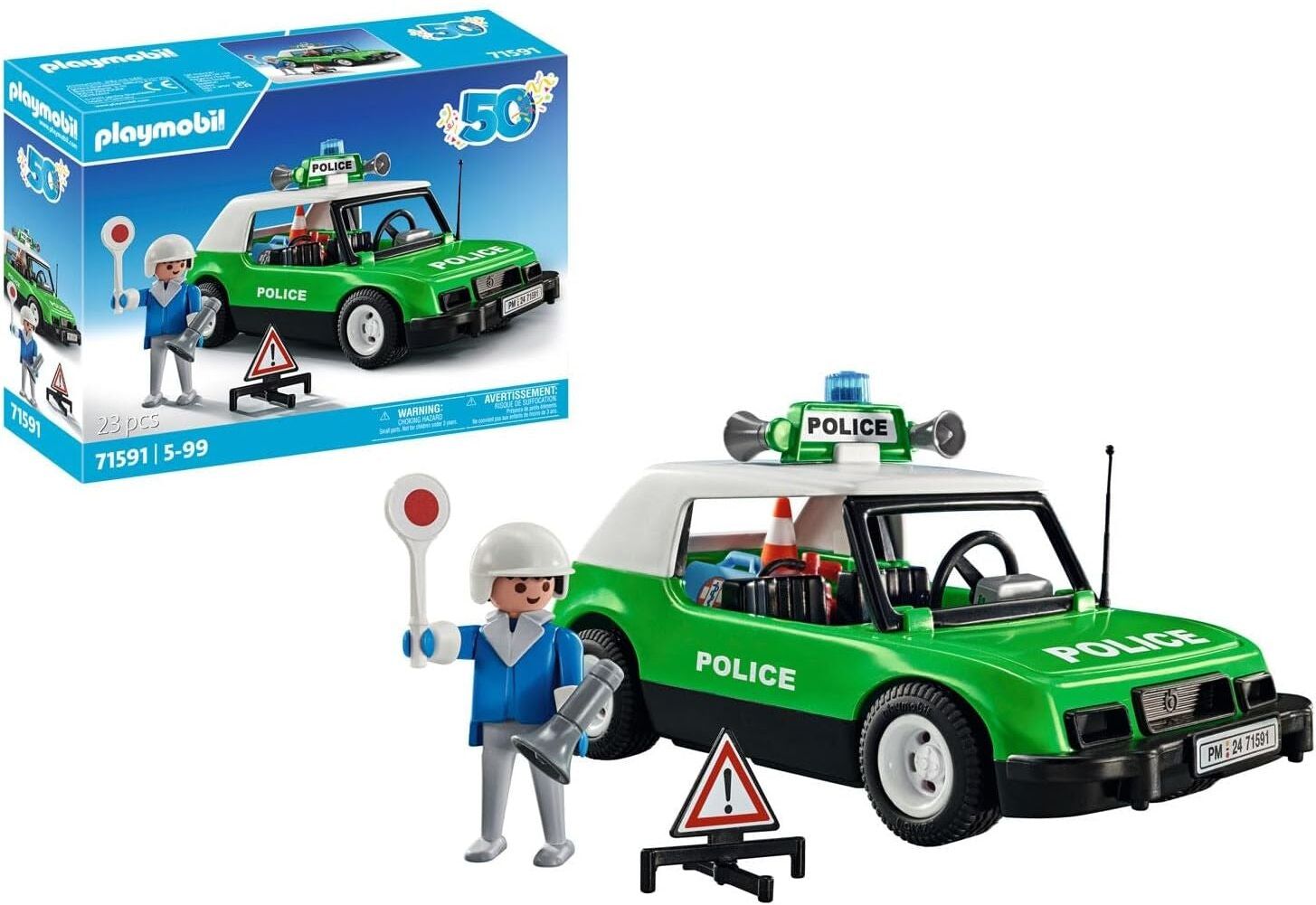
Playmobil Classic Police Car Anniversary Set (71591) – Retro 1970s Police Vehicle ToyThe PLAYMOBIL® Classic Police Car Anniversary Set (71591) celebrates PLAYMOBIL’s heritage with an iconic 1970s-style retro police car . Designed for children aged 5+ and collectors alike, this nostalgic set combines classic design with modern PLAYMOBIL quality, making it ideal for imaginative play or as a standout collector’s display piece. Key Features Iconic retro police car inspired by the 1970s Special anniversary edition design Includes police figure and authentic accessories Encourages imaginative role-play and storytelling Durable construction suitable for everyday play Suitable for both play and display Ideal gift for children aged 5+ and PLAYMOBIL fans Benefits This PLAYMOBIL anniversary set offers the perfect balance between nostalgia and play value. Children can enjoy exciting police adventures, while collectors will appreciate the classic design that pays tribute to PLAYMOBIL’s history. Built to last and easy to play with, it’s a versatile addition to any toy or collector’s collection. Specifications Table Specification Details Brand PLAYMOBIL Theme Classic Police Set Name Classic Police Car Anniversary Set Set Number 71591 Vehicle Type Retro Police Car Recommended Age 5+ Product Type Playset / Collector’s Model Material Plastic Colour Multi-Coloured EAN / Barcode 4008789715913 Ideal for children aged 5 and up who enjoy vehicle-based role-play, as well as PLAYMOBIL collectors and retro toy enthusiasts. Perfect for imaginative play, display, gifting and celebrating PLAYMOBIL’s iconic police vehicles.14,99 £*Shipping: 0,00 £Secure redirect to the provider
-
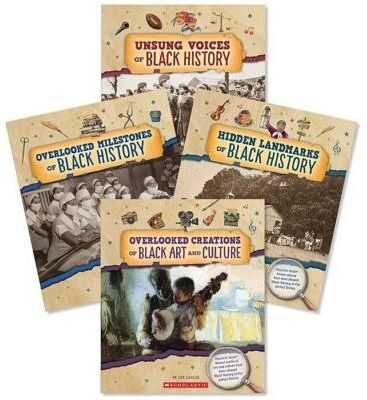
From the Archives: Black History and Culture Value PackThis brand-new series is rooted in a profound commitment to shedding light on some of the important -- and often lesser-known -- aspects of Black history. From the Archives features landmarks, events, people, and artistic endeavors that have played...27,99 $*Shipping: 0,00 $Secure redirect to the provider
-
Weidenfeld & Nicolson (W&N) Motherwell: A Girlhood by Deborah Orr - New Hardback Memoir - Family, Class & Girlhood in 1970s Scotland - Guardian Journalist's Acclaimed Life StoryMotherwell: A Girlhood is Deborah Orr's posthumously published memoir, a searing and tender account of growing up in a Lanarkshire steel town in the 1960s and 70s. Written by the celebrated Guardian journalist shortly before her death in 2019, it explores the fraught bond between Orr and her mother, Win, against a backdrop of industrial decline, class division and shifting gender roles. This hardback book is a poignant and thought-provoking read, ideal for those interested in literary memoir and social history. Deborah Orr writes with precision and wit about her experiences, tracing how a bright, questioning daughter grew up inside a household ruled by her mother's rigid expectations and her father's quieter presence.10,99 £*Shipping: 2,99 £Secure redirect to the provider
-
Orion The Book of Humans by Adam Rutherford – A Brief History of Culture, Sex, War & EvolutionWHAT MAKES US HUMAN? Waging war? Sex for pleasure? Creating art? Mastery of fire? In this thrilling tour of the animal kingdom, Adam Rutherford tells the story of how we became the unique creatures we are today. Illuminated by the latest scientific discoveries, THE BOOK OF HUMANS is a dazzling compendium of what unequivocally fixes us as animals, and reveals how we are extraordinary among them.4,98 £*Shipping: 1,99 £Secure redirect to the provider
-
What was the youth culture like on television in the 1970s?
In the 1970s, youth culture on television was heavily influenced by the countercultural movements of the 1960s. Shows like "Happy Days" and "The Brady Bunch" depicted a sanitized version of teenage life, focusing on themes of friendship, family, and growing up. However, there were also more edgy and rebellious portrayals of youth culture in shows like "Welcome Back, Kotter" and "The Mod Squad," which reflected the changing social and political landscape of the time. Overall, television in the 1970s presented a mix of idealized and more realistic depictions of youth culture, reflecting the diversity of experiences and perspectives within the younger generation. **
-
What was it in the 1970s?
The 1970s were a decade marked by significant social, cultural, and political changes. It was a time of great upheaval, with movements such as the civil rights movement, women's liberation movement, and environmental movement gaining momentum. The 1970s also saw the end of the Vietnam War and the Watergate scandal, which led to a loss of trust in the government. Additionally, the 1970s were characterized by economic challenges, including high inflation and oil crises. **
-
What institutions existed in the 1970s?
In the 1970s, various institutions existed, including government bodies, educational institutions, financial institutions, healthcare facilities, and cultural organizations. Government institutions included the executive, legislative, and judicial branches at the federal, state, and local levels. Educational institutions encompassed schools, colleges, and universities. Financial institutions included banks, stock exchanges, and insurance companies. Healthcare facilities ranged from hospitals to clinics. Cultural organizations included museums, libraries, and arts centers. These institutions played crucial roles in shaping society and providing essential services during the 1970s. **
-
How was self-presentation in the 1970s?
Self-presentation in the 1970s was characterized by a sense of individuality and expression. People embraced bold and flamboyant fashion choices, such as bell-bottom pants, platform shoes, and colorful patterns. There was a focus on self-expression and breaking away from traditional norms, leading to a diverse range of styles and looks. Overall, self-presentation in the 1970s was about making a statement and showcasing one's unique personality. **
Similar search terms for 1970s
-
Timeline Refresh 2026 - Clutch Box by Zygomatic, Card Game for 2-4 Players, Ages 10+, History and Culture TriviaTest your knowledge of history, culture, and everyday events with Timeline Refresh 2026, a compact card game for family and friends. Each round challenges players to place event cards in the correct chronological position, using the timeline already on the table as their guide. Choose an event card, estimate when it happened, and add it to the timeline. If your placement is correct, the card remains in play; if not, it is removed. The first player to position all their cards correctly wins. The game's accessible rules and varied subject matter make it an engaging way to challenge your memory and learn interesting facts while playing. The clutch box format is designed for convenient storage and portability.10,59 £*Shipping: 3,95 £Secure redirect to the provider
-
Ancient Rome: The Definitive Visual History (DK Classic History)Immerse yourself in the history of ancient Rome - from its origins as a small settlement on the Palatine Hill to its peak as an empire reigning over 90 million people, and its tumultuous decline. Covering more than 1,000 years of history, and an empire that stretched from Scotland to Syria, Ancient Rome reveals in vivid detail all of the key political, cultural, and military events that shaped the Roman Empire and explores what it was like to live in a society that laid the foundations for many aspects of the modern world. Sumptuous photography and engaging text cover every facet of life in ancient Rome, from art, entertainment, and fashion to engineering, medicine, and war, while detailed maps trace the rise of the mighty Roman Empire. Step back in time in the pages of this history book to discover:- Themed spreads explore developments in areas such as sculpture, religion, warfare, and engineering. - Includes tales of the most dramatic events and battles in Roman history, as well as profiles of influential historical and cultural figures. - An optional 80pp reference section includes sections on rulers, gods and goddesses, and key sites. Featuring Rome's greatest emperors, from Augustus to Constantine, as well as profiles of generals, historians, and influential women, Ancient Rome also delves into the fascinating stories of gladiators, bakers, and enslaved people. The most iconic buildings of Rome are brought to life with specially commissioned CGI recreations, while the stories of ordinary citizens, soldiers, and persecuted groups from across the empire are told with the help of illustrations, artefacts, and eyewitness accounts. Beautifully illustrated and unparalleled in scope, Ancient Rome is the perfect book for anyone who is interested in this defining period of world history.19,95 £*Shipping: 2,99 £Secure redirect to the provider
-
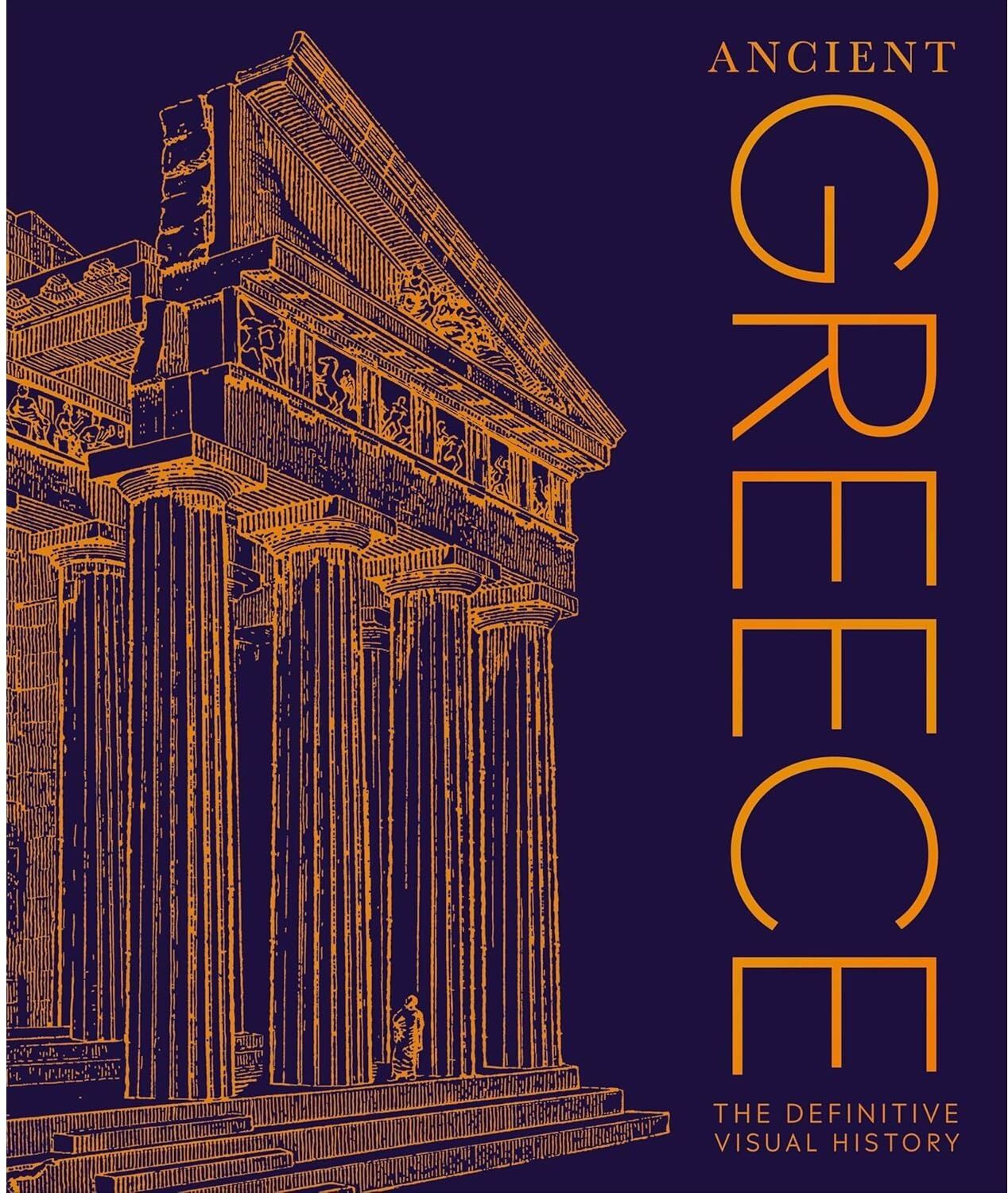
Ancient Greece: The Definitive Visual History (DK Classic History)Embark upon a fascinating journey through ancient Greece – from its rise and fall to its lasting legacy throughout the Western world. Spanning more than 3,000 years, Ancient Greece explores the tumultuous history of this glorious empire in vivid detail – from its Minoan and Mycenaean origins to the apogee of the warring city-states of Athens and Sparta, and from the death of its most charismatic leader, Alexander the Great, to its ultimate defeat by Rome. Sumptuous photography and authoritative, engaging text cover every facet of life in ancient Greece, from art, entertainment, and schools of thought to politics, medicine, and war, while the myths and religious beliefs of the ancient culture are explored and explained in depth. Greece’s military and political power shines through in fascinating maps of its legendary battles. Buried palaces and the Athenian Agora where Plato and Socrates discussed philosophy are brought back to life with stunning CGI artworks. And the stories of everyone from ordinary citizens to lawmakers and the first Olympic athletes are retold through eyewitness accounts and original artefacts.19,99 £*Shipping: 2,99 £Secure redirect to the provider
-
What happened in the 1970s until today?
In the 1970s, there were significant social and political changes around the world. The United States experienced the end of the Vietnam War and the Watergate scandal, while other countries saw the rise of new leaders and movements. The 1980s and 1990s brought about the end of the Cold War, the fall of the Berlin Wall, and the rise of globalization. In the 2000s and 2010s, we saw advancements in technology, the global impact of terrorism, and the increasing awareness of climate change. Overall, the period from the 1970s until today has been marked by significant historical events and societal changes. **
-
What was consumption like in the 1970s?
In the 1970s, consumption was characterized by a growing emphasis on convenience and disposable products. The rise of fast food chains and the popularity of TV dinners reflected a shift towards quick and easy meal options. Additionally, there was a surge in the use of plastic products and packaging, contributing to a culture of convenience and disposability. The 1970s also saw an increase in consumer spending on leisure activities and entertainment, such as video games and home entertainment systems. Overall, consumption in the 1970s was marked by a focus on convenience, disposable products, and leisure activities. **
-
How were teenage bedrooms furnished in the 1970s?
Teenage bedrooms in the 1970s were often decorated with bold and vibrant colors, such as oranges, yellows, and greens. Popular furnishings included shag carpets, bean bag chairs, lava lamps, and posters of popular bands or celebrities. Many teenagers also had stereo systems and record players in their rooms, as music was a significant part of youth culture during that time. Overall, the decor of teenage bedrooms in the 1970s reflected the era's emphasis on self-expression and individuality. **
-
Which manufacturer produced the sunglasses from the 1970s?
The sunglasses from the 1970s were produced by Ray-Ban. Ray-Ban became popular in the 1970s for their iconic styles such as the Aviator and Wayfarer. These sunglasses became a fashion staple during that era and are still popular today. **
* All prices are inclusive of VAT and, if applicable, plus shipping costs. The offer information is based on the details provided by the respective shop and is updated through automated processes. Real-time updates do not occur, so deviations can occur in individual cases. ** Note: Parts of this content were created by AI.