Buy greatpoland.eu ?
We are moving the project
greatpoland.eu .
Are you interested in purchasing the domain
greatpoland.eu ?
domain@kv-gmbh.de · 0541-91531010
Buy greatpoland.eu ?
Why is the dragonfly called "dragonfly" in English?
The name "dragonfly" in English is believed to have originated from the insect's appearance and behavior. The dragonfly's large, powerful wings and agile flight are reminiscent of the mythical dragon, while its long, slender body and fierce hunting abilities also contribute to the association with the legendary creature. Additionally, the name may have been influenced by the Old English word "drake," which means dragon, and "fly," referring to its ability to fly swiftly. Overall, the name "dragonfly" captures the insect's impressive and mythical qualities. **
Is this dragonfly rare?
Yes, the dragonfly in the image appears to be rare. Its vibrant colors and unique wing patterns suggest that it may belong to a rare or uncommon species. Additionally, the intricate details on its body and wings further indicate that it is not a common dragonfly variety. Overall, the rarity of this dragonfly can be inferred from its distinct appearance compared to more common dragonfly species. **

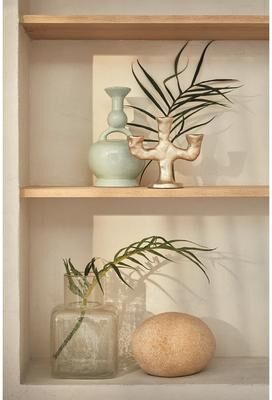
Similar search terms for Dragonfly-Vase---Ballard
Top-Angebote
Products related to Dragonfly-Vase---Ballard:
-
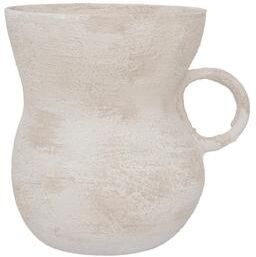
Urban Nature Culture Vase RelaxedQuiet elegancy comes to life in Urban Nature Culture's vase Relaxed. Handmade in Portugal, this ceramic vase has a shape beyond anything you've seen - it's organic, it flows and steals your heart with its playful ear.123,40 $*Shipping: 0,00 $Secure redirect to the provider
-
Urban Nature Culture Vase Talvi - WhiteFloating the sea waves, a sense of calm takes over, feeling at home in the world. That same feeling we get at home, like a safe haven to relax our senses and feast our eyes on our most cherished things.267,80 $*Shipping: 0,00 $Secure redirect to the provider
-
Urban Nature Culture Vase Ace - AceSetting forth a tradition that is centuries old, pottery has ever been one of Portugal's trades. Urban Nature Culture loves to work with Portuguese artisans - who use their skills to combine modern looks and contemporary design with techniques of old.145,60 $*Shipping: 0,00 $Secure redirect to the provider



-
Which dragonfly is this?
Based on the description provided, the dragonfly in question is likely a Blue Dasher (Pachydiplax longipennis). This species is known for its vibrant blue and green coloring, as well as its characteristic perching behavior. Blue Dashers are commonly found near bodies of water such as ponds, lakes, and marshes, where they hunt for small insects. Their distinctive appearance and behavior make them a recognizable and popular species among dragonfly enthusiasts. **
-
Do tadpoles eat dragonfly larvae?
Yes, tadpoles do eat dragonfly larvae. Tadpoles are herbivorous and feed on algae, plants, and small invertebrates, including dragonfly larvae. This is a natural part of their diet as they grow and develop into adult frogs. Dragonfly larvae are a good source of protein for tadpoles and help them to grow and thrive in their aquatic environment. **
-
'Vase or glass?'
It depends on the context and purpose. A vase is typically used for holding flowers or decorative branches, while a glass is used for drinking liquids. If the question is about which one to use for a specific purpose, then the answer would depend on whether the intention is to display flowers or to serve a beverage. Both have their own unique functions and can be chosen based on the specific need at hand. **
-
How can one save a dragonfly?
To save a dragonfly, one can start by creating a safe environment for them by providing a clean water source and planting native vegetation in their habitat. It is important to avoid using pesticides or chemicals that can harm dragonflies and other beneficial insects. If you find a dragonfly in distress, you can gently place them on a flat surface in a sunny spot to warm up their wings before they can fly away. Additionally, educating others about the importance of dragonflies in the ecosystem can help raise awareness and promote conservation efforts. **
How do you preserve a dragonfly?
To preserve a dragonfly, you can start by carefully catching it without causing any damage to its delicate wings. Once caught, you can gently place the dragonfly in a container with a lid to prevent it from escaping. To preserve it for display, you can carefully pin the dragonfly onto a board or place it in a specialized preserving solution. It's important to handle the dragonfly with care to avoid damaging its fragile body. **
What are dragonfly wings made of?
Dragonfly wings are made of a thin, transparent membrane called the wing blade, which is supported by a network of veins. The wing blade is made of chitin, a tough and lightweight material that is also found in the exoskeletons of insects. This structure allows dragonflies to have strong and flexible wings, which are essential for their agile flight and hunting abilities. **
Top-Angebote
Products related to Dragonfly-Vase---Ballard:
-
Urban Nature Culture Vase RelaxedQuiet elegancy comes to life in Urban Nature Culture's vase Relaxed. Handmade in Portugal, this ceramic vase has a shape beyond anything you've seen - it's organic, it flows and steals your heart with its playful ear.123,40 $*Shipping: 0,00 $Secure redirect to the provider
-
Why is the dragonfly called "dragonfly" in English?
The name "dragonfly" in English is believed to have originated from the insect's appearance and behavior. The dragonfly's large, powerful wings and agile flight are reminiscent of the mythical dragon, while its long, slender body and fierce hunting abilities also contribute to the association with the legendary creature. Additionally, the name may have been influenced by the Old English word "drake," which means dragon, and "fly," referring to its ability to fly swiftly. Overall, the name "dragonfly" captures the insect's impressive and mythical qualities. **
-
Is this dragonfly rare?
Yes, the dragonfly in the image appears to be rare. Its vibrant colors and unique wing patterns suggest that it may belong to a rare or uncommon species. Additionally, the intricate details on its body and wings further indicate that it is not a common dragonfly variety. Overall, the rarity of this dragonfly can be inferred from its distinct appearance compared to more common dragonfly species. **
-
Which dragonfly is this?
Based on the description provided, the dragonfly in question is likely a Blue Dasher (Pachydiplax longipennis). This species is known for its vibrant blue and green coloring, as well as its characteristic perching behavior. Blue Dashers are commonly found near bodies of water such as ponds, lakes, and marshes, where they hunt for small insects. Their distinctive appearance and behavior make them a recognizable and popular species among dragonfly enthusiasts. **
-
Do tadpoles eat dragonfly larvae?
Yes, tadpoles do eat dragonfly larvae. Tadpoles are herbivorous and feed on algae, plants, and small invertebrates, including dragonfly larvae. This is a natural part of their diet as they grow and develop into adult frogs. Dragonfly larvae are a good source of protein for tadpoles and help them to grow and thrive in their aquatic environment. **
Similar search terms for Dragonfly-Vase---Ballard
-
Urban Nature Culture Vase Talvi - WhiteFloating the sea waves, a sense of calm takes over, feeling at home in the world. That same feeling we get at home, like a safe haven to relax our senses and feast our eyes on our most cherished things.267,80 $*Shipping: 0,00 $Secure redirect to the provider
-
Urban Nature Culture Vase Ace - AceSetting forth a tradition that is centuries old, pottery has ever been one of Portugal's trades. Urban Nature Culture loves to work with Portuguese artisans - who use their skills to combine modern looks and contemporary design with techniques of old.145,60 $*Shipping: 0,00 $Secure redirect to the provider
-
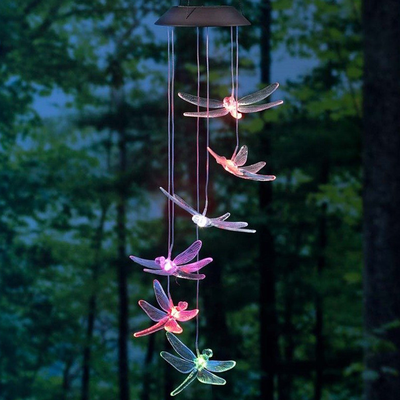
HomeDecorAndMore LLC Solar Dragonfly Wind Chime Solar Dragonfly Wind ChimeWhy would you have a dragonfly solar light in your homeIsn’t it an insect Yes, it is.Isn’t it hideouslooking Sure. But the pros They symbolize adaptability and change. They teach us to rejoice even when surrounded by difficulties in life. They grant...24,97 $*Shipping: 0,00 $Secure redirect to the provider
-
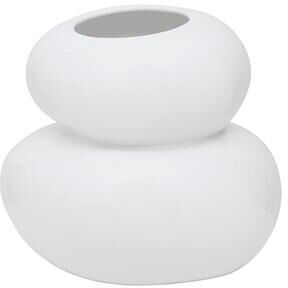
Urban Nature Culture Vase Pebbles White - White"""We can choose to throw stones, to stumble on them, to climb over them or to build with them."" William Arthur Ward Urban Nature Culture chooses to build with stones, and create a one-of-a-kind vase with a playful character."95,70 $*Shipping: 0,00 $Secure redirect to the provider
-
'Vase or glass?'
It depends on the context and purpose. A vase is typically used for holding flowers or decorative branches, while a glass is used for drinking liquids. If the question is about which one to use for a specific purpose, then the answer would depend on whether the intention is to display flowers or to serve a beverage. Both have their own unique functions and can be chosen based on the specific need at hand. **
-
How can one save a dragonfly?
To save a dragonfly, one can start by creating a safe environment for them by providing a clean water source and planting native vegetation in their habitat. It is important to avoid using pesticides or chemicals that can harm dragonflies and other beneficial insects. If you find a dragonfly in distress, you can gently place them on a flat surface in a sunny spot to warm up their wings before they can fly away. Additionally, educating others about the importance of dragonflies in the ecosystem can help raise awareness and promote conservation efforts. **
-
How do you preserve a dragonfly?
To preserve a dragonfly, you can start by carefully catching it without causing any damage to its delicate wings. Once caught, you can gently place the dragonfly in a container with a lid to prevent it from escaping. To preserve it for display, you can carefully pin the dragonfly onto a board or place it in a specialized preserving solution. It's important to handle the dragonfly with care to avoid damaging its fragile body. **
-
What are dragonfly wings made of?
Dragonfly wings are made of a thin, transparent membrane called the wing blade, which is supported by a network of veins. The wing blade is made of chitin, a tough and lightweight material that is also found in the exoskeletons of insects. This structure allows dragonflies to have strong and flexible wings, which are essential for their agile flight and hunting abilities. **
* All prices are inclusive of VAT and, if applicable, plus shipping costs. The offer information is based on the details provided by the respective shop and is updated through automated processes. Real-time updates do not occur, so deviations can occur in individual cases. ** Note: Parts of this content were created by AI.