Buy greatpoland.eu ?
We are moving the project
greatpoland.eu .
Are you interested in purchasing the domain
greatpoland.eu ?
domain@kv-gmbh.de · 0541-91531010
Buy greatpoland.eu ?
What does X-Mas mean?
X-Mas is a common abbreviation for Christmas, which is a Christian holiday that celebrates the birth of Jesus Christ. It is typically observed on December 25th each year. X-Mas is a time for families and friends to come together, exchange gifts, and celebrate the holiday season. It is also a time for reflection, gratitude, and spreading joy and goodwill to others. **
What does "mas" mean in Japanese?
In Japanese, "mas" is a suffix added to verbs to make them more polite. It is used in formal situations or when speaking to someone of higher status. Adding "mas" changes the verb from its plain form to its polite form. For example, the verb "taberu" (to eat) becomes "tabemasu" (to eat - polite form) when "mas" is added. **


Similar search terms for Cornus-Mas-Tropfltalhof
Top-Angebote
Products related to Cornus-Mas-Tropfltalhof:
-
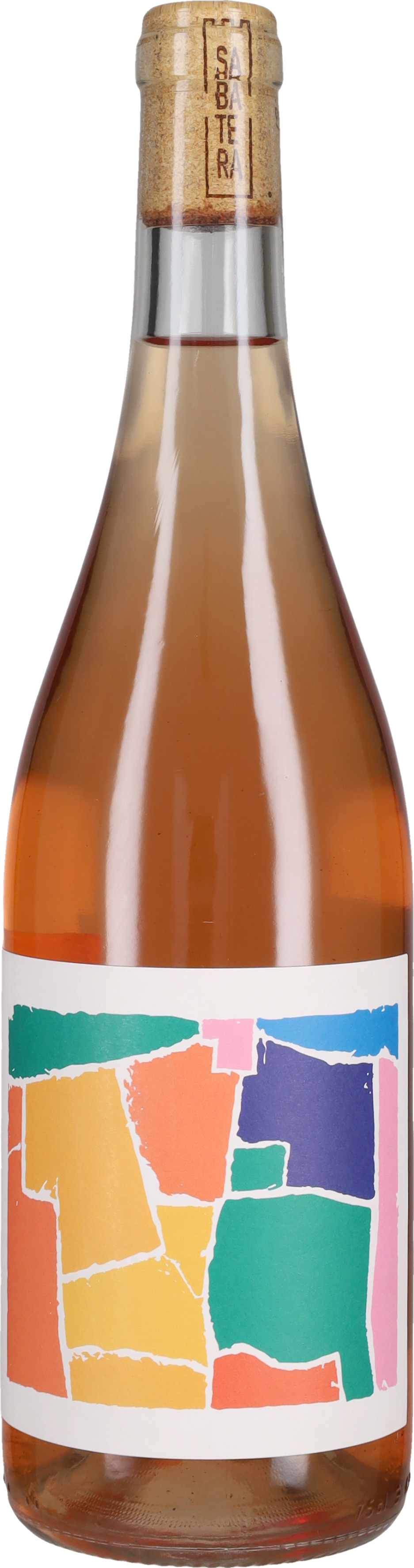
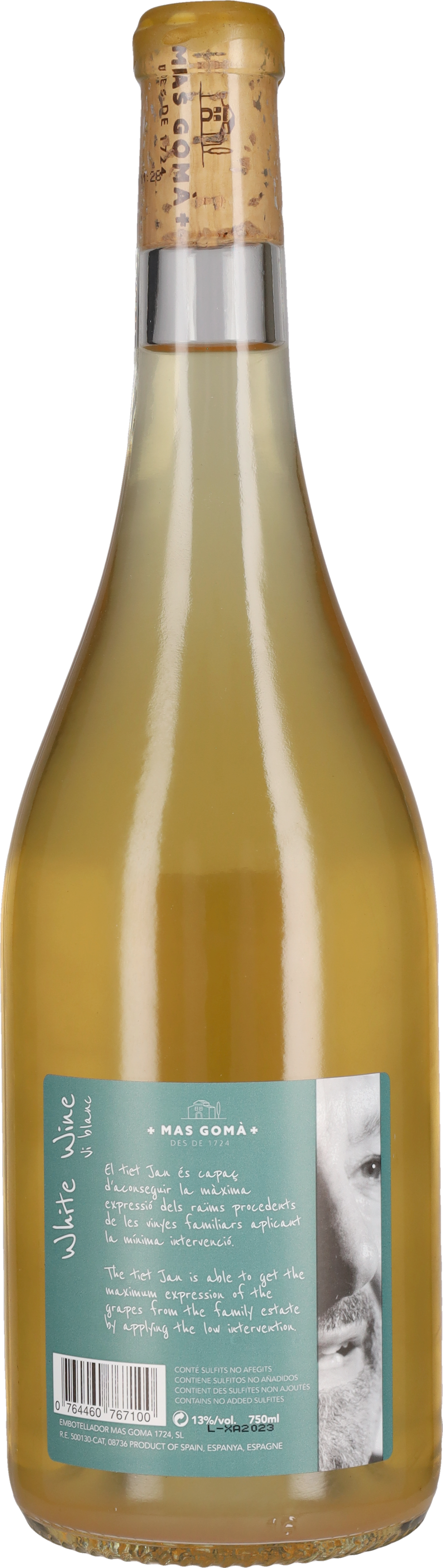
'Tiet Jan' Mas GomàMas Gomà dedicates "Tiet Jan" to the protagonist of the turnaround that the winery has been making since the early 2000s: Uncle Jan, or Joan Manel Vendrell, who took over operations in 2009 and, on the strength of his 30 years of experience as a winemaker, has directed vineyard management towards enhancing the value of the oldest vines, while in the cellar he pursues vinification based on long or very long ageing on the lees. Agronomic practices conducted without using chemicals are reflected in cellar operations that avoid invasive manipulation. "Tiet Jan" from the Mas Gomà winery is made from what is a true family treasure: pure Xarel.lo grapes from the old vines that have reached 70 years of age, cultivated according to the strict principles of biodynamic agriculture on soils characterised by a clay and limestone matrix. The reference territory is that of the village of Les Cabanyes, in the heart of the Penedes, the area in the immediate hinterland to the west of Barcelona, in the region of Catalonia: the vineyard spreads out on the slopes facing the Mediterranean coast, at an altitude of around 200 metres above sea level. In a hot, dry climate, mitigated by sea breezes that bring a certain degree of humidity and advantageous temperature ranges, the harvest is carried out by hand, with bunch-by-bunch selection and collection in small crates. Cellar operations are as simple as they are precise: the grapes are gently pressed, and the indigenous yeasts initiate spontaneous fermentation in steel vats with no temperature control; the wine is then left to rest for 6 months with periodic manual racking and, at the end of this cleaning, it is bottled without filtering, stabilisation or clarification. "Tiet Jan", made by Mas Gomà, presents an intense straw-yellow colour with a slightly veiled appearance. The nose immediately intercepts clear territorial characteristics: the mineral sensation is linked to notes of Mediterranean vegetation, from the herbaceous scrub to the resinous of maritime pines, with hints of balsamic rosemary, chamomile and refreshing fennel. The taste immediately reveals a clear saline impact and is very fresh and flowing, with a justly persistent finish. A very drinkable white wine that can tastefully accompany salted anchovies or grilled vegetables and white meats.20,00 £*Shipping: 48,00 £Secure redirect to the provider
-
'Così Joan' Mas GomàMas Gomà's 'So Joan' is an Orange Wine with intense, complex aromas and good structure, made with the intention of giving voice to an ancient winemaking process, which takes the form of using terracotta containers for ageing. It is a pure version of Xarel-lo that blends the fruity freshness typical of the grape with tertiary evolutionary notes due to both the contact with the skins and the long period of maturation sur lies, which contributes to enriching the bouquet with structure and evolved aromatic facets. It is an atypical white to be enjoyed with noble poultry, roast white meats, or a board of semi-matured cheeses. Mas Gomà's 'So Joan' wine comes from a 22-hectare estate, which is managed with the utmost care and respect for the environment, following the principles of organic farming and biodynamic practices. Xarel-lo's grapes come from an estate vineyard over 70 years old, yielding few bunches per plant but excellent quality and aromatic concentration. The vines are deeply rooted in clayey soils that retain water deep down, avoiding water stress even in the driest periods. The area's climate is warm and Mediterranean, always well-ventilated, thanks to the presence of sea breezes. Harvesting is done by hand, and the grapes are scrupulously checked, berry by berry, before vinification. Fermentation takes place spontaneously, with a three-week maceration on the skins. The wine is refined on fine lees in terracotta doliums for a period of six months and for a further six months in the bottle before release. The 'Così Joan' macerated white wine from the Mas Gomà winery is a wine with a strong personality, which, through maceration on the skins, succeeds in proposing the aromatic integrity of the grapes and the character of a great terroir. To the eye, it has a beautiful amber colour, with luminous orange reflections and a slight veiling. The olfactory picture is intriguing and complex, with intense aromas of bitter orange peel, grapefruit, aromas of yellow-fleshed fruit, medlar, and peach, hints of aromatic herbs of the Mediterranean maquis and delicately spicy nuances. Ample and well structured, it presents dense and rich fruity aromas, crossed by saline sensations, leading to a fresh finish with slight tannic roughness.27,00 £*Shipping: 48,00 £Secure redirect to the provider
-
'In Amphora' Mas Lumen 2020Mas Lumen's red wine 'In Amphora' is an artisanal bottle with an interesting free-range personality, partly due to maturation in terracotta amphorae. Unlike wooden barrels, amphorae do not release any aroma or tannin to the wine, preserving the varietal and territorial expression intact. However, similar to wood, the porosity of these wine containers brings a more or less significant micro-oxygenation depending on the size of the amphora, which in turn favours a more rapid evolution of the wine when compared to that due to the use of inert containers such as steel. Amphora processes are not recent fashions as these earthenware vessels have been used since antiquity. Mas Lumen 'In Amphora' originates from a blend of Syrah (38%), Carignan (37%) and Grenache Noir (25%), varieties grown according to organic farming principles on soils rich in schist, basalt and sandstone. The Syrah vines are around 30 years old, the Carignan vines are 50 years old, and the Grenache Noir is between 15 and 35 years old. In the cellar, the grapes are vinified in red with spontaneous alcoholic fermentation in contact with the skins, and the subsequent maturation phase takes place in 500-litre terracotta amphorae for several months. The wine is finally bottled without adding sulphites and is ready for release after a further short resting period. The Vin Rouge 'In Amphora' from the Mas Lumen winery presents a pure ruby red colour. Intense hints of wild herbs, field violets and berries describe the olfactory range, combined with notes of liquorice and rustic, earthy sensations. In the mouth, it is surprisingly fresh, taut and vibrant, with a soft body and delicate tannins guiding the fruity finish.26,00 £*Shipping: 48,00 £Secure redirect to the provider


-
Why is Christmas also called X-Mas?
Christmas is also called X-Mas because the "X" in X-Mas is actually the Greek letter "Chi," which is the first letter of the Greek word for Christ. In this context, the "X" is a symbol for Christ, so X-Mas is essentially a shorthand way of writing "Christmas." It is a common abbreviation used in written and spoken language to refer to the holiday. **
-
What is an X-Mas egg and what is it worth?
An X-Mas egg is a limited-time egg in the popular online game Roblox Adopt Me. It was available during the Christmas event and contained exclusive holiday-themed pets. The worth of an X-Mas egg can vary depending on the demand for the pets it contains, but generally, it is considered to be a valuable and sought-after item in the game. Players often trade rare items or pets in exchange for an X-Mas egg. **
-
What traditions, customs, and festivals are there in Hungary?
Hungary has a rich cultural heritage with many traditions, customs, and festivals. One of the most well-known traditions is the celebration of Easter, which includes painting eggs and the custom of sprinkling water on women as a sign of fertility. Another important festival is the Budapest Spring Festival, which features a wide range of cultural events including music, dance, and theater performances. The Hungarian National Day, celebrated on August 20th, is also a significant event, with fireworks, concerts, and other festivities taking place across the country. Additionally, traditional Hungarian folk music and dance are an integral part of the country's cultural identity, with many festivals and events dedicated to showcasing these art forms. **
-
What are the traditions and culture in Kosovo?
Kosovo has a rich cultural heritage influenced by its history and diverse population. The traditions in Kosovo are deeply rooted in its Albanian, Serbian, and Turkish heritage, and include music, dance, and cuisine. The country also has a strong tradition of storytelling, poetry, and folk art. Additionally, Kosovo is known for its religious diversity, with a mix of Muslim, Orthodox Christian, and Catholic influences contributing to its cultural landscape. Overall, the traditions and culture in Kosovo reflect the country's complex history and the resilience of its people. **

Are there any special festivals and traditions in Schleswig-Holstein?
Yes, Schleswig-Holstein has several special festivals and traditions. One of the most famous is the Kiel Week, which is the largest sailing event in the world and includes a variety of cultural and entertainment activities. Another popular tradition is the Schleswig-Holstein Music Festival, which features classical music performances in various locations throughout the region. Additionally, there are traditional events like the Husum Harbour Days and the Wacken Open Air heavy metal music festival that attract visitors from all over the world. **
What traditions and customs are there in Turkish culture?
Turkish culture is rich in traditions and customs that have been passed down through generations. One important tradition is the Turkish tea culture, where people gather to socialize and enjoy strong, black tea served in small glasses. Another tradition is the Turkish bath, or hamam, which is a communal bathing experience that has been a part of Turkish culture for centuries. Additionally, Turkish cuisine is known for its diverse flavors and use of fresh ingredients, and sharing meals with family and friends is an important custom in Turkish culture. Finally, hospitality is a key aspect of Turkish culture, with guests being treated with great respect and generosity. **
Top-Angebote
Products related to Cornus-Mas-Tropfltalhof:
-
'Garnellen' Tropfltalhof 2020Tröpfltalhof's White "Garnellen" comes from the skilled hands of Andres Dichristin, a wine artisan who works 3 hectares of his land entirely planted with vines near Lake Kaltern, a place with a vocation for producing wine with authentic and traditional flavours. Andreas can be considered a vanguardist since he was among the first brave ones to adopt some 20 years ago the principles of biodynamic agriculture when it was still unknown. His work revolves entirely around respect for nature: only by observing the natural phases of plant growth and development can we understand the ideal harmonious balance for wines of sublime quality. Furthermore, his activity can be defined as closed-cycle since it also includes raising and grazing animals and cultivating spelt and corn. The grapes of Tröpfltalhof's White "Garnellen" grow on vines of different ages, ranging from 18 to 32 years. The vineyard is located at about 500 meters above sea level, and the soil is mainly composed of skeleton mixed with volcanic porphyry and limestone for a final product with a structured character; the surrounding ecosystem is also particular, thriving and dense thanks to the biodynamic work carried out, a condition that benefits the clusters, giving aromatic intensity. The grapes are harvested manually in late autumn when the berries have reached a golden yellow colour and full flavour; in the cellar, the must ferments spontaneously in terracotta amphorae. The skins and wine are separated in the spring following the harvest; the latter returns to the amphora on the noble lees for several months. To the eye, Tröpfltalhof's "Garnellen" appears deep golden yellow. The bouquet of aromas is broad and reminiscent of passion fruit, citrus and ripe yellow-fleshed fruit with important spicy notes of ginger, white pepper, citrus (grapefruit above all) and herbs. On the palate, it is full-bodied, enveloping and juicy with long final persistence that draws the drinker in, thanks in part to the final freshness and savoriness that give balance to the overall structure. It is recommended to pair it with rich fish soups, stewed white meats and cured meats; also interesting with seasonal vegetable dishes and spicy foods. A product to share with lifelong friends, enjoying in the glass a wine that is the result of careful work that respects nature and the gifts it offers every day.84,00 £*Shipping: 48,00 £Secure redirect to the provider
-
Herboplanet Msa Cornus Sanguinea Buds 50 mlNutrition and Supplements Natural Extracts Herboplanet Msa Cornus Sanguinea Buds 50 ml Food supplement based on plant extracts that contributes to normal blood circulation. Instructions for use: Take 25-40 drops in a little water, 3 times a day.10,67 £*Shipping: 3,99 £Secure redirect to the provider
-
'Tiet Jan' Mas GomàMas Gomà dedicates "Tiet Jan" to the protagonist of the turnaround that the winery has been making since the early 2000s: Uncle Jan, or Joan Manel Vendrell, who took over operations in 2009 and, on the strength of his 30 years of experience as a winemaker, has directed vineyard management towards enhancing the value of the oldest vines, while in the cellar he pursues vinification based on long or very long ageing on the lees. Agronomic practices conducted without using chemicals are reflected in cellar operations that avoid invasive manipulation. "Tiet Jan" from the Mas Gomà winery is made from what is a true family treasure: pure Xarel.lo grapes from the old vines that have reached 70 years of age, cultivated according to the strict principles of biodynamic agriculture on soils characterised by a clay and limestone matrix. The reference territory is that of the village of Les Cabanyes, in the heart of the Penedes, the area in the immediate hinterland to the west of Barcelona, in the region of Catalonia: the vineyard spreads out on the slopes facing the Mediterranean coast, at an altitude of around 200 metres above sea level. In a hot, dry climate, mitigated by sea breezes that bring a certain degree of humidity and advantageous temperature ranges, the harvest is carried out by hand, with bunch-by-bunch selection and collection in small crates. Cellar operations are as simple as they are precise: the grapes are gently pressed, and the indigenous yeasts initiate spontaneous fermentation in steel vats with no temperature control; the wine is then left to rest for 6 months with periodic manual racking and, at the end of this cleaning, it is bottled without filtering, stabilisation or clarification. "Tiet Jan", made by Mas Gomà, presents an intense straw-yellow colour with a slightly veiled appearance. The nose immediately intercepts clear territorial characteristics: the mineral sensation is linked to notes of Mediterranean vegetation, from the herbaceous scrub to the resinous of maritime pines, with hints of balsamic rosemary, chamomile and refreshing fennel. The taste immediately reveals a clear saline impact and is very fresh and flowing, with a justly persistent finish. A very drinkable white wine that can tastefully accompany salted anchovies or grilled vegetables and white meats.20,00 £*Shipping: 48,00 £Secure redirect to the provider
-
What does X-Mas mean?
X-Mas is a common abbreviation for Christmas, which is a Christian holiday that celebrates the birth of Jesus Christ. It is typically observed on December 25th each year. X-Mas is a time for families and friends to come together, exchange gifts, and celebrate the holiday season. It is also a time for reflection, gratitude, and spreading joy and goodwill to others. **
-
What does "mas" mean in Japanese?
In Japanese, "mas" is a suffix added to verbs to make them more polite. It is used in formal situations or when speaking to someone of higher status. Adding "mas" changes the verb from its plain form to its polite form. For example, the verb "taberu" (to eat) becomes "tabemasu" (to eat - polite form) when "mas" is added. **
-
Why is Christmas also called X-Mas?
Christmas is also called X-Mas because the "X" in X-Mas is actually the Greek letter "Chi," which is the first letter of the Greek word for Christ. In this context, the "X" is a symbol for Christ, so X-Mas is essentially a shorthand way of writing "Christmas." It is a common abbreviation used in written and spoken language to refer to the holiday. **
-
What is an X-Mas egg and what is it worth?
An X-Mas egg is a limited-time egg in the popular online game Roblox Adopt Me. It was available during the Christmas event and contained exclusive holiday-themed pets. The worth of an X-Mas egg can vary depending on the demand for the pets it contains, but generally, it is considered to be a valuable and sought-after item in the game. Players often trade rare items or pets in exchange for an X-Mas egg. **
Similar search terms for Cornus-Mas-Tropfltalhof
-
'Così Joan' Mas GomàMas Gomà's 'So Joan' is an Orange Wine with intense, complex aromas and good structure, made with the intention of giving voice to an ancient winemaking process, which takes the form of using terracotta containers for ageing. It is a pure version of Xarel-lo that blends the fruity freshness typical of the grape with tertiary evolutionary notes due to both the contact with the skins and the long period of maturation sur lies, which contributes to enriching the bouquet with structure and evolved aromatic facets. It is an atypical white to be enjoyed with noble poultry, roast white meats, or a board of semi-matured cheeses. Mas Gomà's 'So Joan' wine comes from a 22-hectare estate, which is managed with the utmost care and respect for the environment, following the principles of organic farming and biodynamic practices. Xarel-lo's grapes come from an estate vineyard over 70 years old, yielding few bunches per plant but excellent quality and aromatic concentration. The vines are deeply rooted in clayey soils that retain water deep down, avoiding water stress even in the driest periods. The area's climate is warm and Mediterranean, always well-ventilated, thanks to the presence of sea breezes. Harvesting is done by hand, and the grapes are scrupulously checked, berry by berry, before vinification. Fermentation takes place spontaneously, with a three-week maceration on the skins. The wine is refined on fine lees in terracotta doliums for a period of six months and for a further six months in the bottle before release. The 'Così Joan' macerated white wine from the Mas Gomà winery is a wine with a strong personality, which, through maceration on the skins, succeeds in proposing the aromatic integrity of the grapes and the character of a great terroir. To the eye, it has a beautiful amber colour, with luminous orange reflections and a slight veiling. The olfactory picture is intriguing and complex, with intense aromas of bitter orange peel, grapefruit, aromas of yellow-fleshed fruit, medlar, and peach, hints of aromatic herbs of the Mediterranean maquis and delicately spicy nuances. Ample and well structured, it presents dense and rich fruity aromas, crossed by saline sensations, leading to a fresh finish with slight tannic roughness.27,00 £*Shipping: 48,00 £Secure redirect to the provider
-
'In Amphora' Mas Lumen 2020Mas Lumen's red wine 'In Amphora' is an artisanal bottle with an interesting free-range personality, partly due to maturation in terracotta amphorae. Unlike wooden barrels, amphorae do not release any aroma or tannin to the wine, preserving the varietal and territorial expression intact. However, similar to wood, the porosity of these wine containers brings a more or less significant micro-oxygenation depending on the size of the amphora, which in turn favours a more rapid evolution of the wine when compared to that due to the use of inert containers such as steel. Amphora processes are not recent fashions as these earthenware vessels have been used since antiquity. Mas Lumen 'In Amphora' originates from a blend of Syrah (38%), Carignan (37%) and Grenache Noir (25%), varieties grown according to organic farming principles on soils rich in schist, basalt and sandstone. The Syrah vines are around 30 years old, the Carignan vines are 50 years old, and the Grenache Noir is between 15 and 35 years old. In the cellar, the grapes are vinified in red with spontaneous alcoholic fermentation in contact with the skins, and the subsequent maturation phase takes place in 500-litre terracotta amphorae for several months. The wine is finally bottled without adding sulphites and is ready for release after a further short resting period. The Vin Rouge 'In Amphora' from the Mas Lumen winery presents a pure ruby red colour. Intense hints of wild herbs, field violets and berries describe the olfactory range, combined with notes of liquorice and rustic, earthy sensations. In the mouth, it is surprisingly fresh, taut and vibrant, with a soft body and delicate tannins guiding the fruity finish.26,00 £*Shipping: 48,00 £Secure redirect to the provider
-
Spumante Brut Nature 'L'Arc' Mas Gomà"Mas Gomà's 'L'Arc' represents the expressive vertex of this winery's sparkling wines, with all the characteristics to aspire to be considered an excellent Brut Nature: made only in absolutely favourable vintages, with grapes from old vines and a particularly long rest on the lees. A sparkling wine that is considered the masterpiece of the Vendrell family, now in its fifth generation of winemakers with Joan, who works side by side with his father, Joan Manel. Mas Gomà creates its Metodo Classico 'L'Arc' as an authentic interpretation of the fruit of the estate's oldest vineyards: 70-year-old Xarel.lo vines from the village of Les Cabanyes are cultivated according to biodynamic principles on soils with a characteristic clay-limestone matrix. The Penedes is the world-renowned sparkling wine region of Catalonia, in the immediate hinterland to the west of Barcelona: the slopes at an altitude of around 200 metres above sea level run parallel to the Mediterranean coast, from which they receive the beneficial influences of sea breezes and interesting temperature fluctuations. Harvesting is done manually, with bunch-by-bunch sorting and picking into small crates. Alcoholic fermentation is spontaneous, conducted by indigenous yeasts, as is malolactic fermentation. After mousse in the bottle, the sparkling wine rests on its lees for over 80 months until degorgement and topping up without dosage: all operations are carried out by hand, avoiding filtration, clarification or stabilisation. The sparkling wine "L'Arc" made by Mas Gomà has a luminous straw yellow colour and an appearance enhanced by the very fine and persistent effervescence. The nose is greeted by aromas of an exceptional delicacy and complexity at once, in which the toasted notes of toffee and ripe fruity notes of white pulp come together. Refreshing spicy and vegetal touches come forward and recall anise and wild fennel, while time and temperature pave the way for smoky and pastry nuances, such as brioche and lemon cream. The sip is interwoven with chalky minerality, vertical and very fresh with enveloping hints of elegant softness and citrus sensations. An example of Brut Nature d'auteur, dedicated to those who want to investigate the potential of the Metodo Classico: the perfect pairing is simply personal curiosity.47,00 £*Shipping: 48,00 £Secure redirect to the provider
-
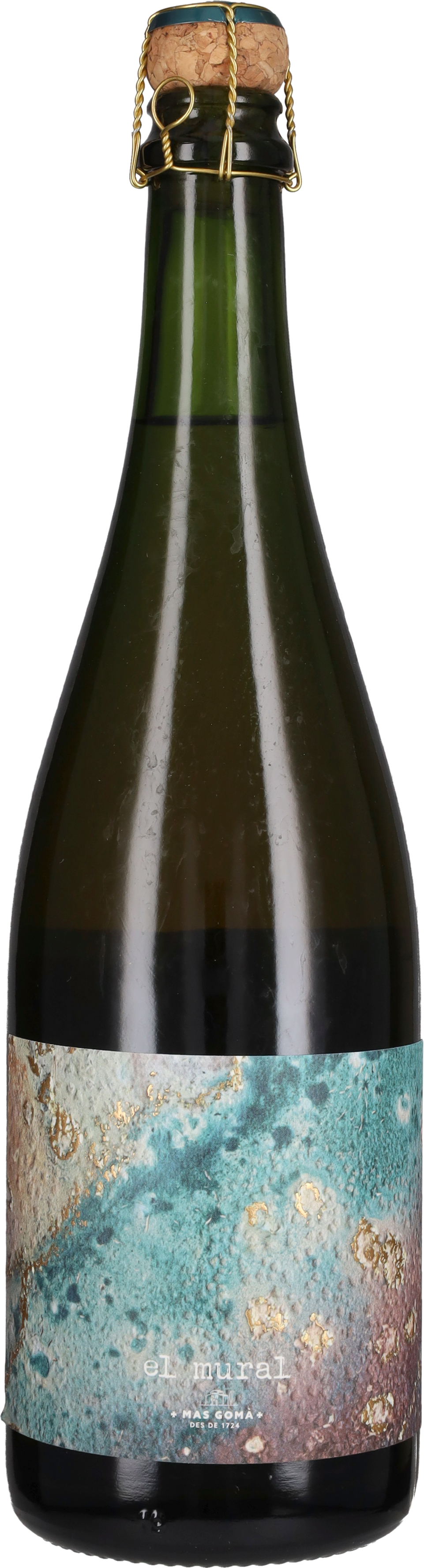
Spumante Brut Nature 'El Mural' Mas GomàThe Brut Nature sparkling wine 'El Mural' from Mas Gomà is produced in the Penedès region near Barcelona, which has always been considered one of the best regions for growing vines. The winery has been run by the Vendrell family since 1918: for generations, the passion and attention to detail have been handed down to produce wines of undisputed quality. Today, Joan Vendrell is in charge of the business, deciding to preserve tradition but with an eye to the future and environmental sustainability. The Xarel-lo grapes in Mas Gomà's Spumante Brut Nature 'El Mural' are cultivated on predominantly limestone soils, a characteristic that gives the wines good structure and great ageing capacity. The vineyards are around 60 years old and are cultivated entirely under a biodynamic system to respect and maintain the ecosystem surrounding the vines intact. Instead of chemical products, herb and nettle decoctions are preferred to support the vegetative balance of the plants and their natural development. Harvesting is conducted manually, and spontaneous fermentation takes place in the cellar thanks to indigenous yeasts; it re-ferments in the bottle according to the dictates of the Metodo Classico and matures around 36 months on the lees in the bottle. The colour of Mas Gomà's "El Mural" Spumante Brut Nature is straw yellow with a fine, persistent perlage; the bouquet of aromas is reminiscent of ripe melon, apple and pear with hints of honey on the finish and on the palate, it has an enveloping creaminess, a good minerality and a final freshness that entices glass after glass. In pairing it, it is perfect with shellfish and mollusc starters, fish tartare and smoked salmon; also interesting with fresh cheeses. A product to keep in one's cellar to share at convivial gatherings with friends or for relaxing romantic aperitifs with a view of the sea, sipping a wine with genuine aromas and flavours that respects nature and the gifts it provides.25,00 £*Shipping: 48,00 £Secure redirect to the provider
-
What traditions, customs, and festivals are there in Hungary?
Hungary has a rich cultural heritage with many traditions, customs, and festivals. One of the most well-known traditions is the celebration of Easter, which includes painting eggs and the custom of sprinkling water on women as a sign of fertility. Another important festival is the Budapest Spring Festival, which features a wide range of cultural events including music, dance, and theater performances. The Hungarian National Day, celebrated on August 20th, is also a significant event, with fireworks, concerts, and other festivities taking place across the country. Additionally, traditional Hungarian folk music and dance are an integral part of the country's cultural identity, with many festivals and events dedicated to showcasing these art forms. **
-
What are the traditions and culture in Kosovo?
Kosovo has a rich cultural heritage influenced by its history and diverse population. The traditions in Kosovo are deeply rooted in its Albanian, Serbian, and Turkish heritage, and include music, dance, and cuisine. The country also has a strong tradition of storytelling, poetry, and folk art. Additionally, Kosovo is known for its religious diversity, with a mix of Muslim, Orthodox Christian, and Catholic influences contributing to its cultural landscape. Overall, the traditions and culture in Kosovo reflect the country's complex history and the resilience of its people. **
-
Are there any special festivals and traditions in Schleswig-Holstein?
Yes, Schleswig-Holstein has several special festivals and traditions. One of the most famous is the Kiel Week, which is the largest sailing event in the world and includes a variety of cultural and entertainment activities. Another popular tradition is the Schleswig-Holstein Music Festival, which features classical music performances in various locations throughout the region. Additionally, there are traditional events like the Husum Harbour Days and the Wacken Open Air heavy metal music festival that attract visitors from all over the world. **
-
What traditions and customs are there in Turkish culture?
Turkish culture is rich in traditions and customs that have been passed down through generations. One important tradition is the Turkish tea culture, where people gather to socialize and enjoy strong, black tea served in small glasses. Another tradition is the Turkish bath, or hamam, which is a communal bathing experience that has been a part of Turkish culture for centuries. Additionally, Turkish cuisine is known for its diverse flavors and use of fresh ingredients, and sharing meals with family and friends is an important custom in Turkish culture. Finally, hospitality is a key aspect of Turkish culture, with guests being treated with great respect and generosity. **
* All prices are inclusive of VAT and, if applicable, plus shipping costs. The offer information is based on the details provided by the respective shop and is updated through automated processes. Real-time updates do not occur, so deviations can occur in individual cases. ** Note: Parts of this content were created by AI.